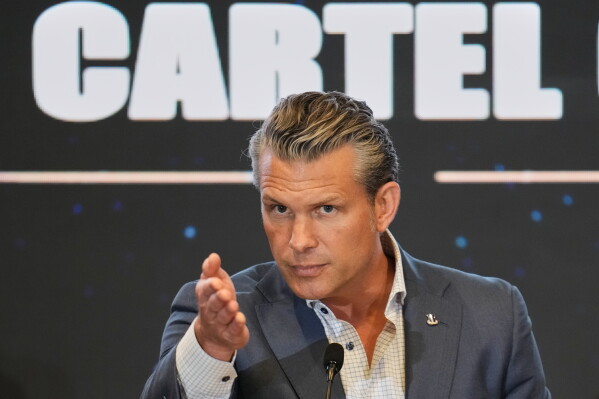
The U.S. military has increased its operations in Latin America, with the Trump administration aiming to expand efforts from targeting drug-trafficking boats to conducting operations on land. Agreements with Colombia, Guatemala, and Honduras are in the works, following Ecuador’s lead earlier this year. However, Guatemala disputes any such arrangement. This plan would mirror earlier strikes on drug boats, according to U.S. Defense Secretary Pete Hegseth, and aims to combat designated terrorist organizations on the ground. Voter support for Trump-aligned leaders in the region has facilitated these agreements.
Hegseth highlighted the involvement of U.S. forces in these operations, mentioning cooperation with Colombia’s new administration under President Abelardo de la Espriella. The discussions raise concerns about national sovereignty and the role of U.S. military presence in addressing criminal activity. Despite existing alliances, countries like Mexico remain reluctant to integrate U.S. military efforts within their borders.
Critics caution that increased U.S. military actions could lead to civilian casualties and might provoke negative public sentiment towards the U.S. Adam Isacson of the Washington Office on Latin America points out the complexity of defining ‘joint operations’ per the varied legal and political landscapes in each country. Questions remain about the effectiveness of military intervention in resolving longstanding security issues.
Additionally, observers express apprehension over the campaign’s potential impact. They fear that aggressive tactics may cause armed groups to adapt quickly, possibly endangering civilians. Despite international pressure and security challenges, nations are wary of losing their sovereignty by accepting heightened foreign military involvement.
Leave a Reply