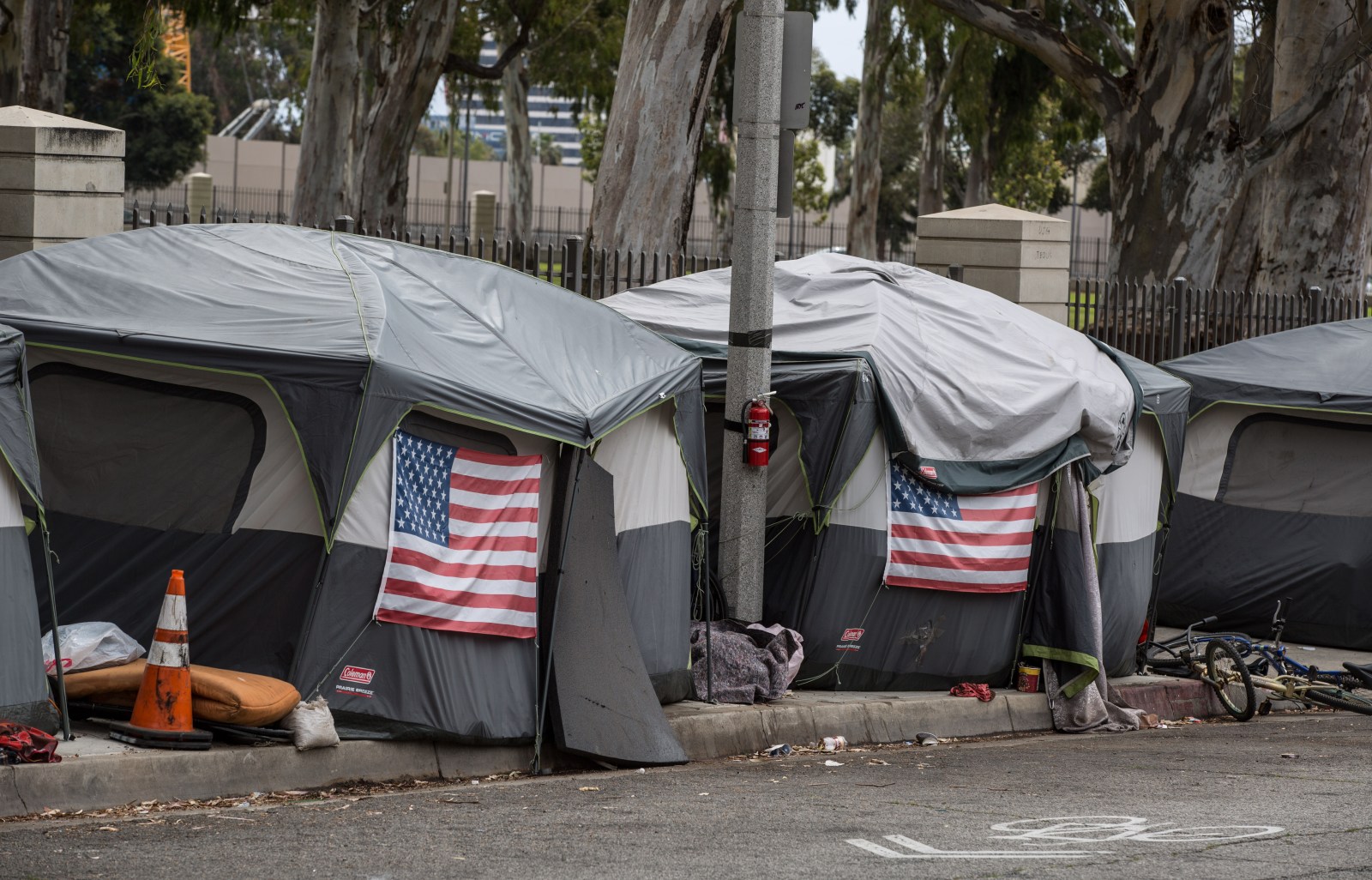
The Department of Veterans Affairs (VA) has announced a $29 million initiative to support veterans experiencing homelessness. This program aims to provide essential items such as food, smartphones, rental assistance, hotel stays, and transportation. Up to $11 million will be allocated for goods and services through VA medical centers, with an additional $18 million dedicated to transportation services.
Program Overview
Authorized under the Senator Elizabeth Dole 21st Century Veterans Healthcare and Benefits Improvement Act, this initiative is designed to help eligible homeless veterans and those participating in a major federal housing support program. VA medical centers are expected to begin offering these services at the start of the fiscal year 2027, starting in October. Transportation contracts are expected to be awarded by September 2026, with services commencing soon after.
“Under President Trump, VA is making amazing progress keeping Veterans off the streets, and this critical program will help us continue these important efforts,” stated VA Secretary Doug Collins in the announcement.
Available Assistance
According to the VA’s plan in the Federal Register, eligible veterans can receive necessities like food, clothing, blankets, and hygiene products for safety and survival. Shelter assistance covers rent and utility payments, including arrears, and also includes security deposits, moving costs, and short-term storage. This assistance is generally capped at 10 months over a two-year period, with exceptions at the discretion of VA clinicians.
Veterans can also receive household items like essential furniture, bedding, cookware, and small appliances. Temporary hotel or motel accommodations are also part of the program, as well as assistance like sleeping bags and tents for those without shelter. Communications support includes smartphones, tablets, and service plans to keep veterans connected with necessary resources.
Transportation support consists of public transit vouchers or rideshare services for medical, mental health appointments, and other essential trips. The program ensures that funds purchase goods and services directly rather than providing cash to veterans. Social workers will assess needs individually to determine the appropriate aid.
Eligibility Criteria
The program targets veterans meeting the federal definition of homelessness. This includes those without a stable nighttime residence or living in shelters. It also covers individuals facing loss of housing or unsafe conditions, especially related to domestic violence.
The second group served includes veterans in the HUD-VASH program, combining HUD rental vouchers with VA supportive services and case management. Local agencies administer housing assistance while VA staff assist veterans in securing housing. HUD-VASH is recognized as the largest federal initiative addressing veteran homelessness.
Trends in Veteran Homelessness
Veteran homelessness has declined significantly in recent years. The latest Point-in-Time Count by the VA showed 32,495 homeless veterans on a single night in January 2025. This represents a 1.2% decrease from January 2024 and a 56.1% reduction since 2010. The count includes veterans in shelters and those in unsuitable living conditions.
In fiscal year 2025, VA reported permanently housing 51,936 veterans, the highest number in seven years.
Challenges in Staffing and Housing
Despite these achievements, challenges remain within the HUD-VASH program. The Government Accountability Office (GAO) report from March noted staffing shortages, with 14-18% of case manager positions unfilled from 2020 to 2024. Annual turnover ranged from 20-26%, impacting program efficiency.
Significant data gaps also exist, with the VA failing to document the reasons why many referrals did not lead to HUD-VASH placements. Housing costs present additional hurdles, as average monthly assistance rose from $706 to $953 between 2020 and 2024. Rising rents and limited supply, coupled with landlord hesitancy, challenge voucher utilization.
GAO recommended better data collection to address unmet needs and enhance program efficiency, which the VA agreed to implement. Newsweek reached out to the department for further comments but did not receive a response at publication time.
Leave a Reply