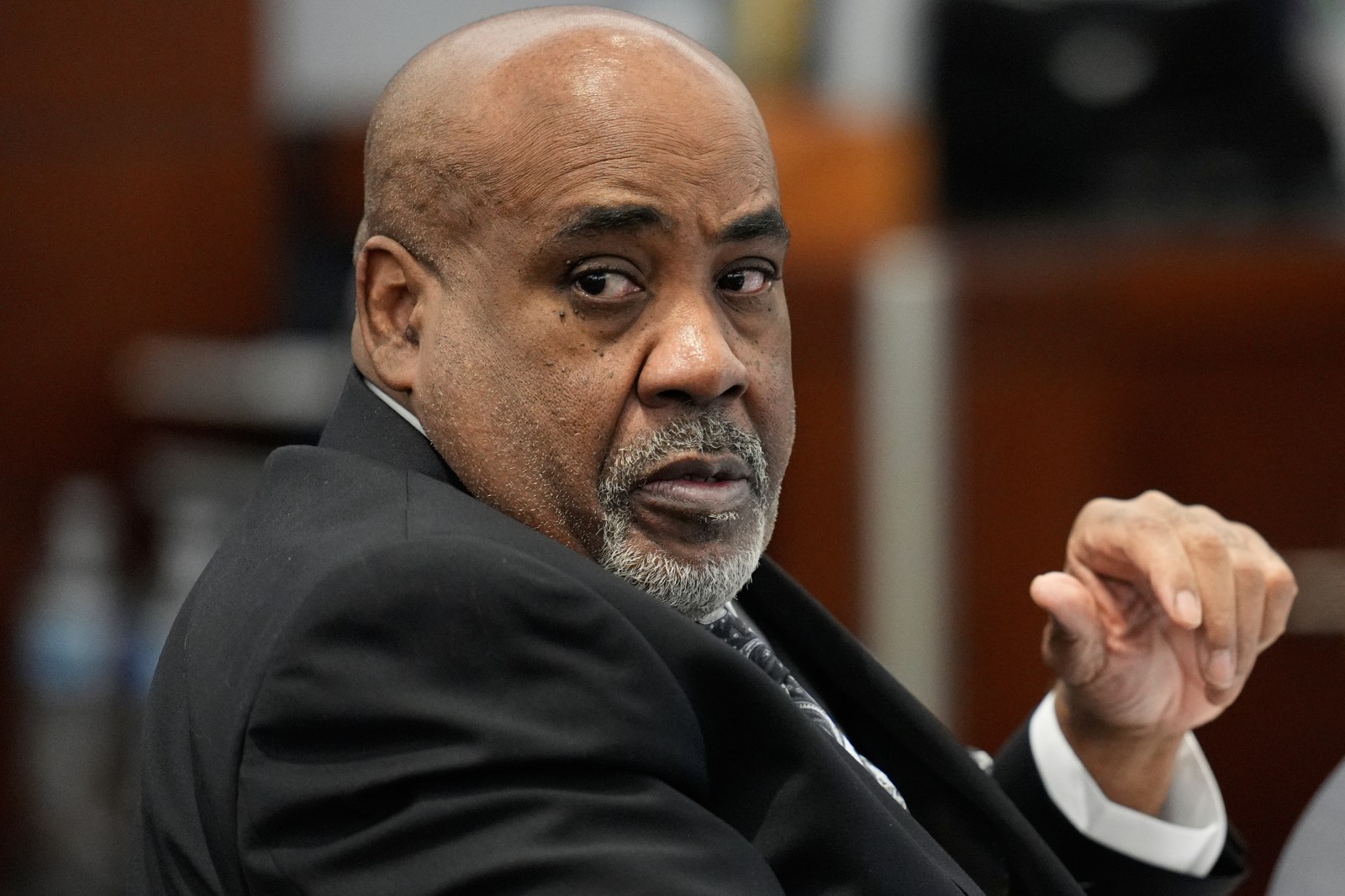
Nearly 30 years following Tupac Shakur’s murder on the Las Vegas Strip, Duane ‘Keffe D’ Davis is on trial, with his memoir, Compton Street Legend, under scrutiny. During opening statements, prosecutors framed the book as a pattern of admissions describing his role in the retaliation against Shakur. Davis’ defense, led by Michael Sanft, argued that the memoir is unreliable and should not be considered as solid evidence.
The Central Question of the Trial
The trial aims to untangle whether Davis’ public statements reflect the true events of September 7, 1996, or are exaggerated narratives. The prosecution leans on Davis’ statements from various sources, including FBI interviews and his 2019 memoir, claiming consistency across years. In contrast, Sanft emphasized separating fact from fiction, noting the lack of corroborating physical evidence.
Prosecution’s Perspective
Prosecutors argue Davis’ memoir mirrors statements he made in private. They highlighted key facts admitted by Davis, including anger over the MGM Grand assault on Orlando Anderson, firearm acquisition, presence in the Cadillac, and the encounter with Shakur’s BMW. This pattern spans numerous interviews and public accounts.
Defense’s View on Fiction
Sanft claims prosecutors treat Davis’ memoir as historical fact, produced decades post-crime, with stories enhancing his reputation. He pointed out that no physical evidence connects Davis to the murder after extensive investigations. Additionally, Sanft criticized reliance on unverified statements, suggesting Davis had motives to embellish since several co-participants had died by the time of the book’s publication.
Debating Corroboration
The defense challenges the corroboration of Davis’ claims, emphasizing the 2008 federal task force interview that allegedly lacked witness validation or forensic evidence. Sanft questioned the delay in murder charges despite supposed confessions, while prosecutors stress the collective record of Davis’ consistent narrative.
Trial Procedure
The trial, held in Las Vegas, is publicly accessible via media outlets and court coverage channels. Testimonies from investigators, former associates of Death Row Records, and gang experts are anticipated as prosecutors and defense attorneys contest the responsibility for Tupac Shakur’s murder.
Context of Motivations
Shakur’s killing is attributed to a confrontation with Orlando Anderson on September 7, 1996, following a Mike Tyson fight. Prosecutors claim Davis organized retaliation over the humiliation of his nephew Anderson. Defense attorneys argue reliance on outdated statements rather than physical evidence.
Tupac’s Murder Details
Tupac was shot on September 7, 1996, in Las Vegas while riding with Marion ‘Suge’ Knight. The shooting happened near Flamingo Road and Koval Lane. After surviving surgeries, Shakur died on September 13, 1996. Davis, charged in 2023, is the sole person criminally charged in Shakur’s death.
The Rivalry with Biggie Smalls
Tensions between Tupac and The Notorious B.I.G., symbolizing the East Coast-West Coast rivalry, escalated following a 1994 attack on Shakur. The dispute, characterized by diss tracks and media attention, intensified the broader conflict between Bad Boy and Death Row Records.
Upcoming Trial Developments
Jurors will hear testimonies from various witnesses, determining if Compton Street Legend is a crucial confession or an embellished memoir. This decision will potentially impact the perception of Davis’ role in the mystery surrounding Tupac Shakur’s death.
Leave a Reply