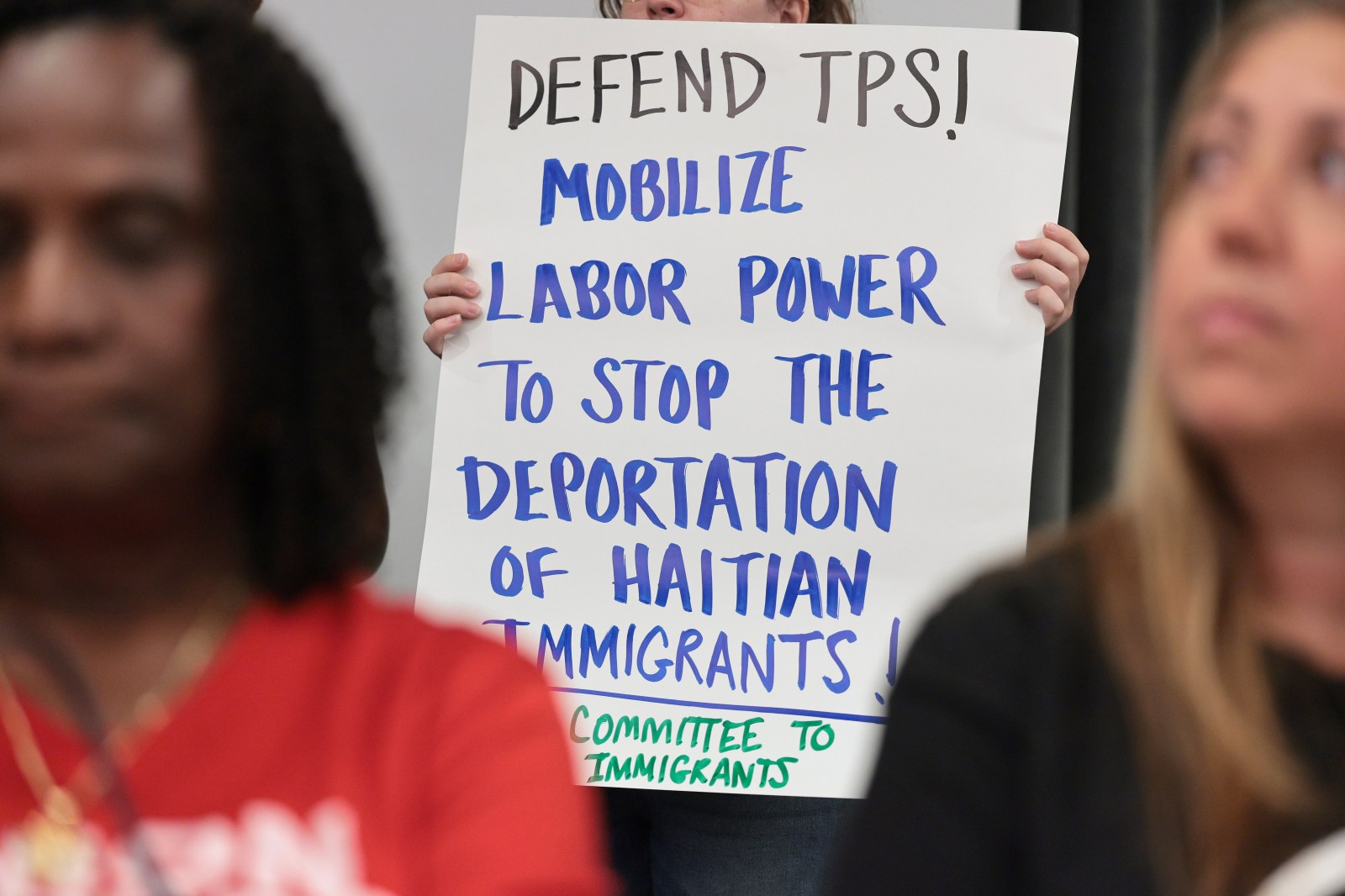
Recent Court Victory and Impacts on Temporary Protected Status
The Trump administration achieved a legal victory concerning Temporary Protected Status (TPS) when Judge Brian Murphy overturned his previous order that had stopped the Department of Homeland Security (DHS) from ending protections for TPS holders from Ethiopia. This ruling impacts 13 countries that were previously covered under TPS, which offers temporary legal status and the ability to work in the U.S. During President Donald Trump’s second term, many countries either saw their TPS status terminated last year or were impacted by a U.S. Supreme Court decision backing DHS’s stance in June.
Status of Ethiopian TPS Holders
Judge Murphy noted that while Ethiopian TPS holders presented significant legal issues, many of these arguments were no longer acceptable due to recent Supreme Court decisions. Consequently, he did not maintain their protections as the case continued. Yet, one critical claim remained, allowing plaintiffs to pursue allegations that the administration’s decision may have been influenced by racial or national-origin bias.
In the ruling, Murphy highlighted another court’s judgment which found it premature to dismiss claims of discriminatory motives, giving challengers the chance to gather evidence during the discovery phase. Diana Konaté of African Communities Together expressed disappointment, emphasizing the ongoing crisis in Ethiopia with millions internally displaced and thousands fleeing.
Trump’s Broader Efforts on TPS
Since Trump’s return to office in January 2025, his administration has pursued the termination of TPS for 13 out of 17 countries initially designated. This affected about 1 million of the 1.3 million TPS holders. Officials, including ex-Homeland Security Secretary Kristi Noem, argued that conditions in affected countries improved enough for migrants to return home, stressing TPS’s temporary nature.
In contrast, immigration advocates argued that many countries face continuous challenges, such as political instability and humanitarian crises. While multiple lawsuits contested TPS terminations, the Supreme Court’s June 2026 decision fortified the administration’s position on revocations.
Current TPS Designations
Only a few countries retain TPS, including Ukraine, Sudan, Lebanon, and El Salvador. Unlike others, these designations are yet to be formally terminated. Lebanon’s status was extended earlier due to ongoing Middle East conflict, marking the only extension by the Trump administration.
However, advocates caution that renewal deadlines may bring renewed review of these statuses, as the administration retains significant authority over TPS qualifications and has generally succeeded in litigation.
Consequences of Losing TPS
Losing TPS affects migrants based on their immigration situation. Some might have alternative protections, like pending asylum cases or family- and employment-based applications. Others may adjust their status through marriage to U.S. citizens or suitable pathways.
However, many TPS holders risk losing work authorization and protection from deportation, leaving them vulnerable to removal proceedings. Although some could obtain assistance, those who have lived in the U.S. for years may find returning home challenging or unsafe.
The legal struggle persists with Judge Murphy allowing plaintiffs’ Equal Protection claim to proceed, aiming to demonstrate discriminatory biases in TPS terminations. His ruling, however, underlines the obstacles in stopping the administration’s broader initiative following supportive Supreme Court decisions.
Leave a Reply