Case Overview
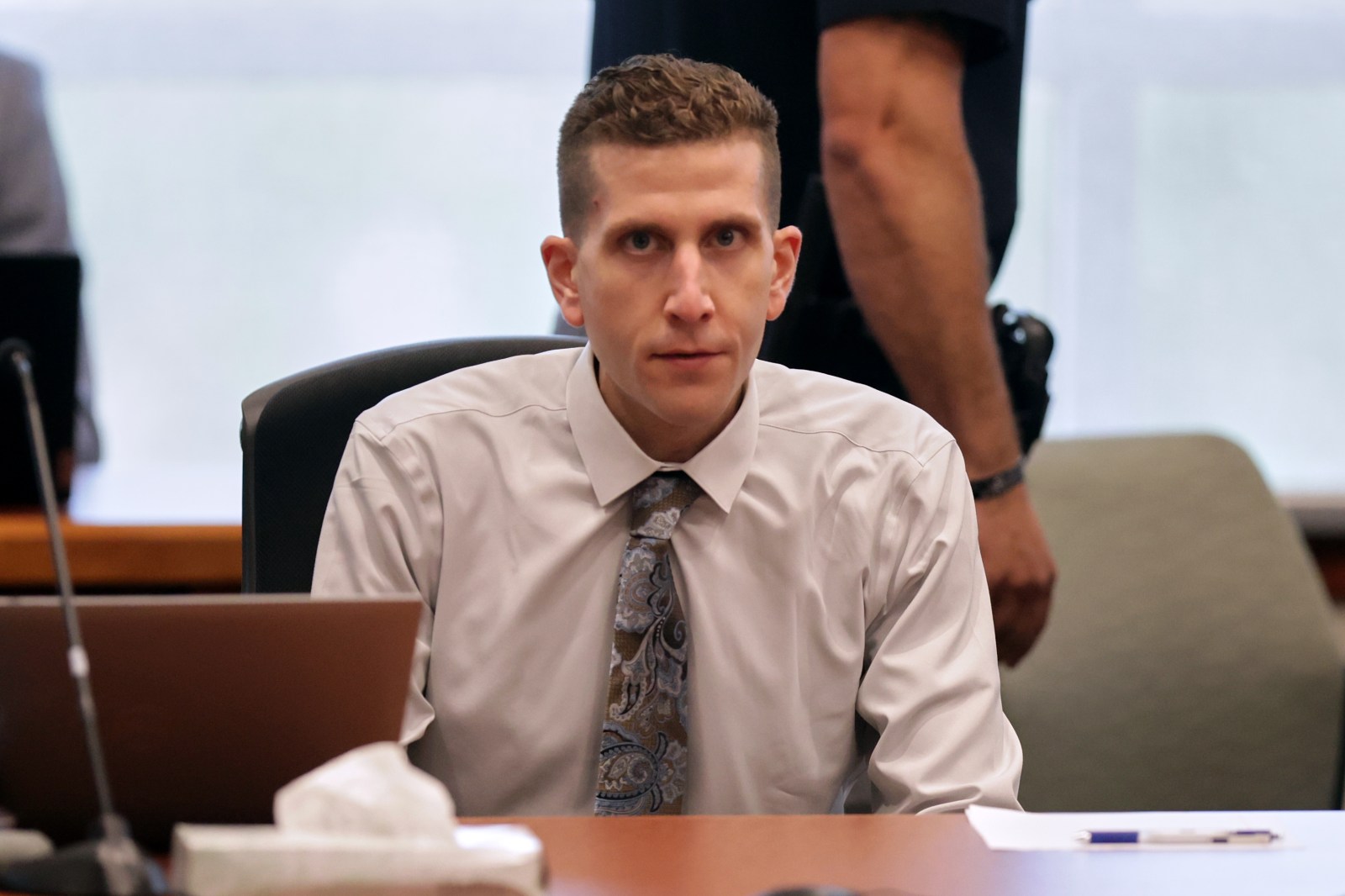
Bryan Kohberger, charged with the murder of four University of Idaho students, is seeking to withdraw his guilty plea. He pleaded guilty to the fatal stabbings of Kaylee Goncalves, Ethan Chapin, Xana Kernodle, and Madison Mogen near the university’s campus in Moscow, Idaho, in November 2022. Currently serving four consecutive life sentences, Kohberger argues that his attorneys misled him into making the plea deal.
Legal Proceedings
Last month, Kohberger filed a petition for post-conviction relief, claiming inadequate representation and manipulation by his attorneys. Idaho’s Attorney General, Raúl R. Labrador, stated his office is prepared to ensure justice. Prosecutors are yet to respond to the filing.
Mental Health Evaluation
Following his arrest, Kohberger underwent a neuropsychological evaluation. Dr. Rachel Orr, a clinical neuropsychologist, diagnosed him with several mental health disorders, including Autism Spectrum Disorder (Level 1), Attention-Deficit/Hyperactivity Disorder (ADHD), Obsessive-Compulsive Disorder (OCD), and Avoidant/Restrictive Food Intake Disorder (ARFID).
The evaluation also noted past diagnoses such as Developmental Coordination Disorder, Anorexia Nervosa, Unspecified Depressive Disorder, and Opioid Use Disorder.
Significance of Diagnoses
While Kohberger’s mental health issues were not a central focus at sentencing, they could become relevant if the guilty plea is withdrawn and the case goes to trial. Neama Rahmani, a former federal prosecutor, emphasized that Kohberger must demonstrate that his conditions prevented him from understanding his plea.
For sentencing, mental health might serve as mitigating factors rather than determinants of guilt. Laurie Levenson, professor of criminal law, noted Kohberger’s struggle with custody, influencing his decision to seek a trial.
Sentencing Considerations
If Kohberger were to be sentenced again after a trial, his mental health conditions might be considered by jurors when deciding between life imprisonment or the death penalty. His autism diagnosis was previously cited by his attorneys as a factor against the death penalty. However, Judge Steven Hippler ruled against this claim, citing Supreme Court precedent that intellectual disability is the only mental disability precluding the death penalty.
Expert Opinions
Dr. Ty Milton from Mid-America Christian University explained the significance of Kohberger’s diagnoses. Though clinically significant, they do not justify violent behavior or necessarily influence understanding of one’s situation. Milton emphasized the importance of investigating the influence of these disorders on cognitive and emotional processing.
Next Steps
Idaho prosecutors are expected to respond to Kohberger’s petition soon. Under Idaho law, they generally have 30 days to respond. After reviewing submissions, Judge Steven Hippler will decide whether to dismiss the petition or continue proceedings, which might include an evidentiary hearing.
Leave a Reply