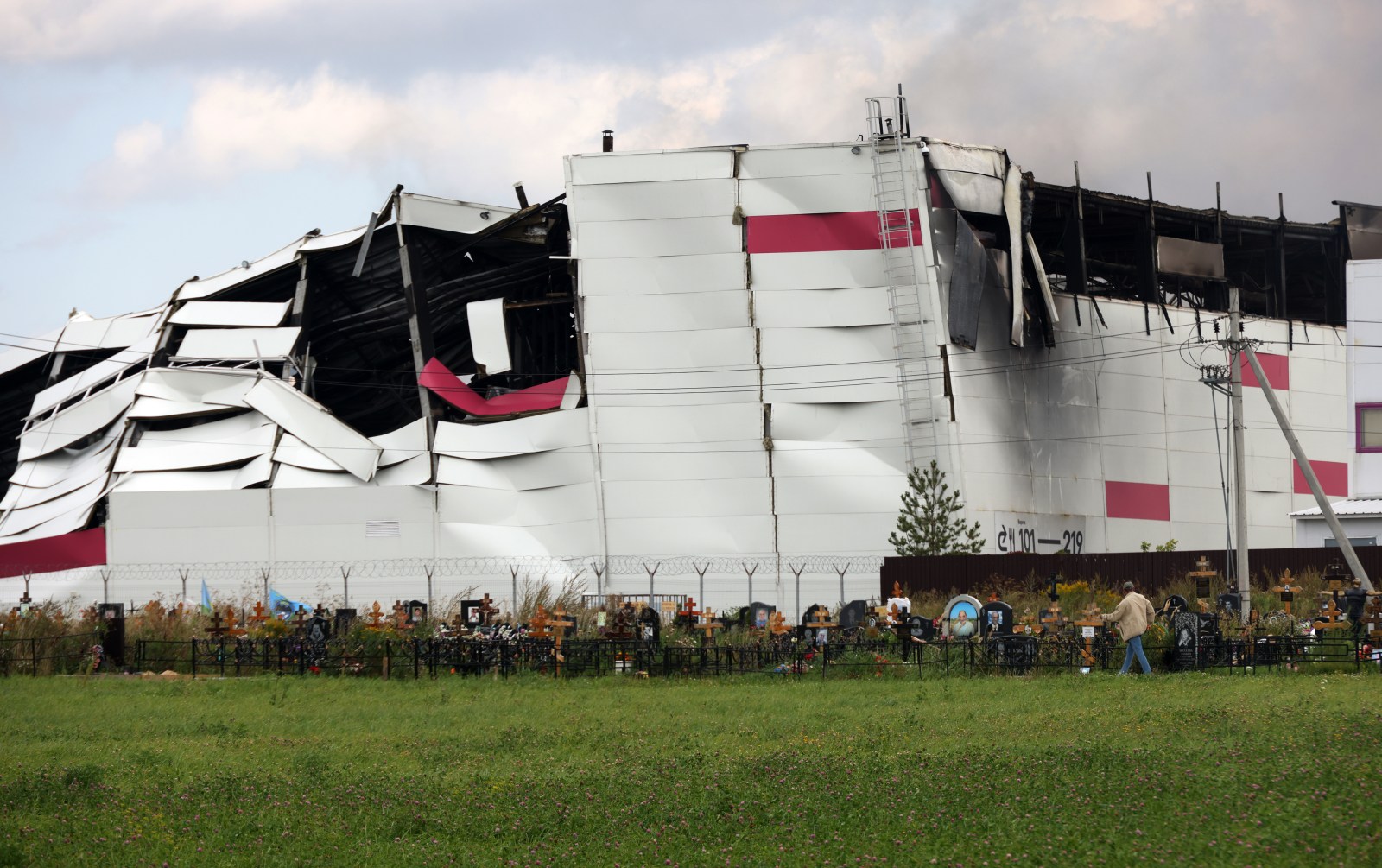
Company branding is being removed from trucks carrying goods from Russian e-commerce giant, Wildberries. This follows reports of ongoing destruction by Ukrainian drones targeting the facilities of Russia’s version of Amazon. Wildberries, a key provider of clothing, electronics, groceries, and household goods, has faced allegations from Kyiv. These allegations claim its warehouses support the supply of drone components and navigation equipment for the Russian military. Moscow denies such claims.
Efforts by Wildberries to mitigate economic impacts include removing branding from trucks. Videos shared on social media purportedly show this branding removal. The news outlet NEXTA commented on this, suggesting unmarked trucks might shield the company’s logistical operations: “Wildberries also seems to be hoping that unmarked trucks will make it harder to identify which warehouses they are servicing,” they posted. “The empire is falling apart before our eyes!!!”
In related actions aiming to reduce visibility as a target, The Moscow Times highlighted that Wildberries has stopped featuring military-related products on its website. It also removed tags associated with “special military operation,” a term used by the Kremlin for the invasion. According to Aurélien Colson, a political science professor at ESSEC Business School, Ukraine’s persistent strikes convey two messages. First, they make the war an immediate reality for Russians. Second, they blur the lines between civilian commerce and military logistics in Russia’s economy.
Wildberries, along with other competitors, contributes to approximately 8.5 percent of Russia’s GDP and employs over 5 percent of its workforce. Despite its critical role in a sanctions-affected economy, the company faces mounting challenges. An online tracker from Radio Free Europe/Radio Liberty recorded 25 strikes against Wildberries’ facilities by Wednesday. These attacks span from St. Petersburg in the north to Krasnodar in the south and Yekaterinburg in the Urals.
Ukrainian drone attacks on these sites commenced on July 18, hitting a logistics center in Kotovsk, Tambov region. On August 16, Ukraine’s Ministry of Defence reported a strike on Wildberries’ largest warehouse at the Koledino industrial park, a 250,000-square-meter facility in the Moscow region. By early August, the attacks had devastated 1.18 million square meters of Wildberries’ warehouse space, approximately one-fifth of the total capacity at the time, according to Reuters.
The Institute for the Study of War (ISW) released a map showcasing the seven most significant strikes impacting Russia’s economy. These attacks highlight the strain on Russia’s air defenses and its struggle to secure vital infrastructure. Colson, from ESSEC, stated that by striking visible commercial sites, Ukraine is bringing the consequences of war to Russian society. Such strikes exert pressure not only on logistics but also on the Russian social contract. Vladimir Putin promises a war without domestic impact, yet Ukraine challenges this promise.
Colson noted potential battlefield implications, given the Russian army’s reliance on informal supply chains for military essentials available at Wildberries. Targeting these warehouses disrupts consumer deliveries and the military procurement ecosystem.
Vuk Vuksanović, from LSE IDEAS, the London School of Economics think tank, points out the strategic nature of Ukrainian strikes on Wildberries and Russian energy facilities. These form part of a broader 40-day campaign urging Moscow towards peace talks while persuading the West to sustain its support for Ukraine. Despite efforts, Vuksanović mentioned that these strikes haven’t yielded the intended outcomes, citing Russia’s potential for further escalation. Russian retaliatory actions include destructive strikes on Ukrainian infrastructure, such as energy systems, logistics sites, and the port of Odesa.
Leave a Reply