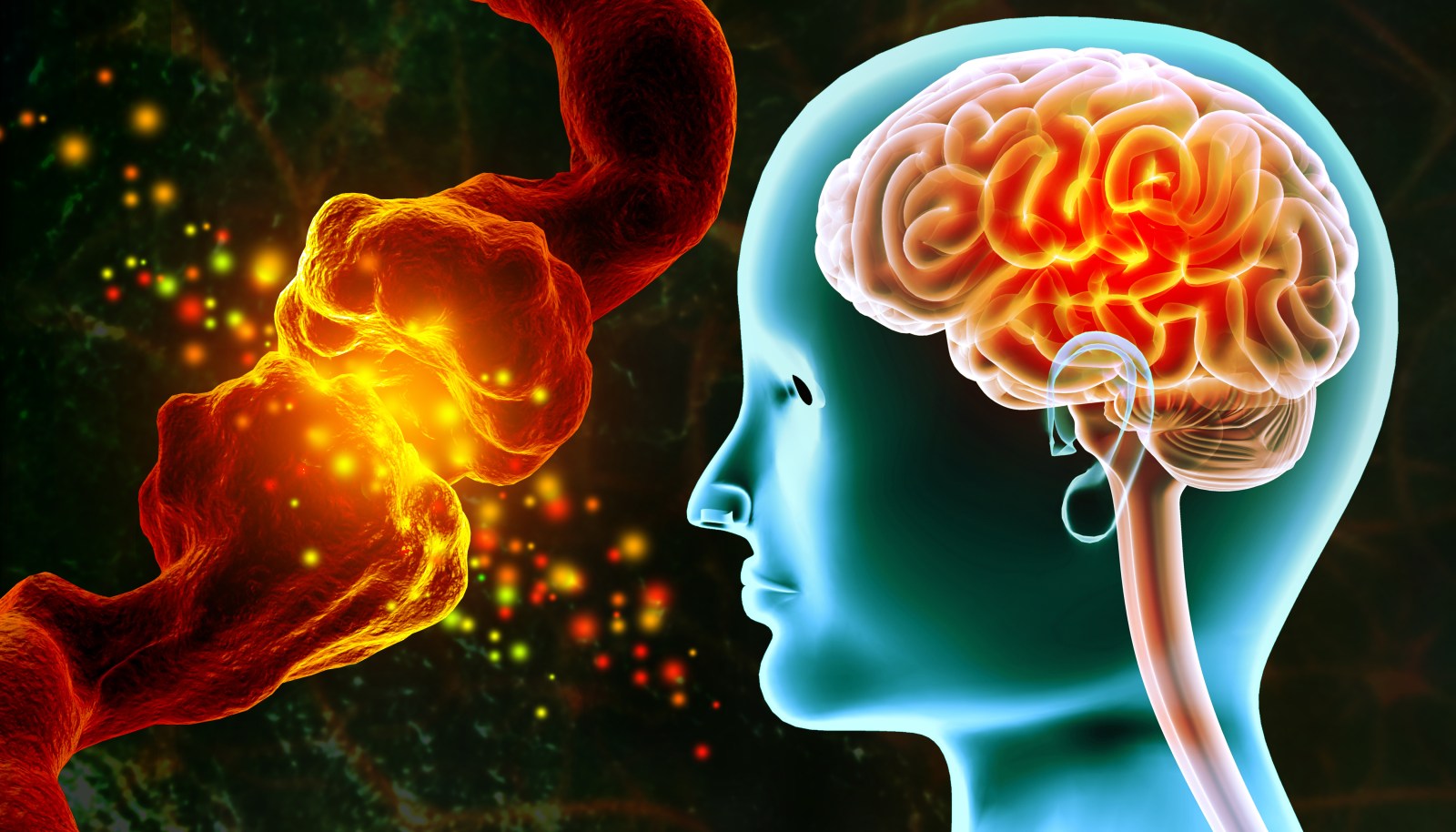
A recent study has identified a potential predictor for dementia, aiming to detect the disease in its early stages. Currently, memory clinics rely on visual rating scales to evaluate brain atrophy indicating dementia. This approach, however, struggles to detect early stage changes.
Dementia, encompassing ailments like Alzheimer’s, impacts memory, thinking, and daily task performance. The World Health Organization reported 57 million dementia cases worldwide in 2021. Early symptoms involve recent memory lapses, disorientation in familiar places, difficulty with conversation, and emotional instability.
As dementia advances, many patients lose recognition of loved ones and control over basic bodily functions. Without a cure, early detection becomes vital for managing the disease.
Research Findings
Researchers have discovered that comparing a person’s brain scans with their chronological age might predict dementia risk many years in advance. Stefan De Vries, a researcher involved in the study, highlighted how computer-estimated brain age from MRI scans adds extra insight beyond radiology assessments, especially for those with subjective cognitive decline.
The research, conducted by Amsterdam UMC, utilized patient data from 2002 to 2024, employing AI-driven algorithms to assess brain age from MRI scans. The difference between calculated brain age and actual age—termed brain-PAD—was tested as an indicator for mild cognitive impairments leading to dementia.
The study revealed that brains that appeared structurally older correlated with a heightened dementia risk. Specifically, for each additional brain age year, dementia risk increased by 6%.
Methodology and Results
The team analyzed data from 412 patients with subjective cognitive decline (SCD) and 387 with mild cognitive impairment (MCI). Utilizing AI algorithms, they evaluated structural MRI scans alongside cognitive test scores and traditional MRI visual ratings. An older brain age was strongly linked to the future development of dementia.
Interestingly, if an SCD patient’s brain seemed over 2.6 years younger than their actual age, there was a 99% chance they would not develop dementia over the next two to ten years. However, for MCI patients, determining brain age did not provide significantly more information than existing MRI evaluations.
Future Implications
Although further studies are warranted to apply this approach clinically, researchers are optimistic about integrating this method with current practices to identify those at risk. De Vries noted ongoing research into how AI might enhance radiologists’ capabilities and improve diagnostic outcomes in memory clinics.
The study, titled “Comparison of Brain Age With Standard MRI Assessment for Dementia Risk Stratification in Subjective and Mild Cognitive Impairment,” is documented in the journal Neurology.
Leave a Reply