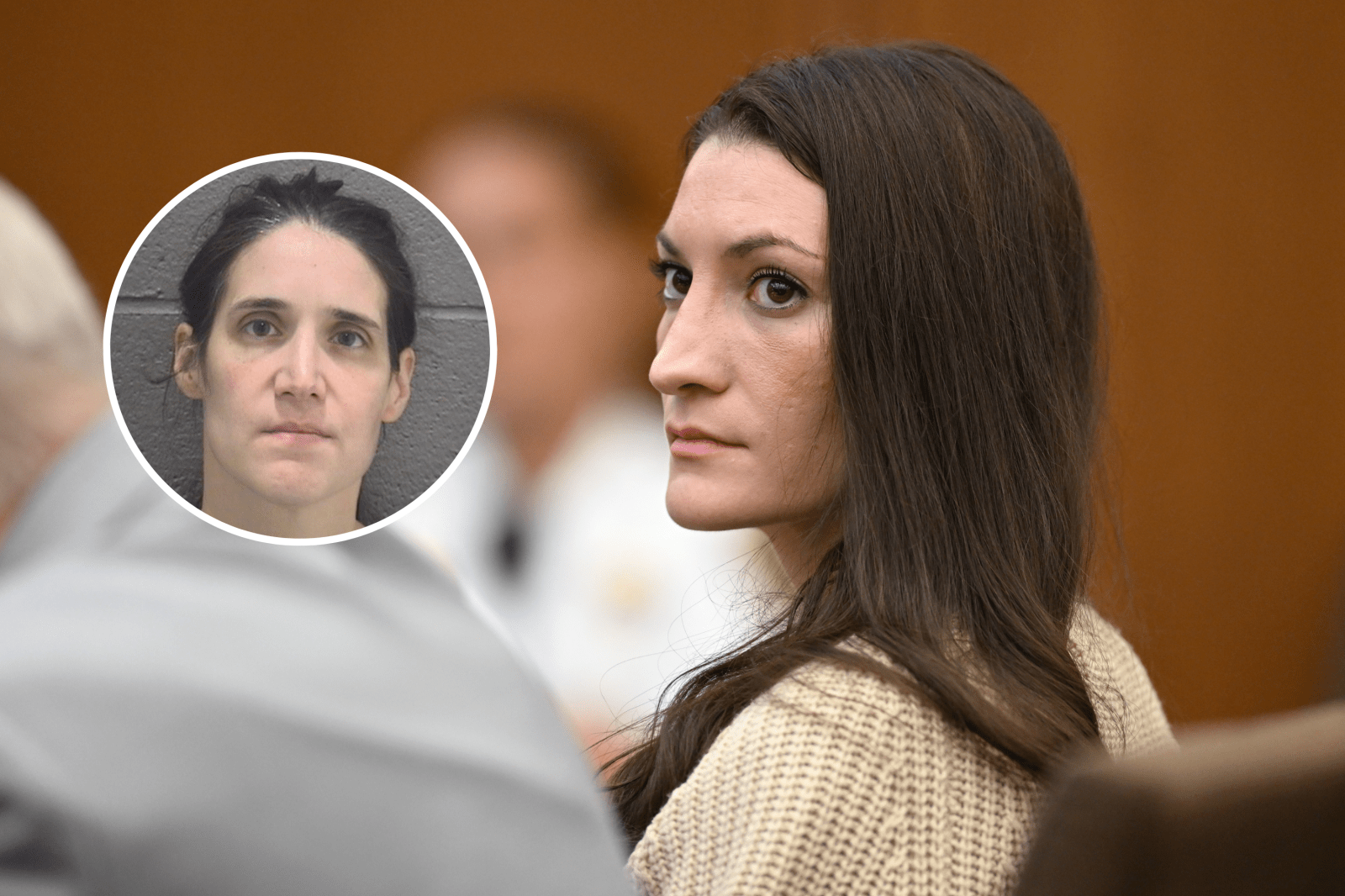
Andrea Faust Case: Overview and Legal Developments
Andrea Faust, a mother from North Carolina, is facing charges of murdering her 3-year-old son and attempting to murder her 2-year-old. Her defense plans to argue insanity, echoing themes of mental health as seen in the Lindsay Clancy case ongoing in Massachusetts. The Clancy case, where she is accused of murdering her children, has drawn significant national interest due to its focus on mental illness and legal culpability. Clancy’s defense argues not guilty by reason of insanity, spotlighting the struggles faced by women postpartum.
Details Surrounding Andrea Faust’s Case
Andrea Faust, 41, from Durham, North Carolina, stands accused of first-degree murder and attempted first-degree murder after her two children were found unresponsive in the family home on February 12. Percy, her three-year-old son, died while two-year-old Kenny survived and is expected to recover. Andrea’s husband, Eric Faust, described the incident as stemming from a severe mental health crisis. He praised Andrea as a devoted mother and urged her against harming herself.
Court records revealed Andrea’s multiple suicide attempts while in custody, including one instance leading to injuries requiring surgery. Authorities discovered she had amassed Tylenol, suspected for self-harm purposes. A judge, in March, declared Andrea incapable of standing trial, mandating inpatient psychiatric evaluation and treatment.
On Tuesday, per her attorney Nicole Gallinsky, they intend to pursue an insanity defense, focusing on Andrea’s mental state at the alleged crime time. Historically, insanity defenses succeed in only a small percentage of criminal cases. They require evidence of severe mental disease or defect hindering one’s understanding of actions and their wrongfulness.
Comparisons With Lindsay Clancy Case
Faust’s case draws comparisons to Lindsay Clancy’s because both involve mothers accused of harming their children, with defenses rooted in mental health issues. Clancy’s defense relies on claims of postpartum psychosis, which allegedly left her unaware of her actions’ wrongfulness. Similarly, Clancy attempted suicide, resulting in paralysis.
Gallinsky claims Faust suffered from psychosis, experiencing auditory hallucinations. Both women allegedly sought help from their mothers when overwhelmed by intrusive thoughts. Unlike Clancy, Faust’s diagnosis does not involve postpartum psychosis. Gallinsky criticizes the medical community’s insufficient response to both women’s mental health needs.
Dr. Adrienne Saxton reported in July that Andrea operated under a “defect of reason” due to a “disease of the mind,” impairing her ability to distinguish right from wrong. The state requested a mental health evaluation, unopposed by Gallinsky.
Implications for Mental Health Discussions
Both cases raise legal questions surrounding defendants’ responsibility. Prosecutors must demonstrate legal accountability, while defense attorneys attribute actions to mental illness. The cases highlight inadequacies in maternal mental health care.
Experts highlight the spectrum of postpartum mood disorders, noting postpartum depression’s commonality versus postpartum psychosis’s rarity, necessitating urgent care due to self-harm risks. Gallinsky asserts societal failure in recognizing maternal mental health concerns.
Current Status of Lindsay Clancy Trial
Clancy’s trial proceeds in Plymouth Superior Court, Massachusetts, with testimonies detailing her mental state prior to the alleged incidents. Psychologists and family members take the stand, while testimony recently paused due to unspecified circumstances.
The trial’s outcome bears significance for postpartum psychosis defenses nationwide. Faust’s case, as it evolves, may also prompt discussions on mental health services for women. As courts assess the impact of severe mental illness, chances for legal absolution may arise based on defendants’ psychiatric conditions.
If you or someone you know is contemplating suicide, reach out to the 988 Suicide and Crisis Lifeline at 988, text “988” to 741741, or visit 988lifeline.org.
Leave a Reply