The trial concerning Lindsay Clancy, accused of killing her three children at their home in Duxbury, Massachusetts, is approaching its conclusion, with closing arguments expected this week. Clancy, who took the lives of her children Cora, Dawson, and Callan, then attempted suicide in January 2023.
The prosecution argues that Clancy planned the murders, having sent her husband on errands before she strangled the children. On the other hand, the defense claims she was in a state of postpartum psychosis, unable to comprehend her actions due to her mental health issues. They have presented expert testimony indicating she had bipolar disorder and postpartum psychosis.
Throughout the trial, Clancy’s mental health has been a primary focus. Her legal team asserts that she tirelessly pursued treatment before the tragic event, including an inpatient psychiatric stay and receiving prescriptions for 13 different medications over four months. Clancy decided against taking the stand. With her defense rested on Friday, the prosecution is now presenting rebuttal witnesses.
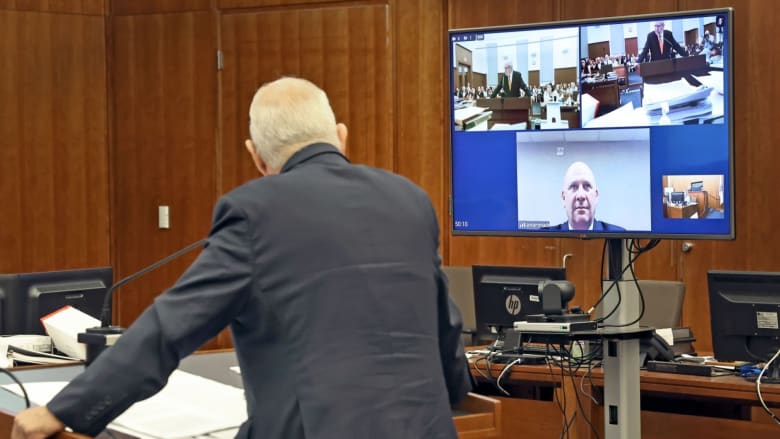
On Monday, defense attorney Kevin Reddington engaged in a tense cross-examination with Dr. Avram Mack, a witness for the prosecution. Dr. Mack’s testimony drew national attention as it touched upon the complex issues surrounding postpartum psychosis and maternal mental health, rallying hundreds of Clancy’s supporters outside the courthouse.
Dr. Heilbrun’s Testimony
Dr. Kirk Heilbrun, a forensic psychologist, testified that Clancy suffered from bipolar II disorder, which does not include manic episodes. He clarified that while Clancy experienced energy highs, they were not manic episodes. Instead, they were moments where she seemed to feel physically well and engaged in activities like exercise. He also mentioned the possibility of hypomania, distinct from mania, which can cause breaks from reality.
Mental Health Background After Third Child
Dr. Heilbrun detailed Clancy’s turmoil after the birth of her third child in 2022. She faced anxiety and depression with intrusive thoughts about harming herself beginning in late 2022. Despite seeking help, her mental health declined further by January 2023, leading to thoughts of harming her children.
Limited Mental Health History Before 2022
Before September 2022, Clancy’s mental health issues were minimal. Dr. Heilbrun noted only some anxiety during her nursing school years and after each childbirth due to difficulty leaving her children.
Rebuttal Witnesses Called
The prosecution is now countering the defense’s last witness, Dr. Phillip Resnick’s declaration that Clancy was living with bipolar disorder and experiencing postpartum psychosis when she committed the crime. Dr. Avram Mack, a rebuttal witness, suggested Clancy faced a major depressive episode but noted no evidence of a manic state crucial for a bipolar diagnosis.
Debate over recognizing postpartum psychosis as a formal diagnosis took center stage during Mack’s testimony. He insisted that while postpartum depression might lead to psychosis, postpartum psychosis is not formally recognized by the American Psychiatric Association. The prosecution objected to the focus on the DSM during Reddington’s questioning, as Mack stuck closely to its definitions.
Throughout the trial, Clancy’s support group has been vocal, highlighting concerns about mental health issues postpartum. Now, as the trial draws to an end, the jury must decide on Clancy’s criminal responsibility.
Leave a Reply