In the fictional tale of “The Ministry for the Future” by American writer Kim Stanley Robinson, a catastrophic heatwave in India leads to massive fatalities, compelling global efforts to combat climate change. Once considered imaginary, such scenarios are now possible and, in some cases, inevitable according to scientists. We are seeing more frequent extreme weather events such as heatwaves, storms, floods, and droughts.
The Warning Signs
Daniel Swain, a climate scientist, expresses concern that society might dismiss these warnings as exaggerations. Yet the threat of climate-related disasters is real and increasing. Historical evidence supports this; over 150 years ago, Eunice Newton Foote discovered that carbon dioxide, when exposed to sunlight, heats up faster and cools slower. This revelation hinted at the future impact of greenhouse gases, which today are driving global temperature increases and extreme weather.
The rise in average global temperature by 1.44 degrees Celsius since the early 1800s is largely due to the United States, the largest emitter of greenhouse gases. However, awareness does not always translate to action, as shown by former President Donald Trump’s dismissive attitude toward climate change.
Consequences of Inaction
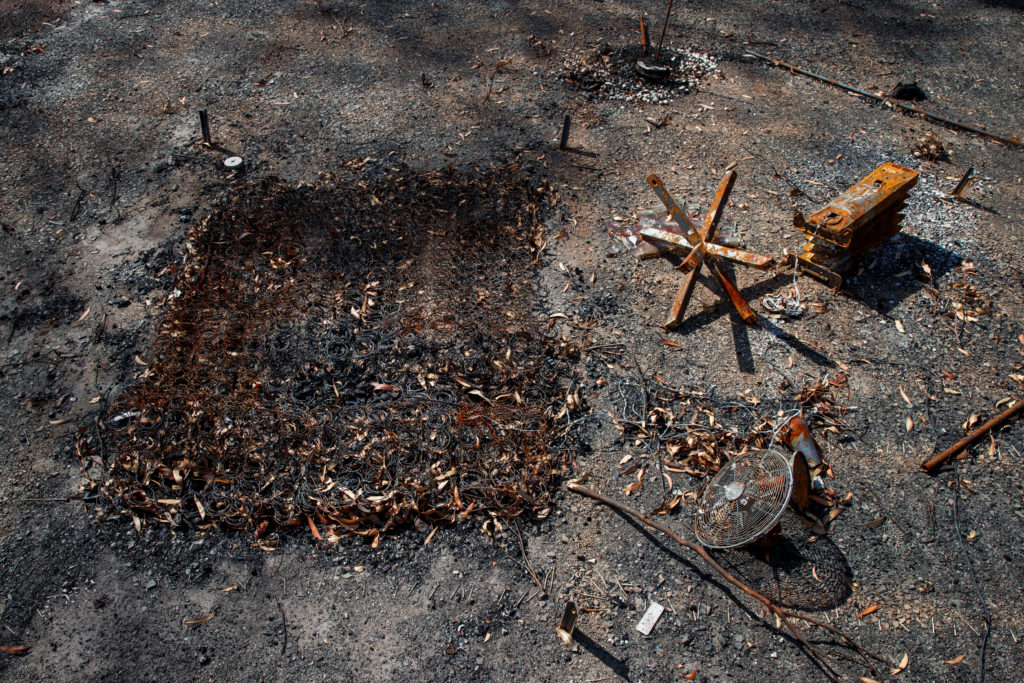
The world has already endured notable extreme weather events. The “Black Summer” bushfires of Australia burnt over 46 million acres in 2019-2020. Pakistan experienced massive flooding in 2022, while Hurricanes Milton and Helene struck the southern United States in 2024. These events highlight the urgent need for preparedness, a sentiment echoed by climate scientist Sarah Perkins-Kirkpatrick. She stressed that achieving net-zero emissions is crucial, yet not sufficient, due to the long-lasting effects of carbon dioxide.
Addressing Climate Change
While Robinson’s narrative suggests reduced reliance on conventional power grids and increased solar use could help, the risks of climate catastrophes endure. Governments and individuals often resist recognizing the severity of the situation. As noted by climatologist Sonia Seneviratne, the lack of explicit predictions about catastrophic events does not equate to non-existence. Scientists have long warned of these risks even if exact timing remains uncertain.
In California, cities have become examples of preparation for natural disasters like earthquakes through efforts led by seismologist Lucy Jones. This proactive approach can serve as a model for climate change preparedness. Yet many still dismiss or deny climate science as a coping mechanism, delaying vital changes.
Learnings from Fiction and Cinema
Movies often depict climatic disasters with either optimistic outcomes or inevitable doom, both of which may mislead public perception. “The Day After Tomorrow” and “Don’t Look Up” are examples of films portraying extreme scenarios. Reality shows that although predictions may not always be precise, the real effects of climate change often exceed scientific expectations.
For example, in 2022, the UK experienced unprecedented heat levels despite predictions of low probabilities. Tipping points like those affecting coral reefs and the Amazon rainforest demonstrate the urgency for significant action.
As natural events like El Niño intensify, the Earth faces increasing risks. Tim Lenton, a climate science professor, stresses the need to discuss potential severe impacts instead of ignoring them. With continued complacency, larger climate shocks could be looming.
Leave a Reply