U.S. officials face a new challenge: a trade conflict with Canada. This alters the historically close relationship between the two nations. President Donald Trump’s threat to impose a 50% tariff on $20 billion worth of Canadian exports to the U.S. prompted urgent negotiations.
The Trump administration aimed to adjust what it perceived as an unfair trade balance. It sought greater access for U.S. dairy products in Canada, a return of American alcohol to Canadian markets, and the removal of tariffs Canada placed in retaliation for prior U.S. levies. In exchange, Canada wanted the suspension of the threatened tariffs and reduced duties on its raw materials.
Negotiations fell apart when last-minute demands emerged. U.S. officials accused Canada of these late changes, while Canadian Prime Minister Mark Carney believed the U.S. attempt to limit Canada’s autonomy in trade agreements was unacceptable. Carney publicly declared Canada’s stance against the U.S. approach, stressing the importance of Canadian sovereignty.
If unresolved, Canada’s retaliatory measures will take effect on September 8, impacting both economies. U.S. farmers will face increased costs for Canadian fertilizers, potentially requiring more financial supports from the Trump administration. Meanwhile, Canada’s economy, smaller compared to the U.S., may experience significant disruptions, particularly in the car industry, leading to job losses.
Despite potential economic challenges, Carney and the Canadian public view resisting U.S. demands as a preferable option to conceding. Carney’s strategy, favoring strong resistance, has gained widespread support across Canada. This includes backing from political rivals who usually oppose him.
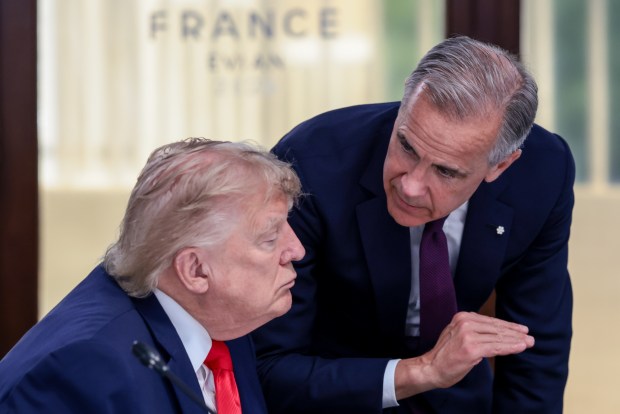
U.S. President Trump and Canadian Prime Minister Carney met during the G7 summit, yet tensions remain. The scenario provides a lesson for U.S. foreign policy: continuous coercion fosters resistance. Nations resist being dominated or economically pressured.
Trump has used this tactic before. He threatened European countries over Greenland, used force on Iran to influence trade at the Strait of Hormuz, and pressured Brazil financially amid political disputes. In each case, these approaches failed to achieve U.S. objectives. These countries maintain their stances, rejecting substantial U.S. pressure.
Ultimately, while the U.S. remains influential, its power is not without limits. Other nations, including Canada, show resilience in the face of aggressive diplomacy.
Leave a Reply