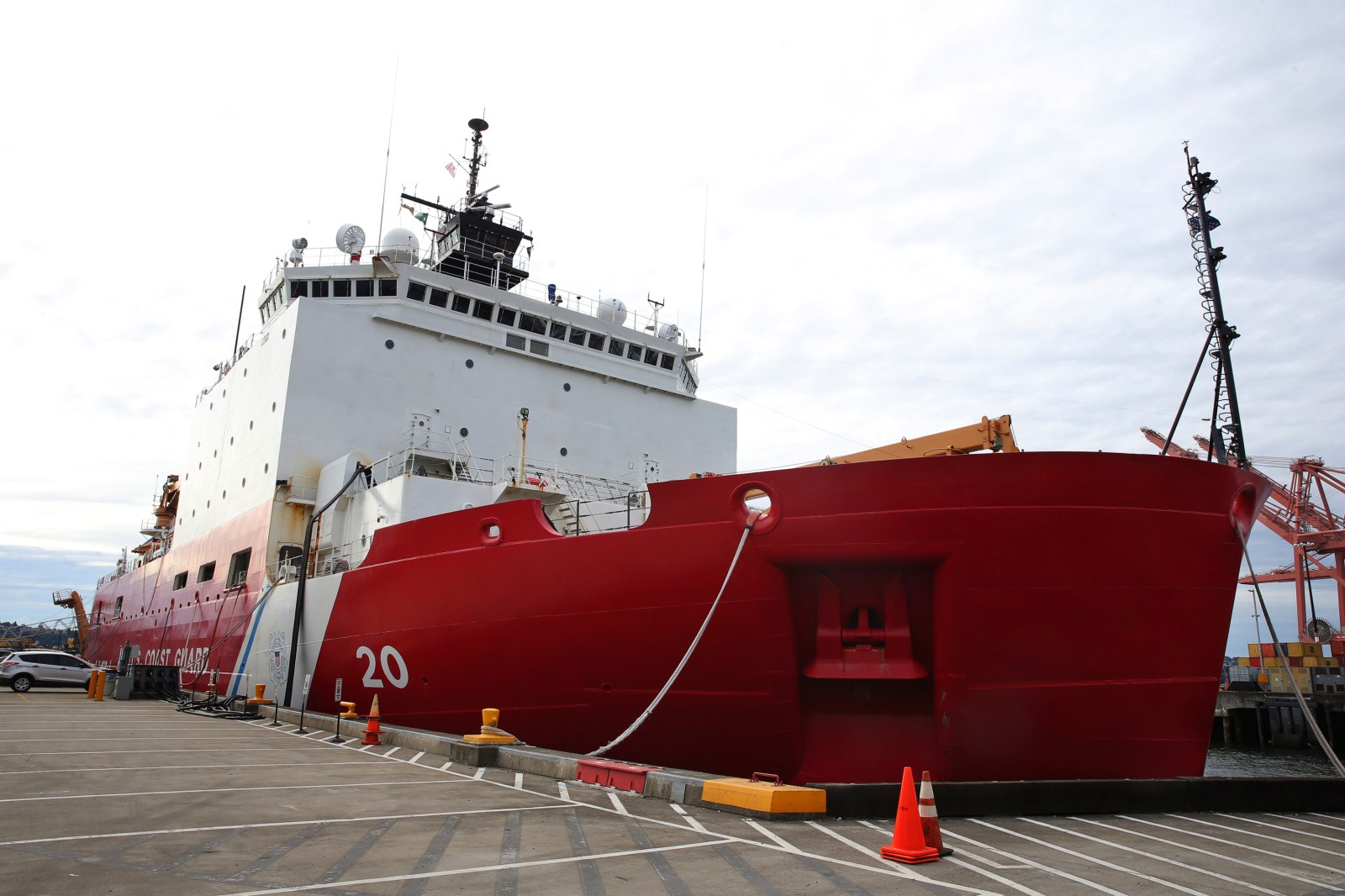
The United States is facing significant difficulties in its efforts to develop new icebreakers. The Arctic, increasingly important for reasons related to climate change, security, and technology, demands modern capabilities. However, the U.S. has encountered setbacks, such as delays, cost overruns, and a lack of skilled workers and technology. The Government Accountability Office (GAO) recently published a report outlining these challenges, noting that not a single icebreaker has been completed in the seven years since the initial commissioning.
Similarly, Canada announced an $11 billion program to construct six icebreakers for its Coast Guard. Prime Minister Mark Carney stated that the first ship should be ready by 2032, with the full fleet expected to be operational by 2038. As the geopolitical significance of the Arctic grows, the need for enhanced icebreaking capabilities becomes more pressing.
Finland’s Expertise
Finland, renowned for its icebreaking capabilities, is stepping in to assist the U.S. The first of four Finnish-built icebreakers for the U.S. is anticipated to be ready by 2028. Robin Häggblom, senior adviser at Risk Intelligence, highlighted Finland’s expertise in constructing ice ships, a proficiency developed out of necessity due to its freezing ports.
Finnish shipbuilders have a significant role in the U.S. Arctic Security Cutter program. Last year, the White House announced an agreement for up to 11 Arctic Security Cutters, primarily involving collaborations between Finnish firms and U.S. companies. These contracts, valued at $6.8 billion, will foster technology and skill transfers to American shipyards.
Political Spectrum Implications
Häggblom points out that the urgency of icebreaker development spans the political spectrum. Progressives see the need to study Arctic climate change, while conservatives recognize the strategic security significance of Arctic routes. New technologies enable easier access to raw materials and energy resources that were previously challenging to develop.
From a security perspective, the Arctic serves as a vital short route between Russia and the U.S. for air and nuclear defense scenarios. Russia remains a dominant force in the Arctic, possessing the largest fleet of icebreakers, many of which Finland constructed. The U.S., with a substantial Arctic coastline in Alaska, has limited operational icebreakers.
China’s Arctic Interest
China is actively engaging in the Arctic region. While it is not an Arctic country, China conducts climate and military-connected research, maintains an active icebreaker building program, and explores shipping routes through the Arctic. This includes potential commercial cargo services along Russia’s Northeastern Passage.
Häggblom notes the declining U.S. capability in supporting Arctic ventures amid growing international interest. He criticizes previous defense projects for lacking security clarity and highlights the importance of the Arctic Security Cutter program. The program’s success depends on timely and budget-conscious execution.
Newsweek sought comments from Bollinger Shipyards but did not receive a response. Häggblom questions whether the U.S. can build follow-up vessels on schedule and within budget, as two icebreakers are set to be constructed in Finland, followed by more in Louisiana and Texas with Finnish assistance. The future of American icebreaker development remains uncertain.
Leave a Reply