Parents often find themselves in a debate over which diaper brand is better for their little ones, Huggies or Pampers. Each brand has loyal followers who swear by their choice based on different factors like softness or overnight protection. Understanding the strengths of each can help you make an informed decision.
Comparing Huggies and Pampers
Both Huggies and Pampers are well-established brands known for providing comfort and dryness for babies. Your choice might ultimately depend on brand preference, diaper style, and specific needs for your baby.
Factors to Consider When Choosing a Diaper
It’s essential to consider aspects such as cost, softness, absorbency, fit, fragrance, ingredients, and eco-friendliness. Both brands have features such as wetness indicators and stretchy materials, plus they are paraben-free. Huggies have a dry touch liner and pocketed waistband. Pampers avoid chlorine bleach.
Diaper Sizing
Both brands provide sizes based on weight, from newborn to size 6. Pampers also offers size 7 for bigger toddlers.
Exploring Huggies Diapers
Huggies, from Kimberly-Clark, has been a trusted choice for over four decades. The company focuses on charitable activities, including hospital hugger programs and partnerships with NICU staff. Huggies aims to ensure every baby receives optimal care.
- Little Snugglers (newborns)
- Little Movers (older infants/toddlers)
- Snug & Dry (leak lock)
- Special Delivery (plant-based)
- Overnites (overnight diapers)
- Pull-Ups (training pants)
- Goodnites (bedwetting)
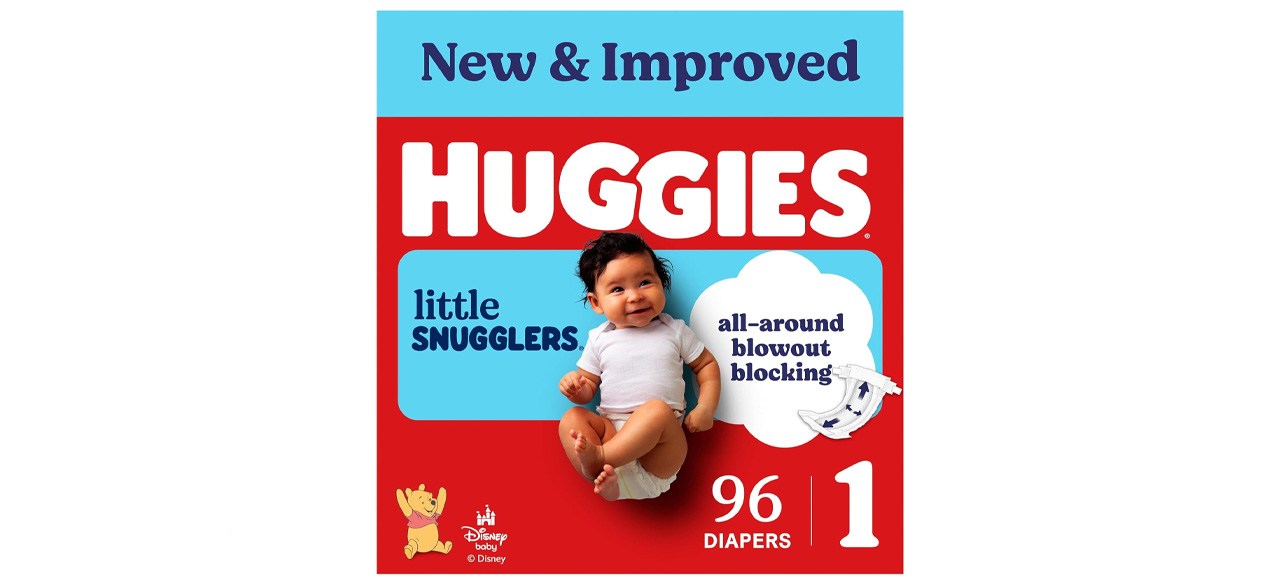
A box of size 1 Huggies Little Snugglers, for instance, contains 96 diapers and is priced around $25.
Pros of Huggies
- Excellent leak protection
- Ideal for active babies
- Snug fit prevents blowouts
- High absorbency
Cons of Huggies
- Artificial, plastic-like texture
- Sticky fastening strips
- Limited sizing options (up to size 6)
Pampers Diapers
Pampers, by Procter & Gamble, has a five-decade history and is worn by over 25 million babies across 100 countries daily. Pampers values transparency in ingredients and prioritizes rigorous testing for safety.
- Swaddlers
- Baby Dry (newborns)
- Pure Protection (plant-based)
- Cruisers
- Baby Dry (older infants/toddlers)
- Easy Up (training pants)
- Underjams (bedwetting)
A size 1 Pampers Baby Dry pack offers 120 diapers for approximately $28.
Pros of Pampers
- Extra softness
- Flexible fit for different baby shapes
- Umbilical cord space on Swaddlers
- Available up to size 7
Cons of Pampers
- Swaddlers may underperform overnight
- Slim profile may not suit bigger babies
Choosing the Right Diaper
For active babies, Huggies are flexible. Pampers are ideal for sensitive skin. Moreover, Pampers’ sizing may better accommodate larger babies. Consider your baby’s unique needs and which brand aligns with them best.
Leave a Reply