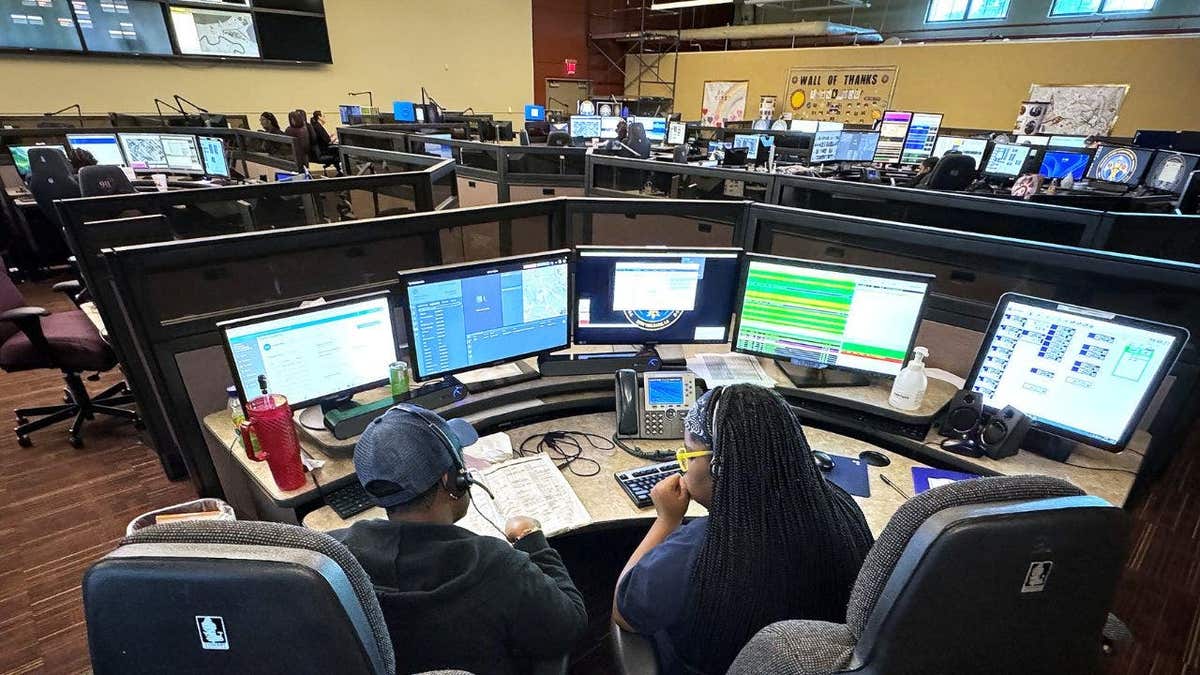
Calling 911 often means expecting a human voice on the other end. In New Orleans, there’s a change for specific situations. An artificial intelligence system may respond in cases involving certain calls about already reported auto crashes.
AI’s Role in New Orleans 911 Calls
The Orleans Parish Communication District (OPCD) manages 911 emergency communications. The introduction of AI helps manage repeat crash reports, keeping human call-takers available for other emergencies.
Hearing an automated voice on 911 might seem unsettling, but here’s how the system operates. It intervenes only when human call-takers are busy, and humans still maintain control.
Understanding the New Orleans 911 AI System
OPCD partnered with emergency communications company Carbyne to develop AI-V Emergency Call Triage. This system helps manage surges in calls about the same incident. One car crash, for example, can trigger numerous calls from nearby drivers.
The AI evaluates whether an incoming call is from within 200 meters of a crash already reported to 911. It activates only when every call-taker is occupied and does not apply to other 911 call categories.
How the AI Interaction Works
When AI answers a call, it identifies as New Orleans 911 and asks if the call pertains to a specific accident location. If a caller confirms, the system acknowledges the crash report and advises the caller to hang up unless they have additional information.
The AI system cannot end the call, leaving the decision to the caller. It also reverts to the 911 queue if the caller answers in any other language or if the system doesn’t understand the response.
Limitations and Capabilities
The system cannot dispatch responders or determine call urgency. Its core function is to identify repeat crash calls and decide if human interaction is necessary.
Unlike broad AI chatbots, this system performs a specialized task within emergency communications. Training includes local 911 recordings to understand accents and street names better.
Handling Misunderstandings
If the AI cannot grasp a call or the scenario is unfamiliar, it sends the call back to a human operator. The system supports multiple languages and has adjusted to local nuances.
Ensuring Caller Follow-through
The AI maintains normal callback procedures. Hanging up does not remove a call from the queue. OPCD advises callers to stay connected, as a waiting call will eventually reach a call-taker.
AI interactions are logged with the usual metadata, maintaining records for investigators. Calls handled by the system are not shared with outside AI models, addressing privacy concerns.
Performance and Future Prospects
OPCD tested the technology extensively before live deployment. They reviewed 100% of calls during the first three months, finding no false positives or negatives. Carbyne’s performance figures indicate AI reduced redundant calls by over 30%, and distressed calls were answered faster.
The AI tool does not replace human call-takers. It supports them by handling specific scenarios like repeat crash reports. OPCD highlights ongoing staffing challenges and sees AI as a supportive tool.
Potential Expansion and Considerations
Looking ahead, OPCD evaluates other possible applications for AI. However, live 911 system expansions will depend on thorough testing. Any future adaptation will aim to ensure technology reliability.
New Orleans is a test case for AI in emergency services. Your community could face similar developments. It’s crucial to understand what the system can and cannot do, ensuring you can quickly connect with a human if needed.
AI’s entry into 911 systems presents opportunities and challenges. While AI helps filter repeat crash reports, human oversight remains vital. New Orleans keeps AI’s role limited, ensuring reliable human access for emergencies.
Leave a Reply