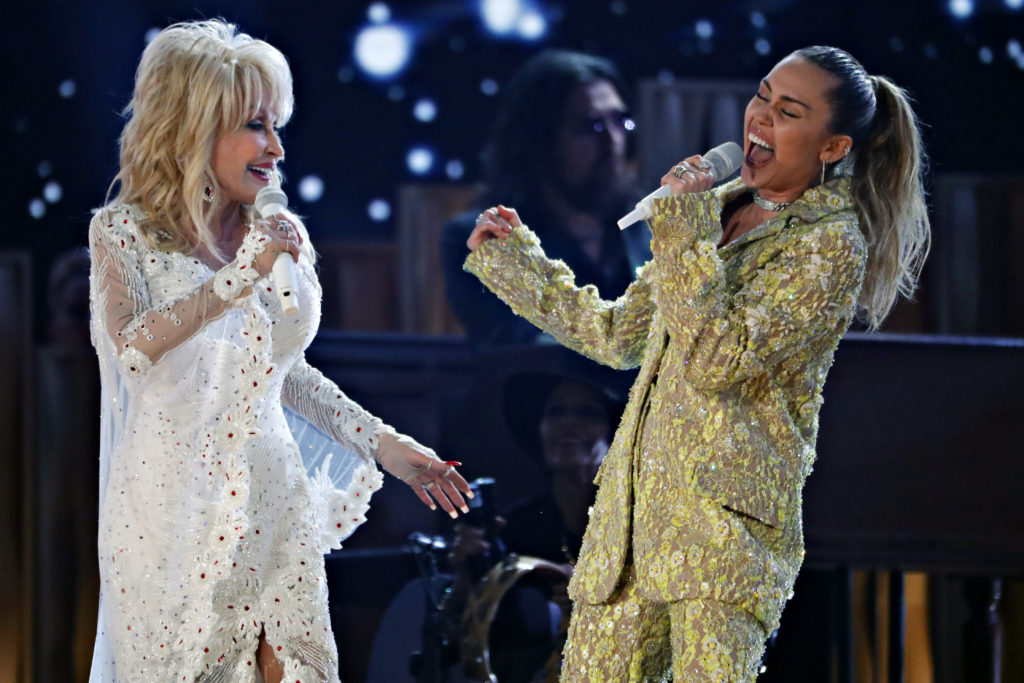
Dolly Parton was a celebrated musician, actor, author, philanthropist, and entrepreneur. She passed away at age 80 but left a lasting impact on global culture as an iconic American figure. She was best known for her songwriting skills, which formed the foundation of her multifaceted career.
Her discography is rich with classics that transcend time. Highlighted here are some of her most influential songs that challenge gender norms and redefine country music.
1968: “Just Because I’m a Woman”
Parton was renowned for incorporating feminist themes in her music. “Just Because I’m a Woman” is an early example of her progressive stance. In this song, the protagonist addresses her partner, stating that previous sexual experiences should not define her worth. Inspired by a conversation with her late husband Carl Dean, it highlights equality in relationships.
1971: “Coat of Many Colors”
This autobiographical song showcases Parton as an exceptional storyteller. “Coat of Many Colors” narrates her mother’s effort in crafting a coat from rags, which led to mockery but taught Parton the value of love over material wealth.
1973: “Jolene”
“Jolene” remains a classic in country music, recounting a flirtatious encounter involving Parton’s husband. It blends humor and storytelling and has secured its place in American music heritage.
1974: “I Will Always Love You”
The original rendition by Parton was penned for Porter Wagoner as she parted ways with “The Porter Wagoner Show.” While Whitney Houston’s version is widely recognized, Parton’s heartfelt lyrics continue to resonate.
1977: “Here You Come Again”
Though not written by Parton, “Here You Come Again,” penned by Barry Mann and Cynthia Weil, marked her success in crossing into pop music while maintaining her country roots.
1980: “9 to 5”
The theme of workplace equality drives the hit “9 to 5,” written for the film of the same name. Its iconic typewriter rhythm and empowering lyrics earned Parton an Oscar nomination, showcasing her Hollywood talent.
1983: “Islands in the Stream”
This duet with Kenny Rogers solidified Parton as a mainstream icon. Written by the Bee Gees, the song linked R&B and country music, further illustrating Parton’s versatility.
1989: “Why’d You Come in Here Lookin’ Like That”
Parton returned to traditional country with “Why’d You Come in Here Lookin’ Like That.” Featuring lively instruments like steel guitar, banjo, and fiddle, the song is a playful take on attraction.
1999: “The Grass Is Blue”
“The Grass Is Blue” introduced a more raw and emotional style, written during a break from filming “Blue Valley Songbird.” Its unpolished vocals add depth to the bluegrass ballad, depicting love’s impossible pain.
2001: “Little Sparrow”
Facing declining popularity in the ’90s, Parton rebounded with “Little Sparrow,” a roots-inspired album honoring her father’s memory. Its a cappella harmonies reflect her mastery of traditional Appalachian sound.
2014: “Blue Smoke”
“Blue Smoke” evokes nostalgia for Parton’s childhood in the Blue Ridge Mountains. Its poignant lyrics and spirited melody capture the essence of leaving home and moving forward.
Parton’s contributions to music and culture remain integral to her legacy. Her diverse song catalog shows her ability to adapt, innovate, and define genres. Supporting trusted journalism allows these stories to be shared widely.
Leave a Reply