Economic Concerns as Midterms Approach
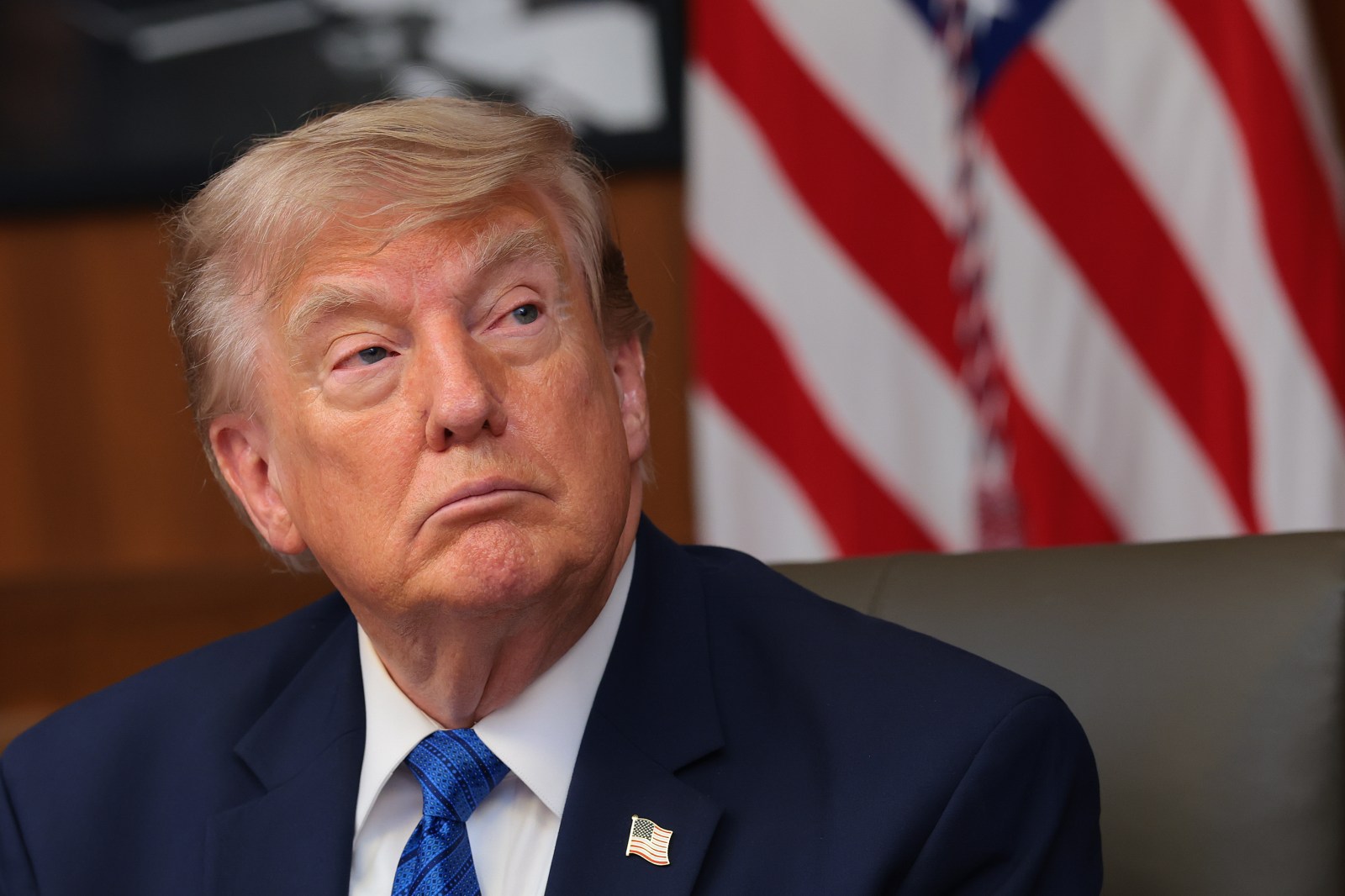
President Donald Trump faces a growing challenge with American’s confidence in the economy dipping just 70 days before the 2026 midterm elections. Recent polls reveal increased voter dissatisfaction with his administration. The Conference Board’s Consumer Confidence Index fell to 89.4 in August, from 90.2 in July. Chief Economist Dana M. Peterson indicated that consumers are more pessimistic about upcoming business conditions and the labor market.
The economic environment is playing a critical role in the midterms, often reflecting public opinion on a president’s effectiveness. This year, issues like inflation and cost-of-living are prominent in polls. Democrats believe declining approval ratings for Trump may affect support for Republicans, giving them a chance to compete in conservative areas.
Consumer Confidence Index Insights
In August, the Consumer Confidence Index decreased by 0.8 points amid inflation worries. Factors like general prices, particularly oil and gas, were highlighted. Concerns about war, food, trade, and employment also rose. However, the Present Situation Index improved due to stronger perceptions of employment conditions. More consumers felt jobs were plentiful, while fewer thought jobs were hard to find.
Political science professor Robert Y. Shapiro emphasized the need to alter public perceptions of the economy. He suggested lowering tariffs to control inflation and improving the labor market without expelling immigrants. Reopening the Strait of Hormuz could reduce gasoline prices and mitigate war concerns, positively impacting Republicans.
Trump’s Approval Ratings Decline
Recent polls demonstrate a decline in Trump’s approval ratings. A YouGov and The Economist poll showed a 36% approval rating, with 57% disapproving. It surveyed 1,536 adults with a margin of error of 3.5 points. The Reuters/Ipsos poll showed a 65% disapproval rating and 33% approval, surveying 1,215 adults. An Echelon Insights poll revealed a 40% approval and 59% disapproval among 1,002 likely voters.
Despite criticism, Trump dismissed the negative polls as attempts to demoralize Republicans. He stated that his administration’s internal metrics were favorable and energized the country.
Midterm Implications
The state of the economy remains a critical issue for the midterms. Democrats focus on economic issues in their campaigns, while Trump highlights economic strengths. Yet, most Americans express frustration with current economic conditions.
YouGov’s poll highlighted economic concerns, with 26% ranking inflation and prices as top priorities, and 15% focusing on jobs and the economy. A mere 3% rated the economy as excellent, and 40% perceived it as poor.
Looking forward, Democrats are favored to retake the House of Representatives due to a narrow Republican majority. However, gaining control of the Senate presents challenges due to limited opportunities. Democrats target seats in traditionally conservative states due to Trump’s declining popularity.
What’s Next?
As midterms approach, consumer confidence and Trump’s approval rating remain important metrics. The economy will likely influence public perceptions, determining whether Trump’s approval can recover.
For further inquiries, contact Newsweek editors Jason Lemon and Geoffrey Rowland.
Leave a Reply