The evidence presentation is set to conclude today in the murder trial of Lindsay Clancy. She is accused of killing her three children—Cora, 5, Dawson, 3, and Callan, 8 months—at their home in January 2023.
Mental Health Central to Trial
Clancy’s mental health plays a crucial role in the trial. Prosecutors argue she deliberately killed her children. However, her defense claims she suffered from postpartum psychosis, impairing her ability to understand her actions.
Final witnesses for the prosecution have been attempting to discredit the postpartum psychosis claim and reject the notion that Clancy was directed by voices.
Her attorney emphasized earlier testimonies from friends and family, including her husband Patrick Clancy, who described her as an exceptional mother.
The trial has gained significant public interest and has sparked conversations about the gaps in maternal healthcare.
Closing Arguments Approaching
According to the judge, closing arguments are expected to begin tomorrow.
Defense Questions Psychiatrist’s Testimony
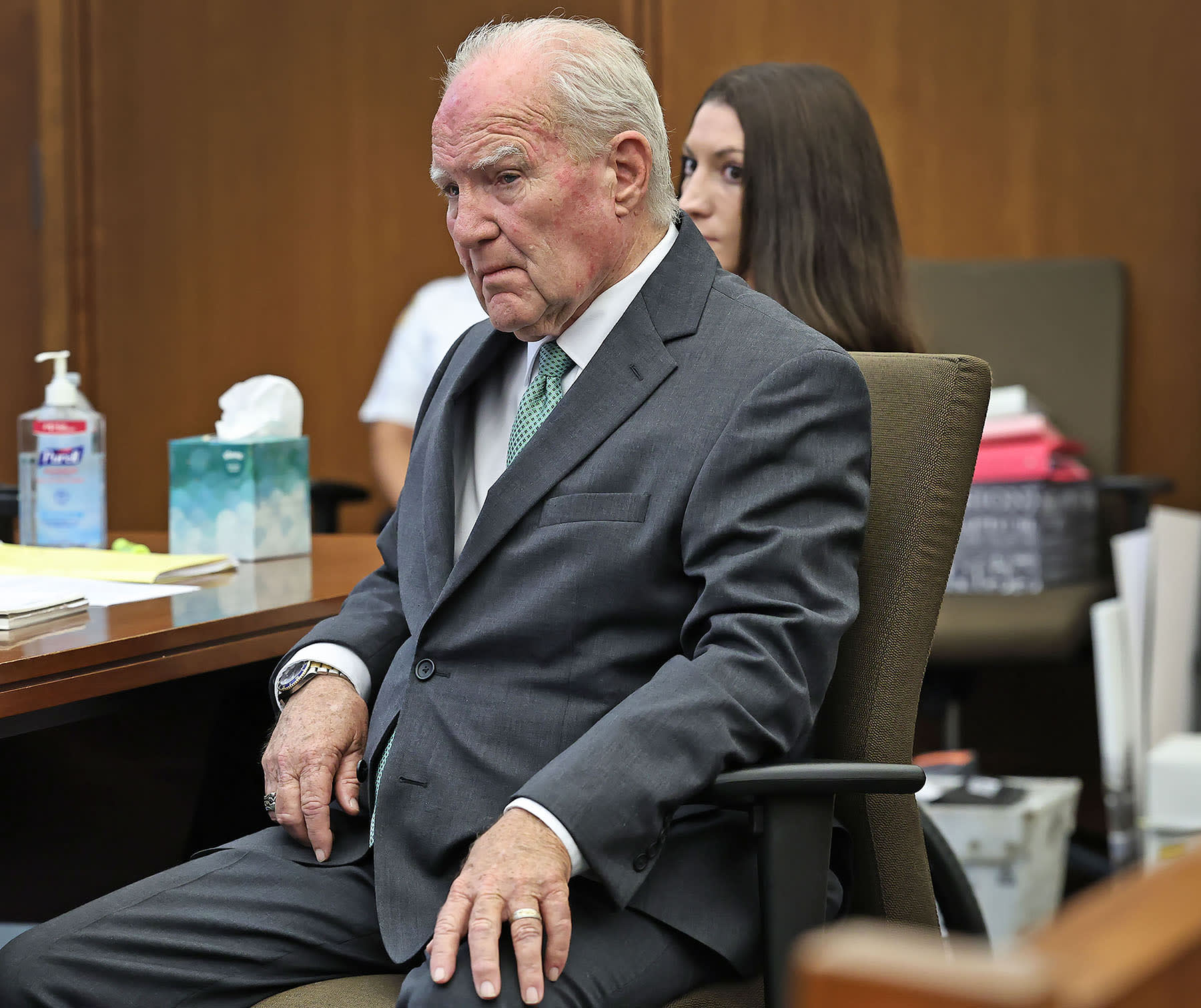
During the trial, defense attorney Kevin Reddington probed Dr. Gregory Saathoff about whether Clancy’s choice to avoid medication due to its side effects was reasonable. Saathoff acknowledged the severity of the skin reaction to lamotrigine but maintained the drug’s benefits are significant.
The prosecutor’s final witness, Gregory Saathoff, faced questions about his experience with postpartum psychosis. He cited cases from the 1980s and 1990s and expressed belief in Clancy’s capacity to discern right from wrong on the night of the murders.
Saathoff’s Assessment and Medication Dismissal
Saathoff noted Clancy was motivated to commit the murders when home alone, showing her awareness of time and opportunity. He explained her medication—a low-dose antidepressant—was even safe for children.
Saathoff articulated that those experiencing psychosis might choose not to act on hallucinations, stressing the disconnect in Clancy’s claimed auditory prompts and the absence of specific directives.
Day 21 Continues
On day 21 of the trial, discussions resumed with Saathoff under prosecution questioning, focusing on Clancy’s control during the murder event. His analysis suggested Clancy maintained control despite alleged psychosis.
Trial’s Broader Impact
Nichelle Milford Cook, attentive to the trial, is examining maternal healthcare lapses, aiming to prevent similar tragedies. The Clancy case, highlighting gaps in mental health support, resonates with national cases facing court soon. Cook, with a legal and maternal health background, identifies missing links in care provided to Clancy, critiquing her treatment by Dr. Jennifer Tufts.
Observers and analysts outline the trial’s competing narratives. Forensic psychologist Kirk Heilbrun emphasized Clancy’s morality awareness, bolstering the prosecution’s claim of criminal responsibility.
Despite acceptance of her actions, the trial mainly seeks to ascertain Clancy’s criminal accountability, considering her mental health defenses.
The jury is left to resolve whether Lindsay Clancy bore criminal responsibility for the deaths, shaping their deliberations starting Friday after tomorrow’s closing arguments.
Leave a Reply