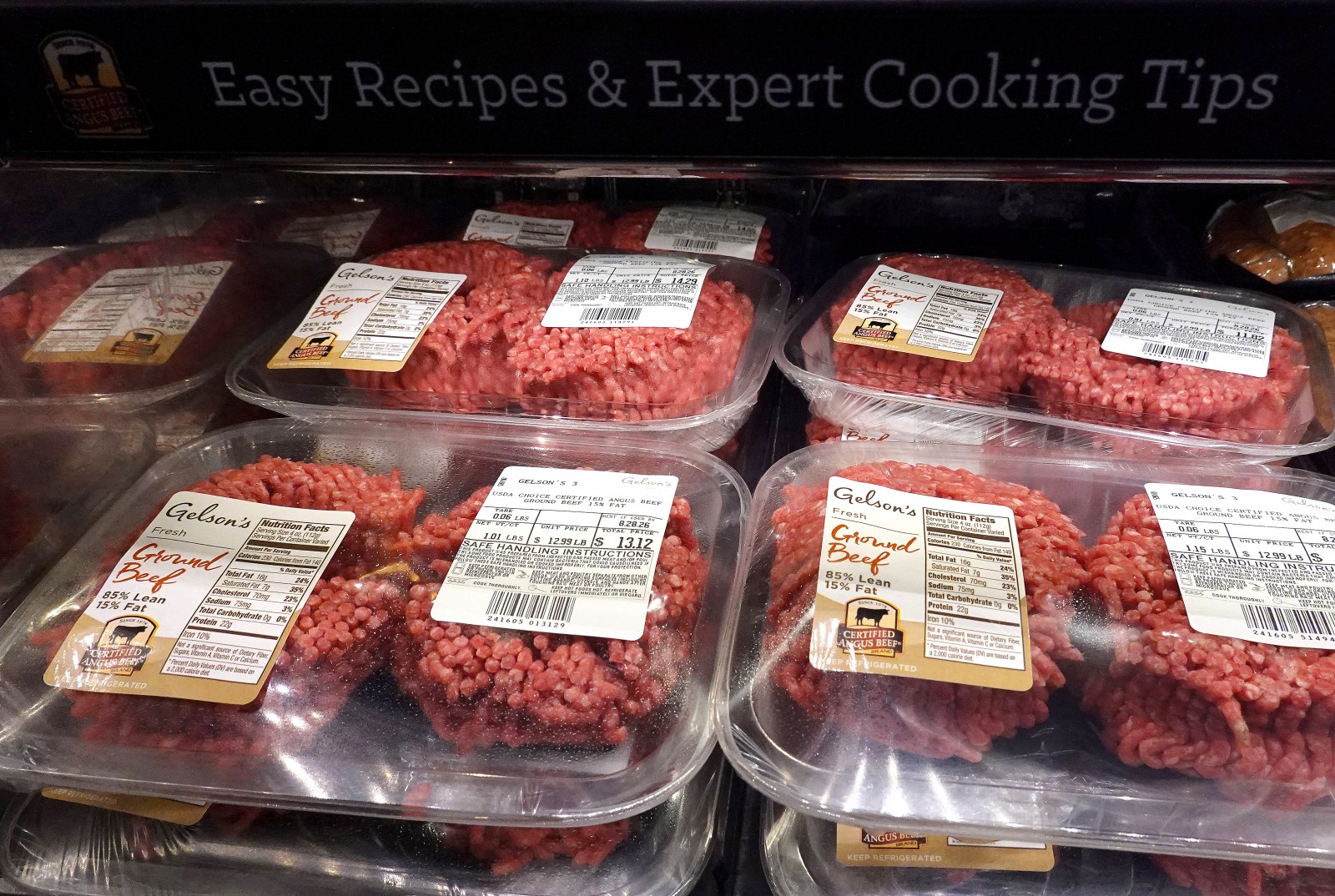
Donald Trump aims to address rising beef prices by permitting a temporary inflow of foreign ground beef. The plan is for 300,000 metric tons of beef to enter the U.S. under reduced tariff rates for 90 days. Trump suggested that this could lower beef costs by 25% amid growing cost-of-living concerns.
Expert Opinions
Ben Spell, founder of Good Ranchers, labels this approach a short-term fix. Spell argues that persistent issues like drought and high feed costs are the main causes of increased beef prices. He questions the effectiveness of importing more foreign beef as a long-term solution.
Industry Concerns
The policy lacks details on beef origin, sellers, and consumer savings. Farm groups and GOP lawmakers typically aligned with Trump have questioned the strategy. Spell emphasizes the disconnect between American ranchers rebuilding herds and competing against cheap imports.
If meat is imported, it should be labeled with its origin to maintain transparency and quality,said Spell.
The absence of Country of Origin Labeling laws for beef since 2015 complicates this transparency. Without such laws, consumers lack crucial information to make informed choices, potentially preferring American beef over imports.
Record Beef Imports
The U.S. has seen record beef imports from various countries, including Mexico and Canada. No confirmation exists on the sources for this new import plan. Nonetheless, there is speculation about Brazilian beef entering the market due to existing trade dynamics.
David Anderson from Texas A&M University suggests that imports might pressure wholesale prices but notes the uncertainty regarding actual grocery store price reductions.
Challenges for U.S. Ranchers
Senator Tim Sheehy expresses concern over the impact on American ranchers, who contend with large processors dominating 85% of beef processing. Trump’s decision may complicate efforts to rebuild domestic herds.
Long-Term Herd Rebuilding
Bill Bullard of R-Calf USA criticizes increased imports as counterproductive to domestic herd rebuilding. Rebuilding requires producers to hold onto breeding stock, a decision made challenging by uncertain future prices.
Dan Varroney, author of Rethinking Economic Growth, states that a dwindling U.S. cattle herd necessitates investment into breeding. The planned imports could diminish producer confidence, hindering herd expansion.
Cattle producers need consistent support to retain breeding animals, which influences future supply,Varroney explains.
Future policy decisions should consider incentives for younger generations to enter cattle farming and contribute to rebuilding efforts, Spell of Good Ranchers concludes.
Leave a Reply