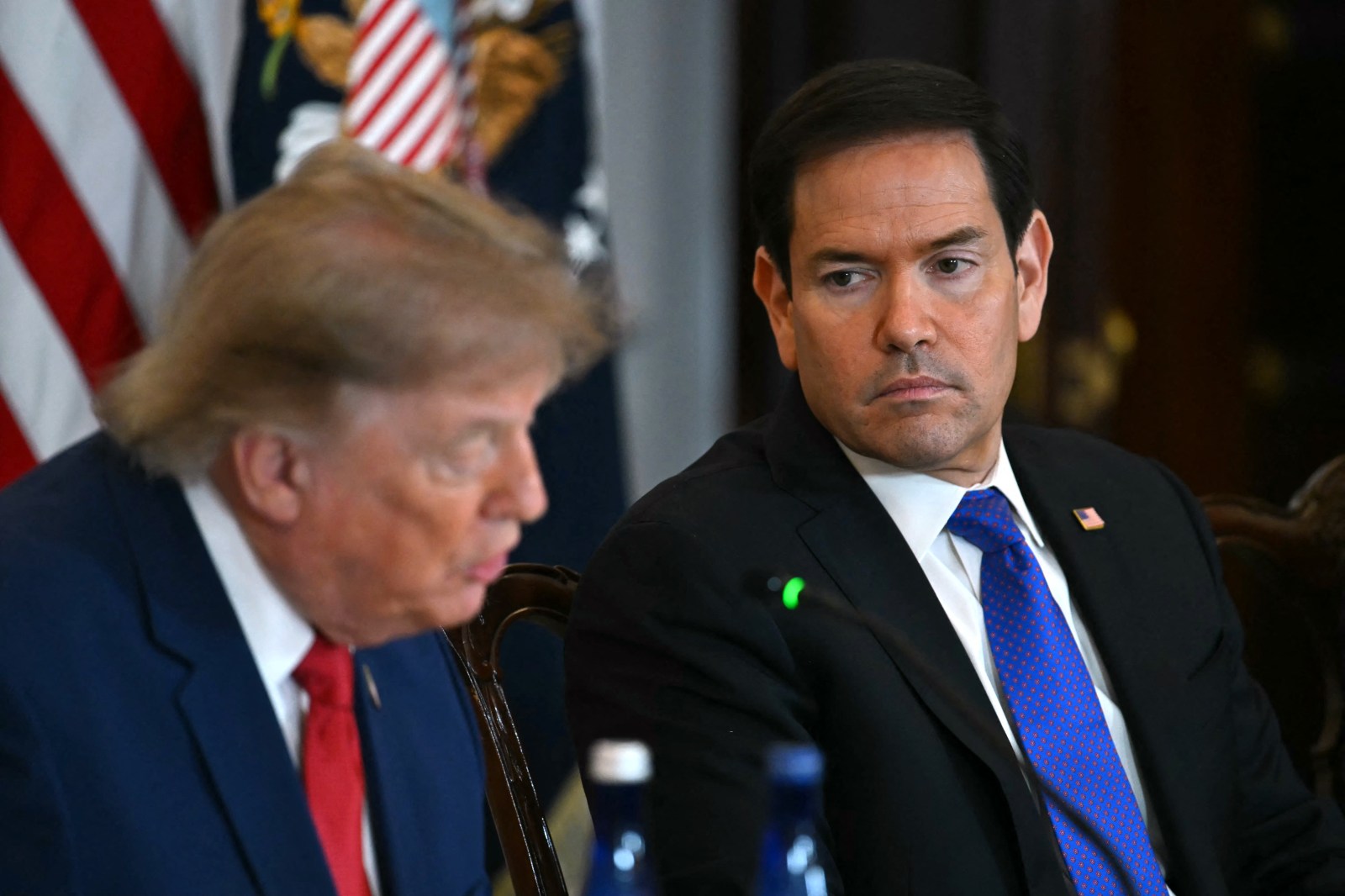
Secretary of State Marco Rubio has built his career on opposing the Venezuelan government led by Chavismo. However, the recent oil agreement between the Trump administration and the government of interim President Delcy Rodríguez positions him awkwardly. The deal, announced by President Donald Trump on Truth Social, involves a joint venture to develop Venezuelan oil fields. This development raises questions about Rubio’s political future, particularly among his Venezuelan and Cuban supporters.
Details of the Oil Agreement
The agreement focuses on developing 17 oil fields with a proven capacity of 65 billion barrels. The United States gains a 55 percent stake, through ownership and favorable purchase terms. Trump’s administration and Venezuelan officials have touted the joint venture as a major success. However, the Venezuelan government’s concession duration remains unclear, with differing reports stating it could last anywhere from 25 to 100 years.
Criticism and Backlash
Critics, including Harvard economist Ricardo Hausmann, express disappointment with Rubio’s involvement in the deal. Hausmann argues that Rubio has forfeited the trust of Venezuelans by engaging with their oppressors. He highlights the alleged illegitimacy of the deal, citing Delcy Rodríguez’s lack of constitutional authority.
Challenges for Rubio
The criticism has extended to Alejandro Betancourt López, the businessman overseeing the project. Betancourt is controversial due to his past affiliations and legal troubles in the United Kingdom. Additionally, former U.S. ambassador Michael McFaul argues that partnering with Rodríguez is both unethical and impractical.
Public opinion in the United States reflects unease with the agreement. A Quinnipiac University poll shows a majority opposing U.S. control or oversight of Venezuelan oil resources.
U.S. Government’s Position
In response, a U.S. official describes the venture as a private arrangement, not a political alignment. The deal grants a private company long-term rights to significant oil reserves without taxpayer expense, intended to benefit U.S. strategic needs. However, this has not lessened criticism, particularly regarding Betancourt’s involvement.
Rubio’s Political Calculations
This controversy is not Rubio’s first disconnect from his base. His previous stance on Temporary Protected Status for Venezuelans also triggered backlash. Polls indicate a risk to his support; nearly half of Florida’s Venezuelan Americans reported they would withdraw support if Rubio opposed permanent legal status for TPS holders.
Broader Political Implications
Representative María Elvira Salazar faces similar pressure from her constituents, indicating growing dissatisfaction within Miami’s Hispanic community regarding current policies. This reflects changing political dynamics in regions once reliably Republican.
While opinions vary on the long-term political impact for Rubio, experts like Will Freeman believe his support will remain largely intact due to existing partisan perceptions. However, the success of the oil deal, particularly in the context of Venezuela’s long-sought democratic elections, will ultimately shape Rubio’s political fortunes.
Leave a Reply