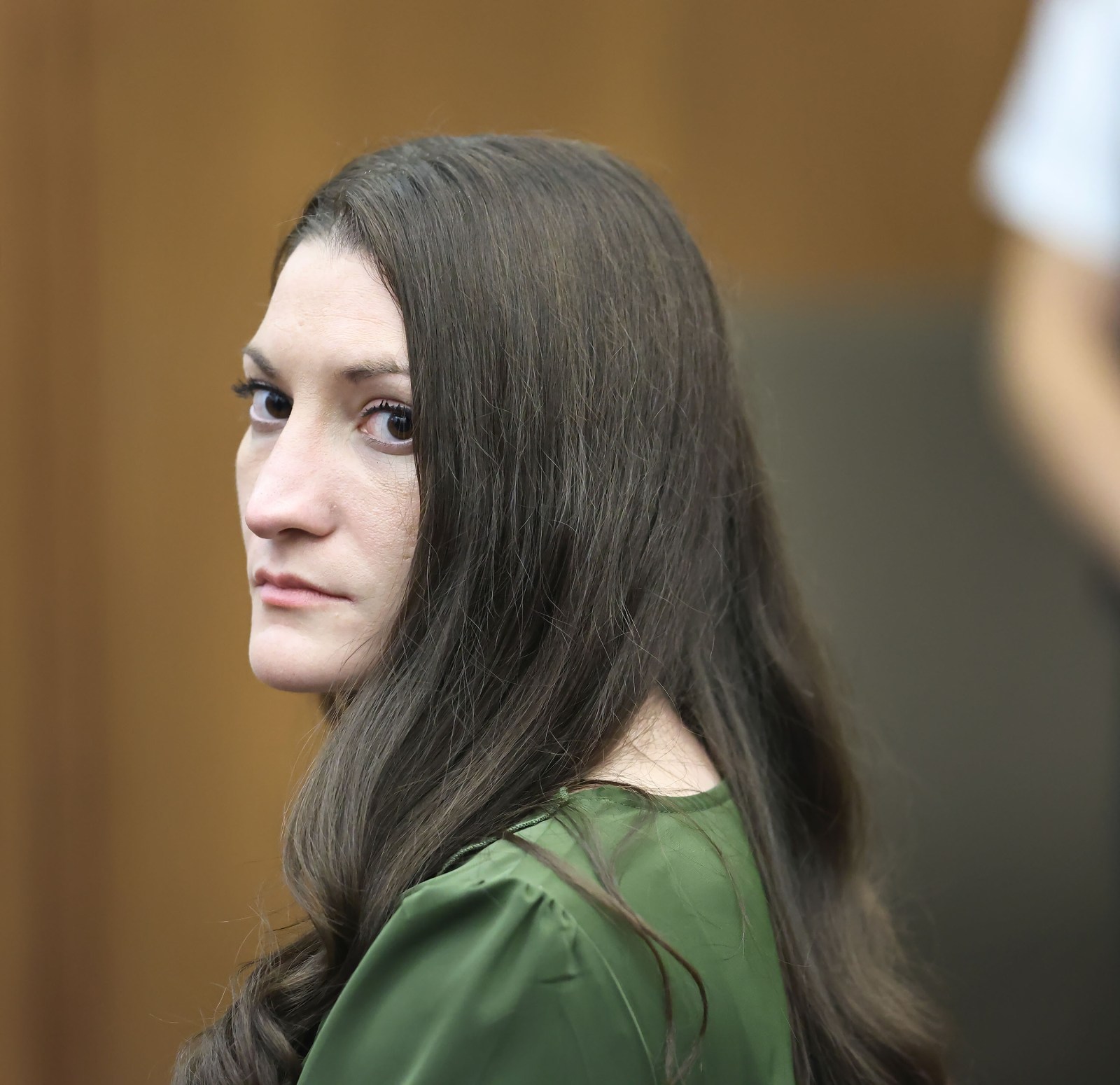
The jury is determining the fate of Lindsay Clancy, following a murder trial that has garnered substantial attention. After three days, no verdict has been reached. This deliberation comes after lengthy testimony at Plymouth Superior Court. Jurors are expected to continue on Tuesday.
Case Overview
Clancy, a former nurse, pleaded not guilty due to lack of criminal responsibility for the deaths of her three children – Cora, Dawson, and Callan. The defense concedes her role in the deaths but contests her criminal responsibility due to severe postpartum psychosis. Her defense highlights a break from reality during the crime.
Prosecutors agree on Clancy’s mental health struggles but maintain she acted with intent. They presented evidence of planning, including her actions prior to the incident.
Verdict Possibilities
1. Not guilty by reason of lack of criminal responsibility
A verdict of lack of criminal responsibility could lead to Clancy’s commitment to a psychiatric facility rather than immediate release. Her release would depend on evaluations affirming she is no longer a danger.
2. Not guilty
An outright acquittal would require proving charges beyond reasonable doubt were unmet. This differs from a decision based on mental illness grounds.
3. Guilty of first-degree murder
A first-degree murder conviction results in life imprisonment without parole, holds Clancy fully responsible and dismisses the mental illness defense.
4. Guilty of second-degree murder
A second-degree conviction implies responsibility, unlike first-degree, but allows parole eventually.
5. Guilty of manslaughter
Manslaughter, lesser than murder convictions, involves being responsible without fulfilling murder criteria, with a maximum 20-year sentence per count.
6. Hung jury
A hung jury could lead to a mistrial, leaving room for retrial if jurors remain deadlocked.
Clancy’s Mental State
Kevin Reddington, Clancy’s attorney, describes her as frightened. He stresses the anxiety over a possible life sentence.
The trial has delved into Clancy’s mental deterioration linked to postpartum psychosis. The defense emphasized her severe delusions. Dr. Phillip Resnick, a psychiatrist, corroborated Clancy’s psychosis claims.
Prosecutors, however, argue Clancy’s actions showed awareness and control, undermining the insanity defense. They scrutinized her claims of auditory commands during the crimes.
Key Question for Jurors
Central to the case is whether Clancy’s mental state excuses her legally. Was she in control, as the prosecution claims, or gripped by psychosis, as the defense argues?
Patrick Clancy’s Role
Patrick Clancy, the children’s father, found them after the incident. While a key prosecution witness, his testimony has been complex. He expressed forgiveness, believing his wife didn’t intend harm prior to her breakdown.
His testimony offered insights into family dynamics and Clancy’s mental struggles. It provides context along with expert psychiatric testimony.
Lindsay Clancy’s trial has concluded, but the deliberation phase continues. Jurors work through the evidence, attempting to reach a unanimous verdict. The outcome remains to be decided by the panel, considering the intricate details of the case.
Leave a Reply