Federal Concerns Over Voter ID and Citizenship Verification
A Trump administration official criticized California’s voter ID rules, claiming that the state fails to verify voters’ citizenship status. This criticism follows a plan by the federal government to intensify scrutiny of voter fraud in several states. In an interview, U.S. Attorney for Central California, Bill Essayli, voiced concerns about the honor system used for voter registration, lacking citizenship checks.
His comments came as the Department of Homeland Security (DHS) prepared to announce deeper investigations into voter fraud, targeting states like New York, Pennsylvania, and California. Fox News reported the DHS initiative with further details anticipated shortly.
“While ICE Homeland Security Investigations is not able to comment on any active investigations, HSI is actively rooting out and investigating election fraud wherever it can be found,” a DHS spokesperson stated.
Current Voter Registration Processes in California
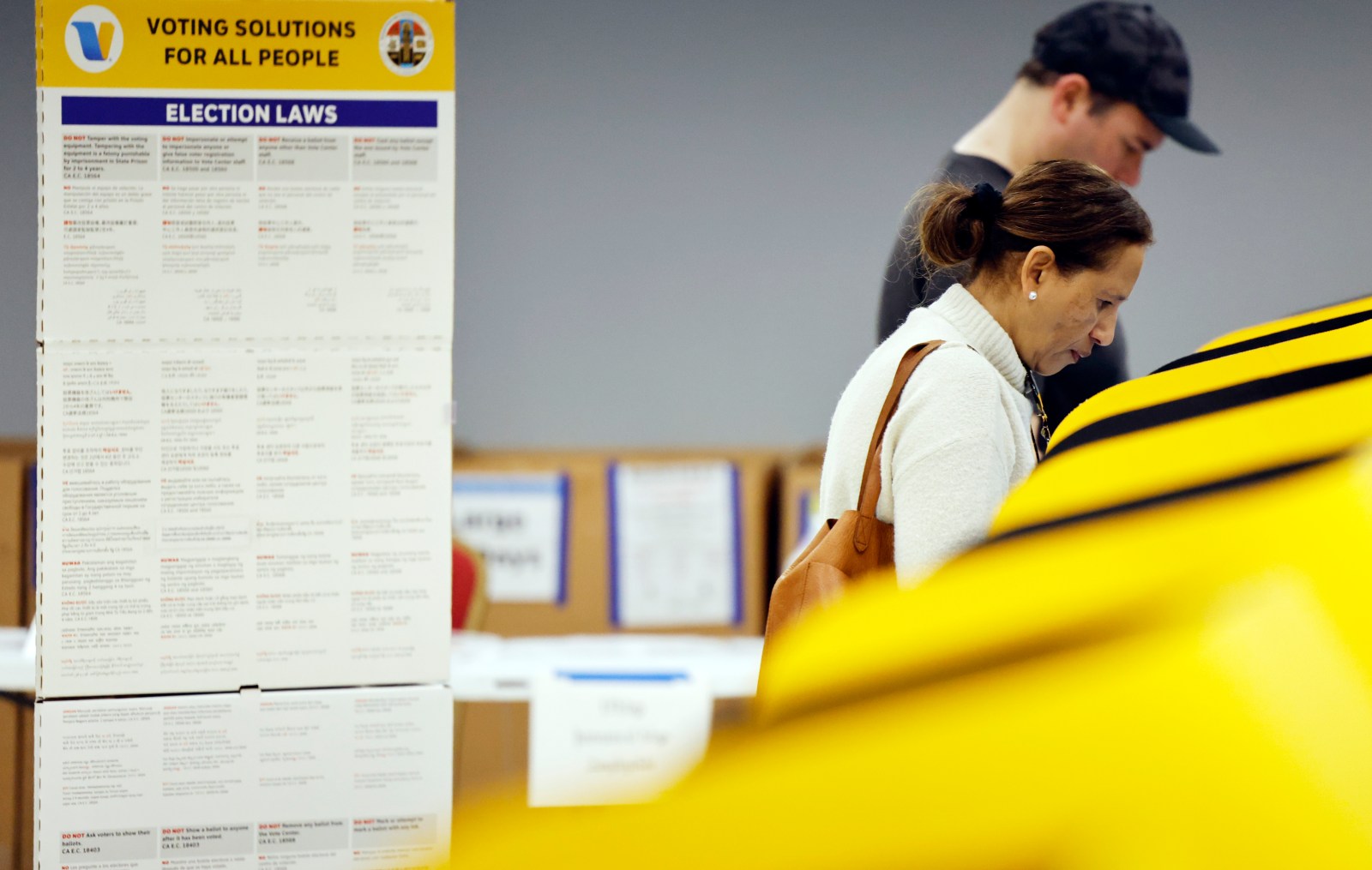
In California, voters attest to their citizenship on the registration form. A citizenship box must be checked to accept the application. However, the state does not generally require documentary proof of citizenship. Instead, applicants provide a driver’s license number or the last four digits of their Social Security number, which are then verified against government records.
California requires voters to be U.S. citizens, California residents, and at least 18 years old on Election Day.
Voter ID Laws Across the U.S.
States have diverse approaches to voter ID requirements, with 36 states enacting laws requiring voter identification at polling stations. Some require photo-ID, while others allow alternative identification methods. The National Conference of State Legislatures notes a growing trend for states requiring documentary proof of citizenship under certain situations, like Arizona and Georgia.
California’s Potential Changes—Proposition 39
California voters are set to decide on Proposition 39, which mandates presenting government-issued ID at the polls and heightens citizenship verification using government data. Proponents argue this change aligns California with other states and can enhance public trust in election outcomes. Opponents warn this might adversely impact lower-income voters and seniors.
National Impact and Ongoing Debates
The debate in California is emblematic of the broader national dispute over voter ID and citizenship verification. President Trump has advocated for stricter citizenship verification measures to preserve election integrity.
A spokesperson from the DHS highlighted the role of the SAVE program which has significantly enhanced voter verification processes, identifying potential non-citizens on rolls and referring cases for investigation.
Critics argue that voter fraud is rare and new requirements may deter eligible citizens due to documentation burdens. Federal courts have scrutinized these proposals, raising concerns over potential hurdles for voters lacking easy access to necessary documentation.
Efforts continue in Congress to impose uniform standards for voter identification, while opponents suggest leaving control to states to handle election processes.
Leave a Reply