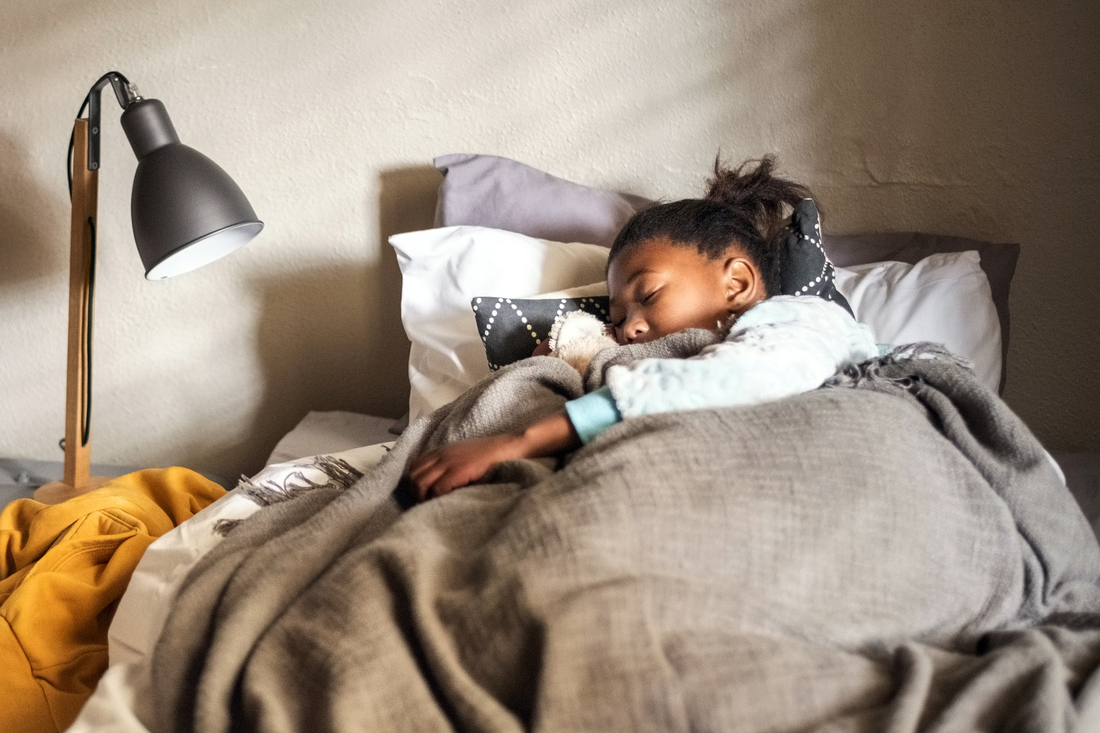
Getting enough sleep enhances focus, aids in retaining information, and boosts the immune system. However, children often do not consider these benefits. Many parents find bedtime challenging for school-aged children, aged five to 11. Dr. Nilong Vyas, a board-certified sleep consultant and pediatrician who operates Sleepless in NOLA, faced similar challenges with her own children. She offers strategies to help parents establish healthy sleep habits for the entire family.
Create a Bedtime Routine
A good night’s sleep is essential for overall well-being, but falling and staying asleep can be difficult. Life Kit provides resources to improve sleep quality. According to Life Kit’s Guide to Better Sleep, healthy sleeping starts with a routine applying to the whole family. This might involve turning off screens, spending quality time with children, changing into pajamas, brushing teeth, and saying goodnight.
The advantages of a consistent bedtime extend beyond sufficient sleep. “Better opportunities will arise making sleep seem mundane, but consistent sleep hygiene and routines allow kids to excel in school and life,” says Vyas. She emphasizes the need for a routine suitable for your family. Key factors include ensuring adequate sleep, establishing a steady bedtime routine, and maintaining consistent wake times, even on weekends.
Store Away Screens Before Bed
Electronic devices can distract children and prevent sleep. Vyas explains that melatonin, the sleep hormone, is affected by blue light from electronics, which stimulates the retina and prevents drowsiness. “Switch off devices like TVs, iPads, and phones at least an hour before bedtime,” advises Vyas. This wind-down phase benefits from separating school and play items from the bedroom, encouraging kids to associate their bedrooms with sleep.
Consistency Is Key
Consistency is crucial for better sleep. For families adopting new routines, consistency typically brings changes in behavior within three to four days. The American Academy of Sleep Medicine’s review of over 800 articles indicates that school-aged children require nine to 13 hours of sleep, while teenagers need eight to 10 hours for optimal health.
Creating a conducive sleep environment also helps. Vyas recommends blackout curtains to make the bedroom dark, aside from a necessary nightlight. Sound machines can assist children who struggle to sleep through the night. Keeping the room cool helps too; a bedroom temperature between 67 and 69 degrees Fahrenheit supports deeper sleep. While not all homes can meet these conditions, small changes can significantly enhance family well-being.
Be Ready for Bedtime Challenges
As bedtime nears, watch for your child’s sleepiness cues. Vyas advises starting the bedtime routine promptly when signs of tiredness appear. Delays can lead to tiredness without sleepiness, prompting bedtime stalling techniques.
Examples include requests for extra hugs, bathroom trips, or special items like a Band-Aid.
Vyas suggests using a bedtime checklist of everything your family does before bed. Include typical requests such as water, stories, or goodnight kisses. “Once the routine is complete, children can check off items,” says Vyas. It reassures parents that needs have been met and allows a gentle deterrent when children request more as you leave, reminding them their requests have been addressed.
Dr. Vyas’ checklist can guide you in creating family sleep schedules.
The podcast portion of this story was crafted by Janet W. Lee, with engineering by Stuart Rushfield. Share your life hacks with us at 202-216-9823 or [email protected]. Your tip might feature in a future episode. Subscribe to our Life Kit newsletter for more insights.
Leave a Reply