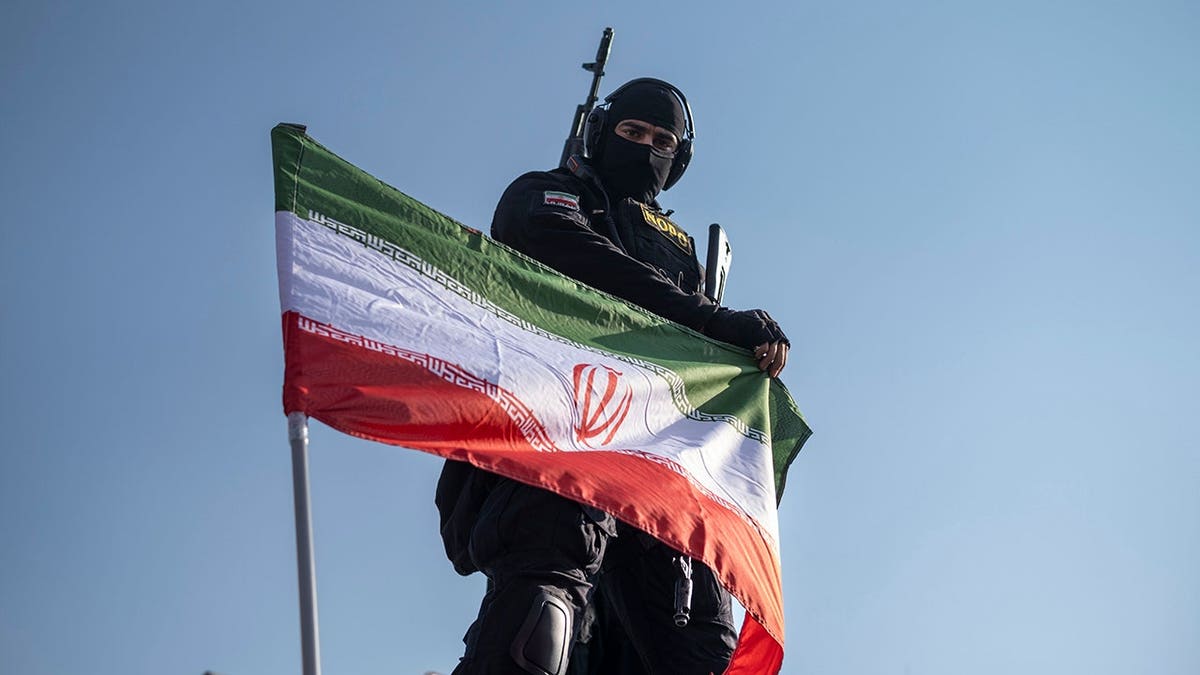
U.S. and Iran Conflict Intensifies
Recent events have showcased a significant escalation in tensions between the United States and Iran, marked by reciprocal strikes. Fox News’ chief foreign correspondent Trey Yingst provided insights from Tel Aviv, detailing the situation as retired Navy captain Brent Sadler offered analysis on the U.S. Central Command’s operations.
These strikes targeted Larak Island in the Strait of Hormuz, following Iran’s missile attacks on U.S. military bases in Jordan. As part of these developments, multiple U.S. embassies across the Middle East alerted citizens of potential threats and advised caution.
Embassy Warnings and Central Command Actions
U.S. embassies in Jerusalem, Jordan, and Qatar issued warnings concerning unexpected escalations. They advised Americans in the region to be vigilant, highlighting possible travel disruptions such as flight cancellations and airspace closures.
In a statement released by CENTCOM, it was declared that forces initiated strikes on Islamic Revolutionary Guard Corps (IRGC) targets. This action was a direct response to attempted IRGC attacks on commercial shipping and American personnel in the region.
“The strikes follow recent attempted attacks by the IRGC against commercial shipping in the Strait of Hormuz and against American service members deployed to the region,” as stated by CENTCOM.
Trump’s Commentary and Strategic Strikes
Former President Donald Trump addressed the situation on Truth Social, emphasizing the U.S. response with powerful strikes. He warned Iran of potential retaliation, suggesting that any counteraction would be met with even stronger responses.
The U.S. had targeted Iranian rocket launchers on Larak Island. CENTCOM revealed these rockets were poised to deploy sea mines into the strait, prompting the strike.
Iran retaliated with the launch of eight ballistic missiles targeting U.S. bases in Jordan. However, all were successfully intercepted, preventing intended damage.
Complex Security Environment
The embassy statements underlined the continuous complexity of the security environment due to Middle East tensions. There is an ongoing risk for U.S. facilities and interests globally, emphasizing a need for vigilance.
CENTCOM noted the unpredictable nature of the Iranian regime, as evidenced by recent attacks without warnings. The advisory stressed that the absence of previous attacks does not guarantee the safety of U.S. interests in any country.
“The situation in the Middle East remains fluid,” stated the advisory, highlighting risks to U.S. businesses and institutions overseas.
Military Presence and Monitoring
The U.S. military enforces a blockade of Iranian ports, with Navy E/A-18G electronic warfare aircraft patrolling the Middle Eastern skies. The continual presence underscores U.S. commitment to controlling regional threats.
Leave a Reply