The conflict in Ukraine marks Europe’s deadliest unrest since World War II, and recent developments indicate a potential escalation between NATO and Russia.
Germany’s announcement of Russian involvement in an explosive drone incident at Leipzig airport is a stark reminder of the growing tensions. Franz-Stefan Gady from the Center for a New American Security highlights the strategic nature of these shadow operations by Russia. Such actions disrupt allied unity without triggering NATO’s Article 5, showcasing Moscow’s tactical approach.
Gady warns of NATO’s unpreparedness, as there’s no consensus on response thresholds. Important military capabilities are also depleted, with inventories of missiles and interceptors low due to ongoing conflicts.
Escalation is a political choice. The danger lies in Russia viewing NATO as divided and unresponsive,says Gady.
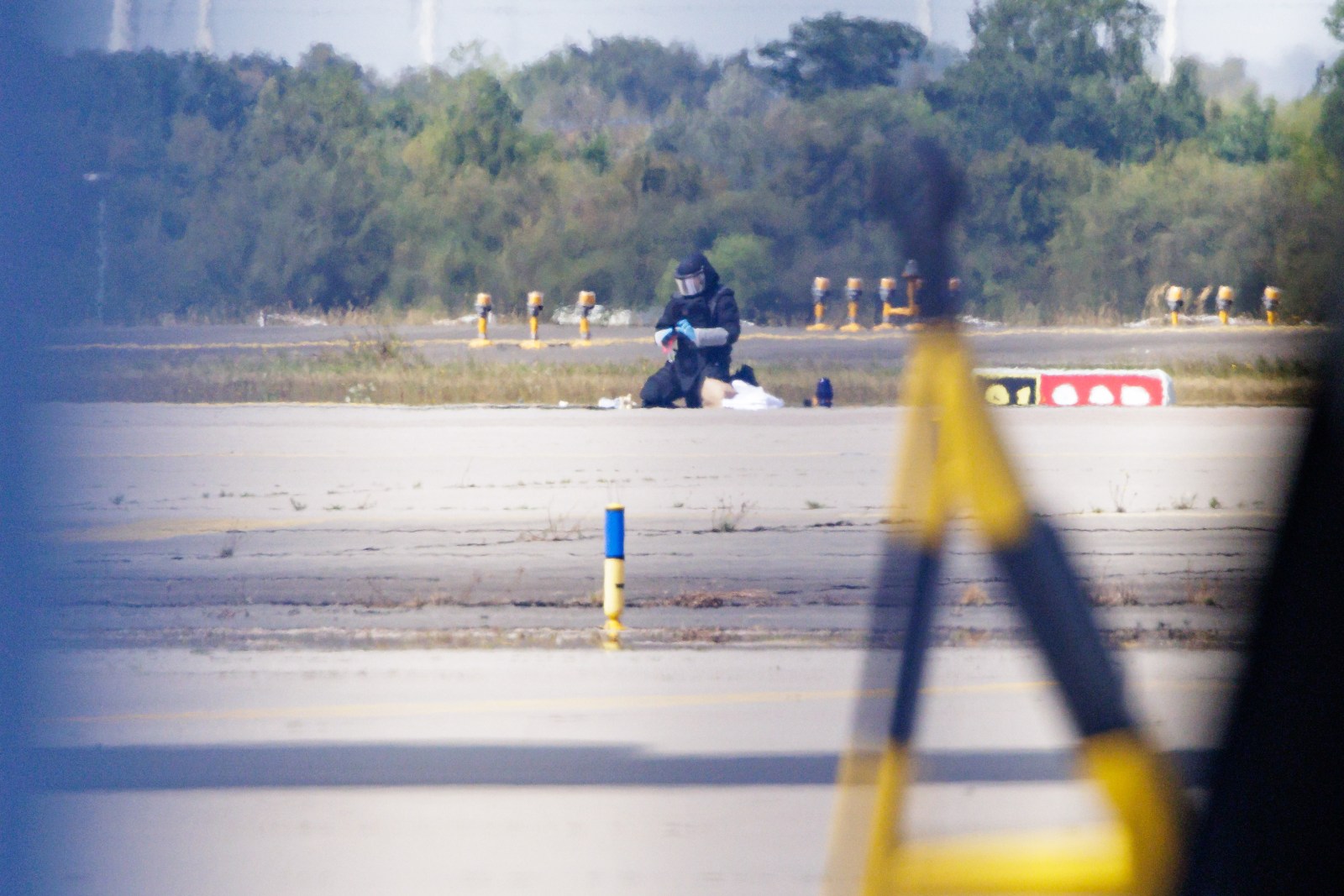
The Leipzig incident involved drones, one carrying explosives, near aircraft supplying ammunition from France. While German officials attribute this to Russian hybrid operations, Russia denies involvement. Tensions have led Germany to take diplomatic and logistical measures against Russia.
As tensions rise, NATO increases military exercises near Russian borders. Dmitry Trenin, an expert in Moscow, comments on the growing risk of conflict. He criticizes European leaders for underestimating Russian retaliation.
Trenin cautions that waning nuclear deterrence is a critical threat, potentially surpassing the Cuban missile crisis in danger. This is due to NATO’s actions, which involve indirectly participating in the Ukraine conflict.
Intersecting Conflicts and Expanded Warfare
Since February 2022, Western powers have supplied extensive aid to Ukraine. Despite past U.S. skepticism, intelligence support remains key to Ukrainian military efforts.
Iranians drones, now part of Russian capabilities, highlight the overlapping conflicts in Europe and the Middle East. Allegations of Moscow aiding Iran in missile development further complicate the geopolitical landscape.
The interconnected nature of these conflicts impacts Europe’s military readiness. Delays in arms supply and criticism from the U.S. underscore existing challenges.
Amid high-level diplomatic contacts, such as the unexpected CIA visit to Moscow, officials stress pragmatic communication with Russia due to its significant nuclear capabilities.
A War Neither Side Desires
Though a direct Russian invasion of NATO territories seems unlikely, ongoing incidents pose risk. Mark Galeotti of Mayak Intelligence suggests that European responses would likely involve cyber tactics or indirect military support to Ukraine, avoiding direct confrontation with Russia.
Both sides aim to maintain their dispute as shadow operations rather than open warfare. Galeotti notes the absence of desire or capability for a broader conflict, emphasizing containment over escalation.
The situation remains delicate, with both NATO and Russia seeking to avoid an open military clash, keeping tensions in the shadows for the time being.
Leave a Reply