Dueling Winter Outlooks: Old Farmer’s Almanac vs. Farmers’ Almanac
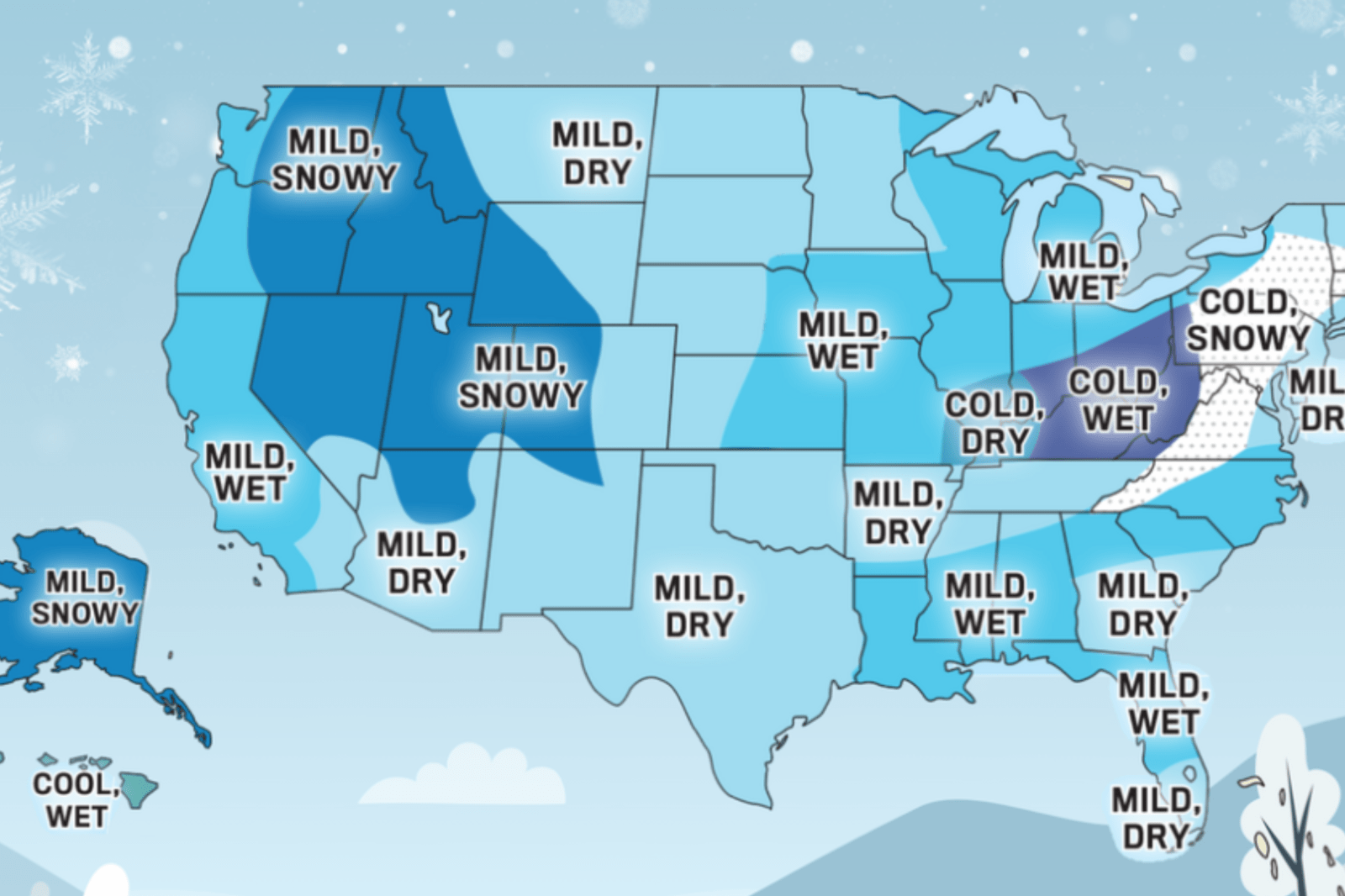
Winter 2026-27 could bring a mix of weather patterns, with forecasts varying between two prominent sources: The Old Farmer’s Almanac and the Farmers’ Almanac. While both predict milder stretches, they differ significantly on where severe conditions might occur.
Forecasts from The Old Farmer’s Almanac
The Old Farmer’s Almanac anticipates a generally mild winter, with exceptions occurring in central New England, the Appalachians, and parts of the West where snowfall levels will exceed usual amounts. Editor-in-Chief Carol Connare notes that, despite milder predictions, there will be regions experiencing cold snaps and significant snowfall.
Predictions from Farmers’ Almanac
Meanwhile, the Farmers’ Almanac emphasizes an active southern storm track alongside sporadic snow and cold weather in the North. Areas like the northern Plains, Upper Midwest, and Great Lakes might see snow squalls even if temperatures remain near average.
Consensus and Contrast in Predictions
Both almanacs agree that northeastern regions will face harsher winter conditions, with central New England expected to receive colder and snowier weather by The Old Farmer’s Almanac, paralleling the Farmers’ Almanac’s anticipation of heavy snow inland during January and February.
In the West, both foresee substantial snow in mountainous regions, although they differ on location. The Old Farmer’s Almanac points to the Intermountain West and Pacific Northwest, while the Farmers’ Almanac looks to the southern Rockies.
Southern and Pacific Northwest Discrepancies
The most pronounced disagreement is in southern U.S. forecasts. The Farmers’ Almanac predicts a wet, stormy season, extending from Southern California across Texas, to the Gulf Coast, and into the Southeast. Cold air interactions could lead to sleet, freezing rain, or wet snow. The Old Farmer’s Almanac favors warmer, drier conditions in Texas, Oklahoma, and the Deep South, with minimal precipitation in Florida.
In the Pacific Northwest, The Old Farmer’s Almanac anticipates wetter conditions and significant snowfall, specifically in late December, mid-January, and mid-February. By contrast, the Farmers’ Almanac describes fluctuating and less predictable snowfall.
Almanacs’ Unique Backgrounds
Historically, both almanacs have different origins and forecasting techniques. Established in 1792, The Old Farmer’s Almanac uses a proprietary formula integrating solar activities and meteorological data. Founded in 1818, Farmers’ Almanac relies on a secret long-term formula for its predictions. Despite shared purposes, their forecasts often showcase regional differences.
Leave a Reply