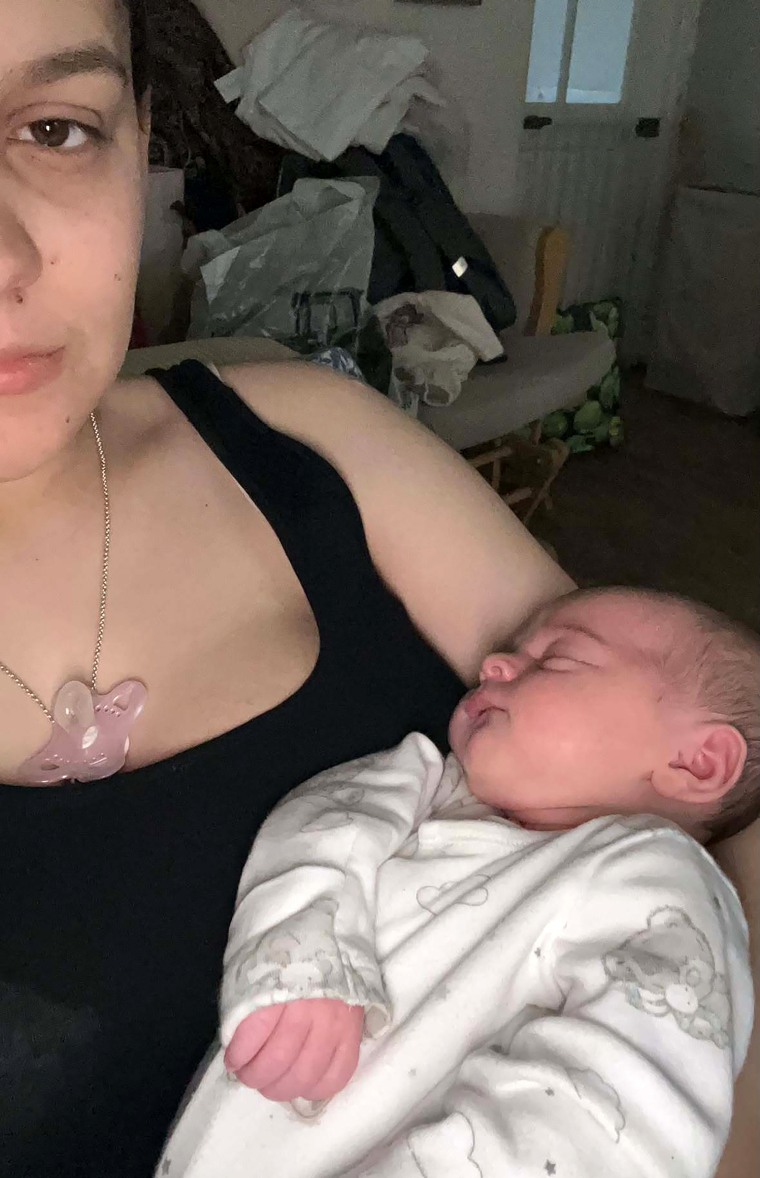
Early in 2023, Sofii Lewis felt a strong disconnect from her newborn daughter, Evie. Despite the joy usually associated with new motherhood, Lewis was gripped by fear and anxiety. She was haunted by the idea that someone might harm Evie and struggled with dark thoughts about harming herself and her child. Living in Aberdare, Wales, Lewis found herself in a precarious mental state.
Even though Lewis recognized the troubling emotions she experienced, she credits the U.K.’s maternal mental healthcare system for saving her and Evie. Diagnosed with symptoms of postpartum psychosis, she began treatment that she believes prevented a tragedy.
Lewis, along with others who have battled maternal mental health challenges, has been following the legal case of Lindsay Clancy. Clancy, accused of killing her three children in Massachusetts, claims she was suffering from postpartum psychosis. The case resonates deeply with Lewis and others, highlighting the severity of maternal mental health issues.
“It could have been any one of us,” Lewis remarked.
The U.K.’s National Health Service (NHS) operates Mother and Baby Units (MBUs), which specialize in treating women with postpartum mental health issues while allowing them to stay with their babies. Lewis spent months in an MBU, receiving care that she believes was vital for both her and Evie’s well-being.
Prominent psychiatrist Veerle Bergink emphasized that the U.K. leads in perinatal mental health care. Unlike the U.S., which lacks unified access to such specialist treatment, the U.K.’s approach is comprehensive. Bergink highlighted that postpartum psychosis includes symptoms such as delusions and hallucinations, stressing the effectiveness of MBUs in treating these conditions.
It is estimated by the NHS that up to 26% of new mothers experience perinatal mental health illness. Despite this, severe consequences like suicide and infanticide are rare. However, the importance of access to support is emphasized by organizations like Action on Postpartum Psychosis (APP), which campaigns for awareness and services.
Despite Clancy’s attempts to seek help, her case underscores gaps in the mental health care system. Her trial has sparked a conversation about maternal mental health needs in the U.S. The jury remains undecided in her case, reflecting the complexity of postpartum mental health issues.
After confinement in the MBU, Lewis and her baby continued receiving care through a community team. Her recovery illustrates the importance of ongoing support. Despite advancements, both Lewis and experts like Dr. Sally Wilson of APP agree more needs to be done globally to support maternal mental health.
For other mothers dealing with postpartum psychosis, Lewis reassures them:
“It doesn’t make you a bad person,” she said. “It’s just part of the illness at that time.”
If you are pregnant or a new mother in crisis, the National Maternal Mental Health Hotline offers free, confidential support 24/7 at 1-833-852-6262. For immediate support, call or text 988 for the Suicide & Crisis Lifeline. Additional resources are available at SpeakingOfSuicide.com.
Leave a Reply