On the night of the June primary, Nithya Raman stood before cheering supporters at a downtown brewery in Los Angeles. She faced familiar challenges: rivals outspending her and critics mocking her online. Her political career seemed uncertain at the time. Raman, running for Los Angeles mayor, initially placed third in early returns, behind incumbent Karen Bass and reality TV personality Spencer Pratt.
Addressing her supporters, Raman expressed gratitude for their help in her campaign, though she appeared resigned to a possible loss. “We may not get an answer we like,” she said. “But regardless of what happens next, nobody — nobody — can take away what all of us have built together.” After her speech, Raman joined supporters on the dance floor, momentarily setting aside campaign pressures.
As more votes were counted, Raman overtook Pratt to challenge Bass in the November runoff. Her late entry into the race surprised many in the political community. Accusations of betrayal emerged due to her running against Bass, a former ally. Despite the odds, Raman’s campaign gained momentum, with Pratt emerging as an unexpected challenger from the right.
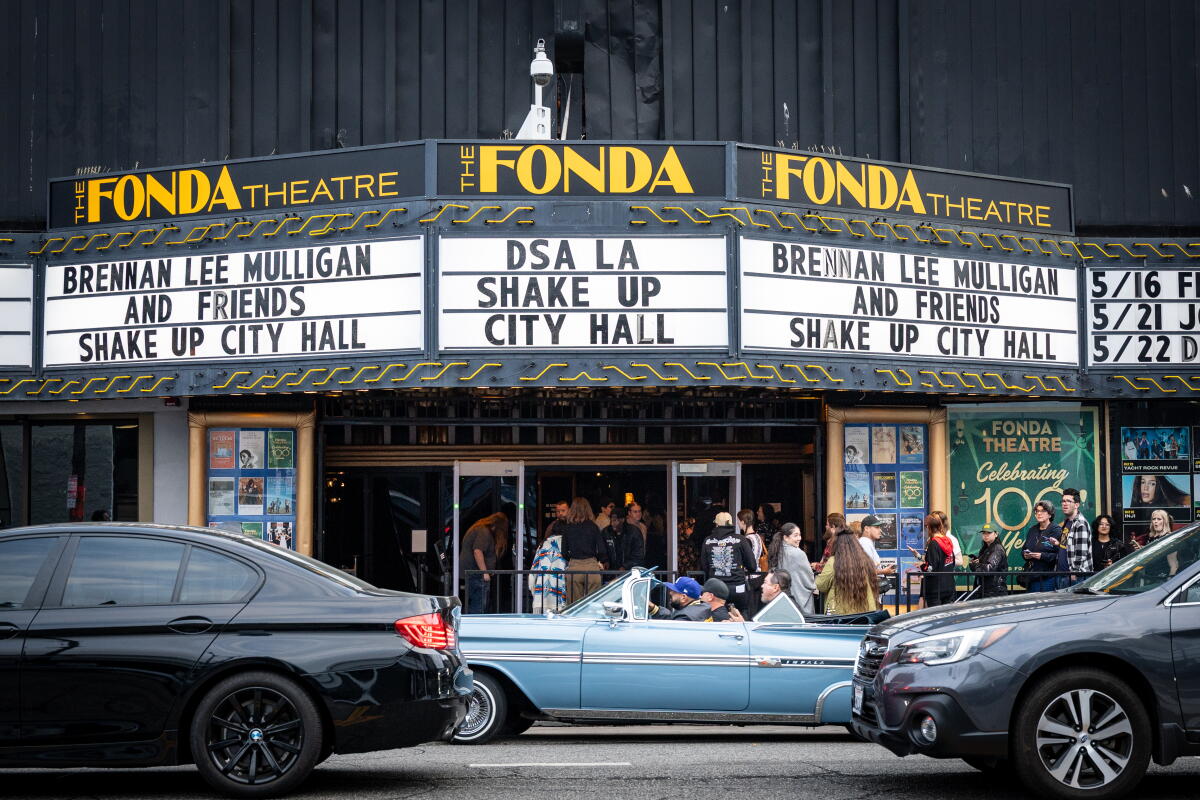
Raman achieved a significant boost with endorsements from the L.A. chapter of the Democratic Socialists of America (DSA) and Unite Here Local 11, a powerful hospitality workers union. These endorsements promised strong get-out-the-vote efforts. Unite Here added working-class credibility to her campaign, while the DSA brought support that had helped candidates in other races across the nation. The endorsements were not certain. The DSA had not officially backed Raman in the mayoral primary despite previous endorsements in her City Council campaigns.
Raman’s track record in surmounting challenges is notable. In 2020, as a political newcomer, she defeated incumbent David Ryu, marking a significant upset in Los Angeles politics. However, her growing influence attracted opposition from city leaders. During a leaked conversation, a strategy was discussed to alter her district boundaries unfavorably during redistricting, an idea met with enthusiasm by some officials.
Despite a censure from DSA-LA for accepting an endorsement from a pro-Israel group, Raman’s political stability remained intact. In the current mayoral race, she raised less funds than top competitors Bass and Pratt and faced criticism on her debate performance. Fellow democratic socialists, Eunisses Hernandez, Ysabel Jurado, and Hugo Soto-Martínez, backed Bass instead.
Raman navigates these challenges by capitalizing on mistakes by Bass, such as the handling of the Lineage warehouse fire. Her ability to mount a comeback is likened to rallying a sports team from behind. Despite the challenges ahead, Raman remains determined. Bass, a formidable adversary who has never lost an election, poses a significant obstacle.
Raman’s main critics on the council — Marqueece Harris-Dawson, Traci Park, and Monica Rodriguez — influence regions vital to her campaign. The DSA endorsement may expose her to accusations of extreme leftism, although her record reflects pragmatism. Spencer Pratt, now a critic of Raman despite earlier targeting Bass, could sway voters who supported him in the primary.
Raman anticipated intense opposition. She reminded supporters that big interests had invested heavily to maintain Los Angeles’ existing political structure, which she opposed. Her father, Venkit, humorously noted her career choice as unconventional for Indian immigrant families, before sharing the meaning of her full name, “Nithya Varsha,” as “forever monsoon.” According to him, this name represents her persistent, life-giving force in politics.
Leave a Reply