A violent incident unfolded in Times Square when a woman armed with kitchen knives attacked two individuals. The attack resulted in the death of a 32-year-old woman and injuries to a 68-year-old man. New York Police Department (NYPD) officers, in their efforts to stop the assailant, deployed Tasers before resorting to firearms when the Tasers failed.
NYPD’s Response
According to Jessica Tisch, the New York City police commissioner, multiple officers attempted to use Tasers to subdue the suspect, Pamela Cisneros, 49. The attempts were unsuccessful during the four-minute confrontation. Cisneros reportedly declared her unwillingness to cooperate, prompting officers to fire, fatally wounding her. She was later pronounced dead at Bellevue Hospital.
Analyzing Taser Effectiveness
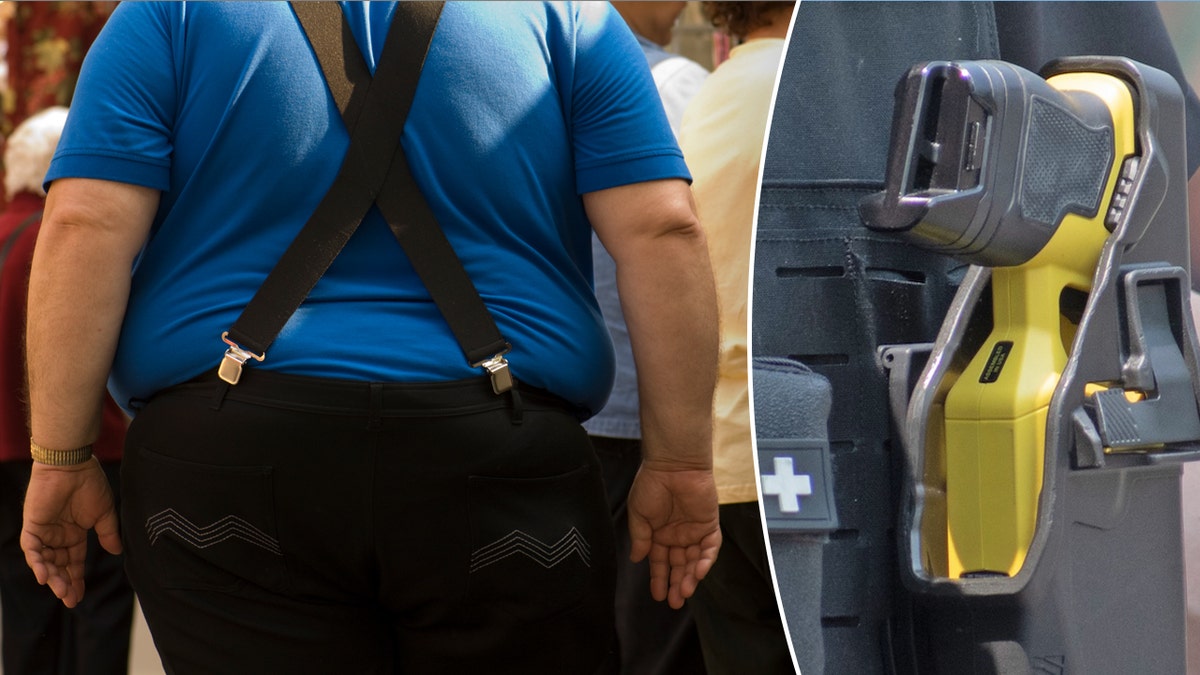
The incident raised questions about the effectiveness of Tasers, particularly in cases involving individuals with certain body compositions. Axon, the manufacturer of Tasers, explains that the device works by firing probes connected by wires, which deliver electrical pulses to induce muscle contractions. For optimal results, probes should make contact with muscle-rich areas such as the back or thighs, spaced at least 12 inches apart.
Steve Keller, a retired police sergeant from Blue Ash, Ohio, noted various reasons Tasers might fail. Issues like clothing, probe placement, and substance abuse might contribute, along with poor connectivity between probes. Moreover, obesity might interfere with effectiveness, as a thick layer of body fat could reduce connectivity and muscle engagement.
Challenges for Law Enforcement
If a probe hits non-muscle areas, such as the abdomen in obese individuals, the Taser’s impact could be compromised. Keller emphasized the importance of proper aim and the challenge of clothing impacting effectiveness. He also mentioned mental health’s role in how a person might respond to a Taser, referencing Cisneros’ documented history of mental health issues with the NYPD.
Expert Insights
Dr. Marc Siegel, senior medical analyst, confirmed that Tasers function more effectively on muscle tissue due to better electrical conduction. Conversely, in obese individuals, it becomes challenging to find optimal areas for electricity conduction, rendering Tasers less effective.
Leave a Reply