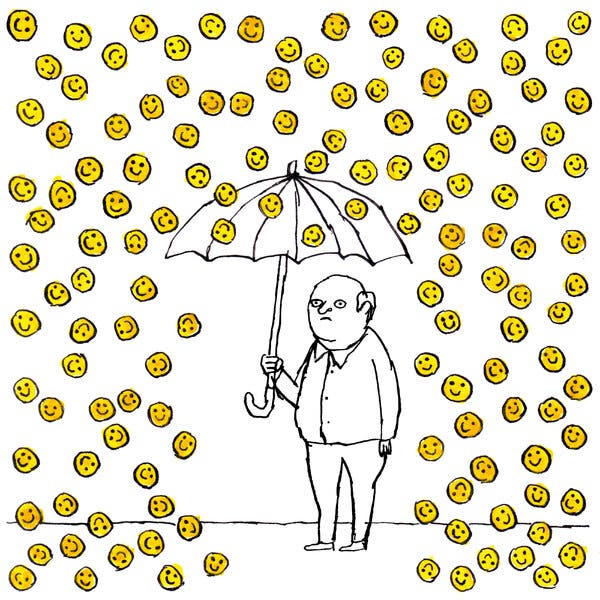
Labor Day has arrived, and you might already be longing for the sound of crashing waves and gentle breezes. Or perhaps it’s the forest’s serene shade where you can reflect in peace that you miss. You’ve discovered what many therapists and yoga instructors might call your happy place.
While such pleasures are lovely, concentrating your life’s happiness solely on these ideals may require reevaluation. Many envision life’s goal as working diligently, achieving success, and then enjoying a comfortable rest of their lives. Picture yourself on a sailboat with no destination, indulging in wine-paired dining in the South of France, or drifting from one music festival to another.
This is often considered happiness, and notable figures might agree. Philosopher Jeremy Bentham advocated for maximizing pleasure and minimizing pain. Oscar Wilde, known for his indulgent lifestyle, expressed no regret in living life for pleasure and stated he pursued it fully.
However, some argue this type of happiness should be approached with caution. I align with this perspective.
German philosopher Arthur Schopenhauer cautioned about two enemies: pain and boredom. We use our intellects to avoid pain, but once pain is absent, our minds continue seeking new goals and distractions, leading us into foolish actions. Such a constant search can lead to gambling losses, broken relationships, and conflicts, since our minds resist idleness. The idealized happy life inevitably invites boredom, which then leads to trouble.
Schopenhauer noted that people counter boredom with numerous distractions like parties, theaters, cards, and travel. Yet these are temporary fixes. Boredom soon returns.
Leave a Reply