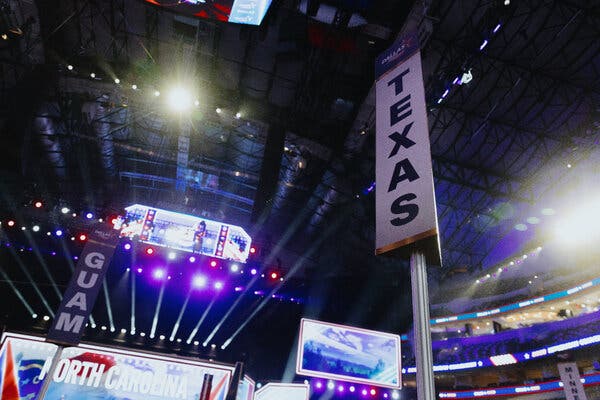
The Republican midterm convention in Dallas is a unique event, being the first of its kind in nearly half a century. Typically, national party conventions coincide with presidential election years. Yet, President Trump initiated this midterm gathering to celebrate his achievements and rally support ahead of pivotal elections.
President Trump, along with members of his cabinet and key party candidates, aims to showcase his administration’s successes. Despite not being on the ballot, he seeks to sway public opinion, especially with recent dips in his approval ratings. Polls suggest dwindling satisfaction with his domestic, foreign, and economic policies. This convention stands as one of his final chances to convince voters before November.
The majority of Republicans, aside from some private disagreements, publicly endorse the convention. Criticisms of Trump’s administration are unlikely to emerge during the event. Instead, focus remains on the following key questions regarding the convention’s potential impact:
Is a Two-Day Trump Rally Beneficial for Republicans?
President Trump currently holds a 38 percent approval rating, according to the New York Times polling average. Traditionally, candidates in competitive races might distance themselves from a president with such figures. However, Trump’s influence within the Republican Party makes distancing risky. He has substantial financial control over Republican campaigns, emphasizing his funding power and influence on the party’s agenda.
The convention speakers list, revealed by the Republican National Committee, includes notable names in battleground races. Speakers feature Senator Jon Husted from Ohio, former Representative Mike Rogers from Michigan, and Michael Whatley, a former R.N.C. chairman now running in North Carolina.
As the party gathers in Dallas, the dynamics of allegiance to President Trump could play a crucial role in shaping the upcoming midterm elections.
Leave a Reply