The concept of an ideal immigrant in the current political climate might resemble those who arrive legally, have a job ready, and depart once their work is completed. This concept is shaping up quickly in Russia, where the Interior Ministry has introduced a new initiative to tackle labor shortages.
Russia’s Immigration Proposal
Russia’s proposal seeks to address its labor deficit by creating a state-managed system to recruit foreign workers. Companies with labor needs would work with a state-run service to find these workers. Once recruited, workers are brought to Russia, housed, and transported to their job sites. Upon completion of their contracts, these workers are sent back to their home countries.
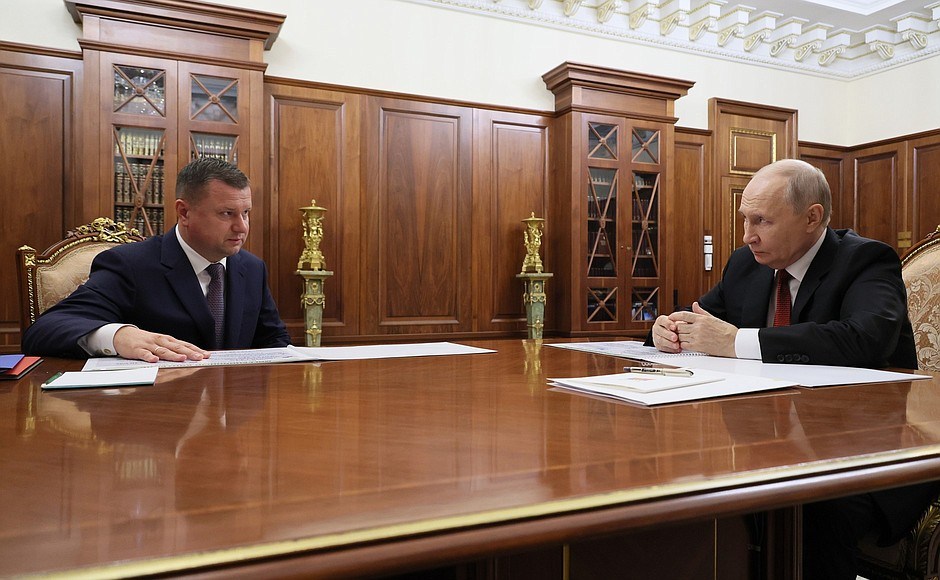
First Deputy Interior Minister Andrei Kikot presented this system to President Vladimir Putin, who labeled it a “civilized method”. This proposed system aligns in certain ways with the U.S.’s approach of increasing temporary visas due to domestic labor shortages.
Labor Shortages and Military Demands
Russia’s unemployment rate was at a historic low of 2.1% in May, with Economic Development Minister Maxim Reshetnikov acknowledging a labor shortage. The conflict in Ukraine has significantly impacted labor availability, with 700,000 Russian troops in the region and 200,000 new military contracts signed within six months. Independent investigations note nearly 250,000 Russian military casualties since February 2022, exacerbating the drain on civilian labor resources.
Demographics also challenge Russia’s workforce, with the economically active 30-to-39-year-old age group expected to decline by 6.3 million by the decade’s end. Deputy Prime Minister Tatyana Golikova has highlighted the urgent need to replace 11.5 million retiring workers by 2032.
Despite these factors, Moscow continues to toughen its stance on immigration. Recent policies have focused on natural reproduction to drive population growth, with a series of new migration laws and deportations already in effect.
The “Home, Work, Home” Model
The core of Russia’s proposal is a “home, work, home” model. This system offers employers the convenience of ordering labor from abroad and sending them home once no longer needed. While the State Duma has yet to vote on this proposal, Putin’s approval indicates potential for quick passage.
Comparisons to U.S. Policies
The U.S., while not facing an identical demographic challenge, also relies heavily on immigrant labor. In 2025, foreign-born workers constituted nearly 20% of the U.S. civilian workforce. The expansion of the H-2B visa program represents efforts to fulfill domestic labor demands despite political rhetoric opposing immigration policy.
In the U.S., migrant workers under programs like H-2A are granted housing, transportation, and certain job-related benefits. Newer rules introduced by the Biden administration allow some flexibility for workers to find new employment within 60 days of losing a job, with certain protections intact under H-2 visa regulations.
Consequences for Foreign Workers
Russian policies continue to tighten around migrant workers. Starting 2027, a law will dramatically increase taxes on foreign workers, especially impacting those with dependent children. Tougher education rules already have reduced the number of nonworking migrants by limiting children’s access to schools.
In the U.S., similar pressures may emerge. The Department of Homeland Security has proposed removing the 60-day grace period for various visa categories, meaning workers must leave the U.S. if their employment ends, except those under H-2 visas who retain current protections.
Russia’s approach models a stringent employment-based solution, with potential implications for labor policies worldwide. The “home, work, home” concept prioritizes work over residency, creating an environment where workers’ existence is purely contractual.
Leave a Reply