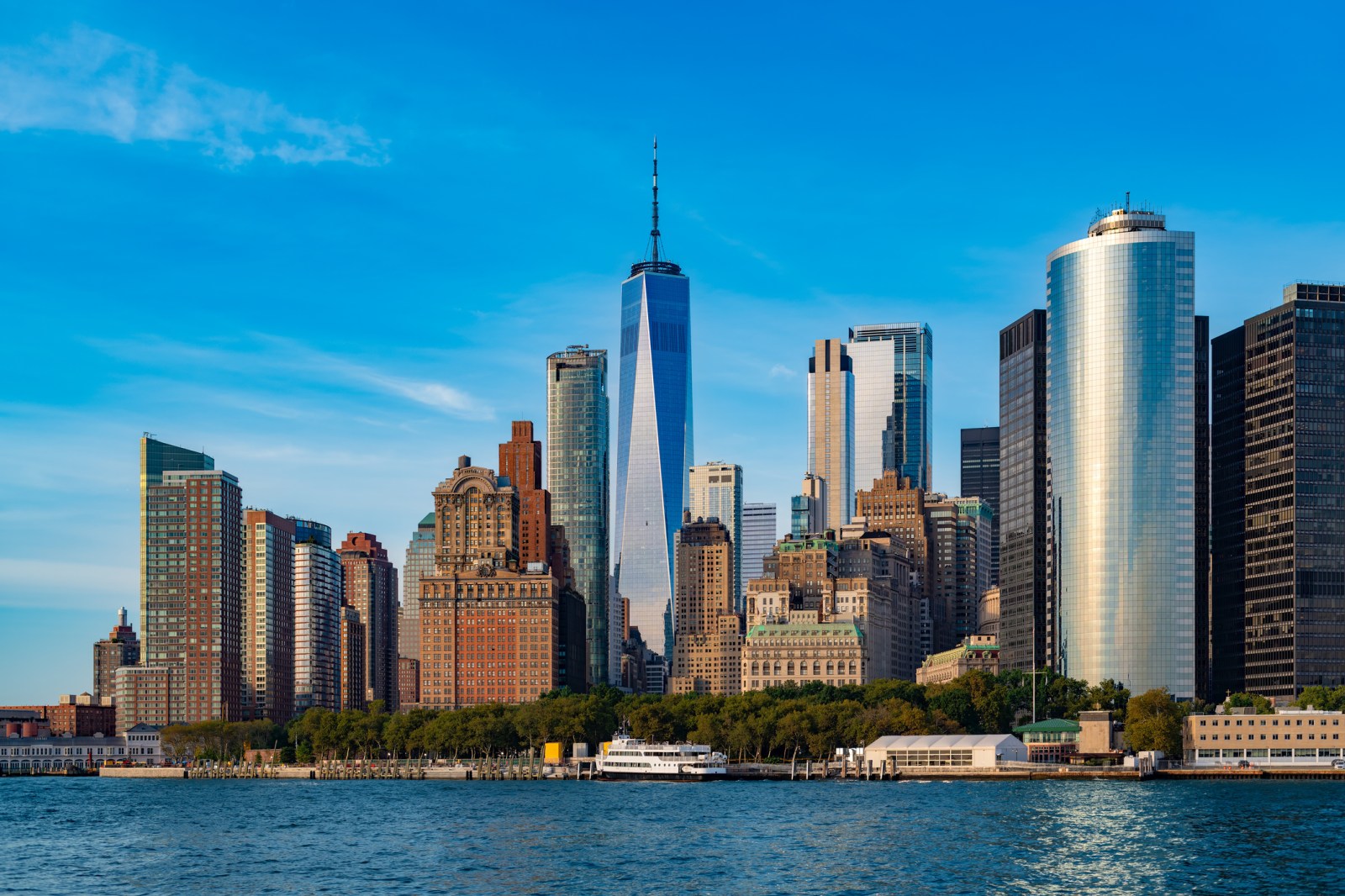
The first impression of seeing New York City often feels cinematic for those visiting for the first time. Emerging from the Fulton Street subway station into the bustling streets of Lower Manhattan is a vivid experience. Countless films have showcased these streets, making the scene feel familiar. For a native, like myself, the city offers a different sentiment. Having grown up across three boroughs, Lower Manhattan holds personal memories.
I attended Stuyvesant High School in this area, a significant part of my teenage years. On September 11, 2001, I was at a philosophy class at Binghamton University, dismayed by the news of the attacks. Stuyvesant High School, situated near the World Trade Center, became an emergency triage center post-attacks. Revisiting the school, weeks before the anniversary of 9/11, evoked strong emotions. The same doors and Battery Park City seemed even more beautiful and timeless.
“It was comforting to see remnants from my school years, like the New Amsterdam Library and local institutions,” I reflected.
Lower Manhattan’s Financial District has transformed dramatically. Once bustling during the day and silent by night, it changed after 9/11, when companies relocated due to unhealthy air conditions. Dana Tamuccio, a local historian, notes the ghost town years were followed by essential residential developments. She has deep ties to the area, losing a sibling in the attacks.
Teresza Stephenson of a local real estate firm highlights office-to-residential conversions, such as 55 Broad Street, contributing to the area’s recovery. Developments like The Greenwich, an 88-story residential tower, also marked significant change. The district’s population increased by 28.6% from 2010 to 2020, showing strong growth.
Today, about 70,000 residents call Lower Manhattan home, as reported by the Downtown Alliance. The Financial District’s transformation attracts both home buyers and renters, boasting a 46.7% annual increase in searches recently. Gregory Davis from Fortress Investment Group mentions that restaurants, retailers, and services have flourished as residents moved in, creating a lively community.
Local artist Tom Christopher discusses the area’s evolution toward a genuine neighborhood where people live, work, and enjoy leisure activities. Beyond the Westfield shopping center at the World Trade Center site, new eateries and venues add to the neighborhood’s charm. Previously unnoticed spots, like the Korean restaurant Koba on William Street, now stand out.
“These venues have transformed the experience of living downtown,” says Stephenson. “Now, you have everything you need within your neighborhood.”
Tourism has also surged, with 8.1 million visitors in 2025. New hotels, such as the W New York Downtown Hotel & Residences, added to the hospitality landscape.
For Tamuccio, this development underscores New York’s resilience. Christopher notes the city’s rebirth after unimaginable loss, creating a thriving, lasting community. My personal journey back to this nostalgic region reminded me of its enduring spirit, similar to reconnecting with a longstanding friend.
Leave a Reply