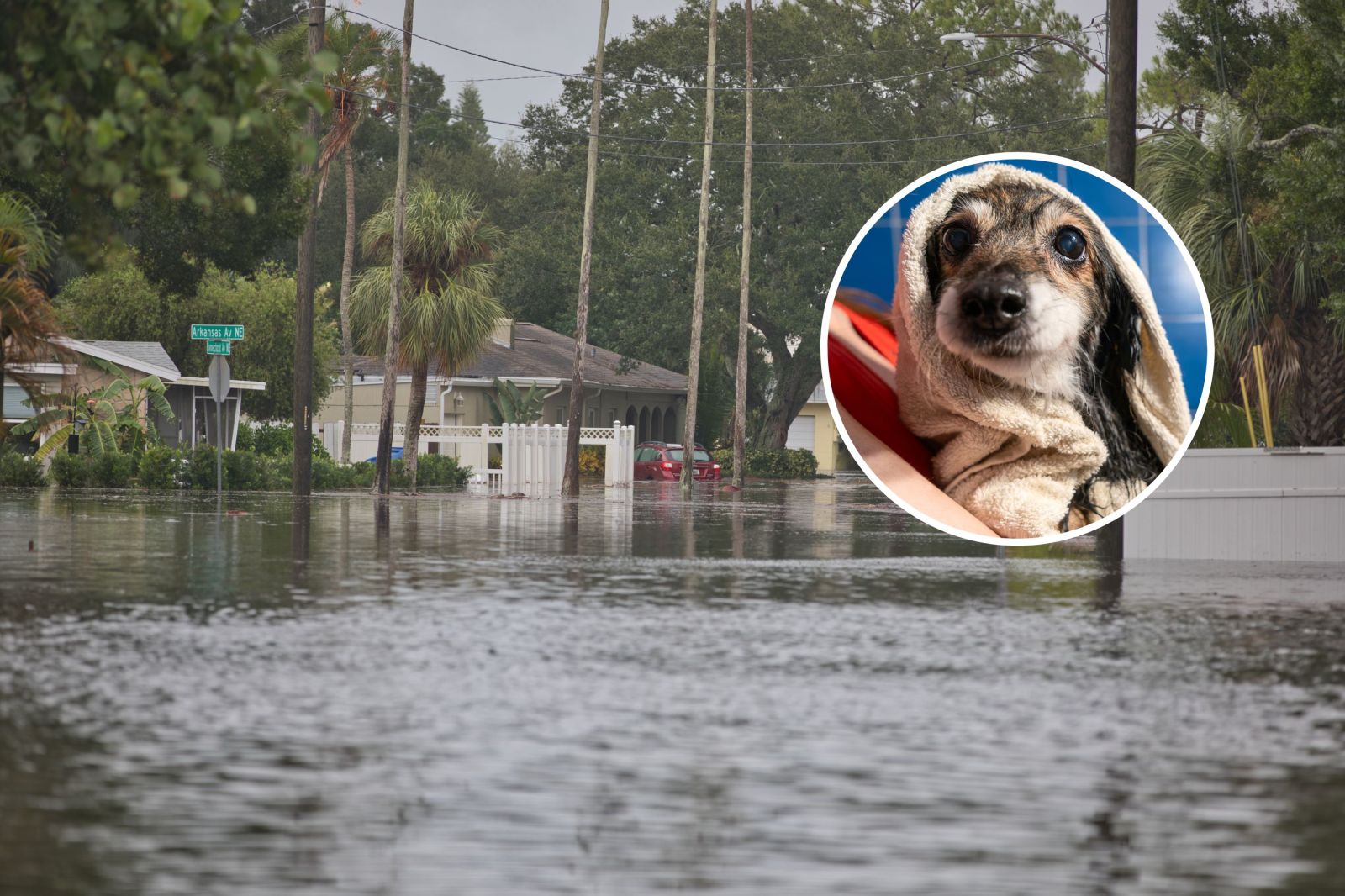
Pet owners should start preparing for a ‘supersized’ El Niño expected this fall and winter. Those caring for livestock face unique challenges with the onset of wet and wintry weather. Forecasts indicate El Niño could peak later this year, with a 75% chance of reaching historic levels from October to December.
Understanding El Niño
El Niño occurs when ocean temperatures in the central and eastern tropical Pacific warm unusually, affecting atmospheric patterns globally. In the United States, El Niño typically brings wetter winters across the southern regions, including California, while the northern areas may be warmer and drier.
Special Preparations for Livestock
Preparing livestock, like cattle, for wet and cold winters differs significantly from preparing household pets. Cody Deluisio, herd manager at Deluisio Angus in Pennsylvania, highlights that cattle rely on their diet to keep warm. Wet conditions can compromise their coats’ insulation, necessitating more feed or shelter from the elements.
Deluisio Angus plans to stock about 30% more hay for the anticipated winter. Managing cattle involves ensuring they have enough food and a suitable environment to stay warm and dry.
Challenges with Wet and Windy Weather
Rain can quickly turn pastures into mud, which poses a risk of injuries and hoof rot. Owners should consider how they will manage high-traffic areas like gates and feeding zones, potentially using mats or concrete surfaces. Drainage and pasture management are essential to keep livestock clean and dry.
Wind protection is crucial as well. While heated barns might seem logical, Deluisio advises against them due to risks of respiratory illnesses. Instead, his farm uses three-sided sheds for ventilation while protecting cattle from rain and wind. Windbreaks offer effective shelter during harsh weather.
Deluisio emphasizes the need to manage the environment and feed rather than relying on artificial heat for their 1,500-pound animals.
Preparations for Dogs and Cats
Preparing household pets like dogs and cats is generally simpler. Ali Smith, a canine behavior consultant, recommends planning based on regional risks. In areas with heavy rain, indoor potty setups might be needed.
For regions prone to flooding or landslides, a structured emergency plan is advisable. This includes knowing safe evacuation routes with pets and ensuring an ample supply of food, water, and prescriptions. Keeping pet identification and veterinary records accessible is critical.
For cats, familiarity with carriers is vital during emergencies. Ensuring a secure leash and harness is available for dogs is also important. Standing or floodwater poses additional hazards. Knowing pet-friendly accommodations can ease stress during evacuations.
El Niño’s impacts vary, and severe weather isn’t guaranteed for all. However, preparing pets and livestock for potential conditions can make harsh winters more manageable.
Leave a Reply