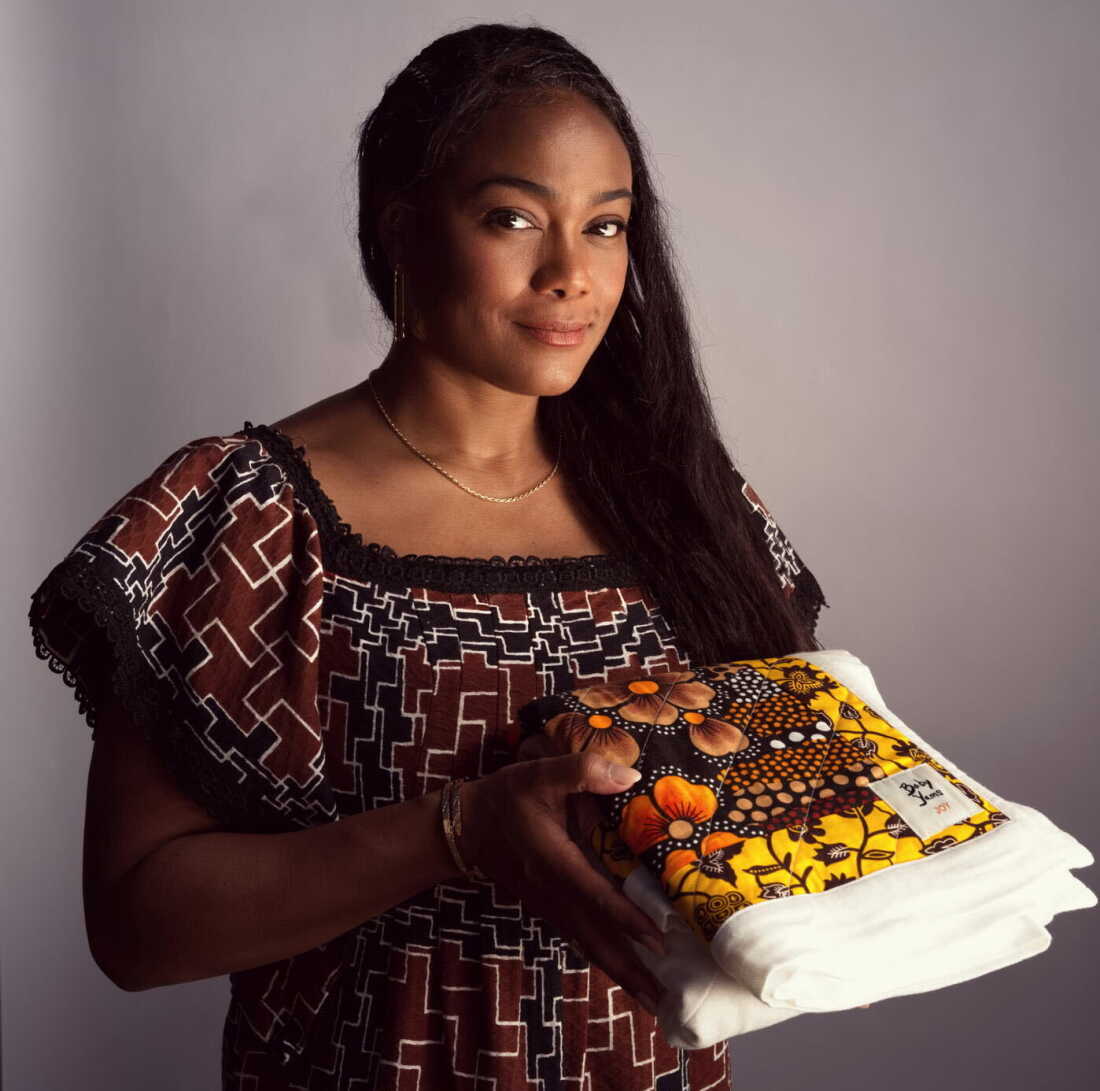
Actor Tatyana Ali is using her platform to bring attention to the issues faced by Black and Indigenous mothers in the U.S. maternity care system. Her personal experience with “obstetric violence” during the birth of her first son, Aszi, propelled her into activism, advocating for reproductive justice.
Personal Experience with Obstetric Violence
During her first pregnancy, Tatyana Ali experienced a distressing delivery process where her birth plan was ignored, and she felt physically restrained. This involved a rare emergency procedure, the Zavanelli maneuver, and ended with an emergency c-section. Her ordeal motivated her to join the fight against systemic racism in healthcare.
Disparities in Maternal Health
The United States has one of the highest rates of maternal mortality among developed nations. Black women face disproportionately higher risks, with deaths from pregnancy-related causes occurring more than three times more frequently than among white women. Dr. Tamika Auguste of MedStar Washington Hospital Center highlights these disparities, emphasizing the need to address biases in healthcare.
Protocols for conditions such as cardiac issues, hemorrhaging, and hypertension are being improved. But biases, such as misconceptions about Black patients’ pain tolerance, still need attention. A collaborative approach among healthcare providers, such as teamwork with physicians, midwives, and doulas, has shown promise in improving outcomes.
Barriers to Access
Access to maternity care is limited, with over 500 hospitals closing maternity wards between 2010 and 2022. More than half of U.S. counties lack hospital-based delivery services, with many in the South meeting the definition of maternity care deserts. Black and Indigenous women are disproportionately impacted by these shortages.
Healing Through Advocacy
Ali has founded Baby Yams, a business supporting Black and Indigenous birth workers. She speaks at conferences, sharing her story and discussing solutions. Baby Yams funds grants to birth workers and creates heritage quilts symbolizing protection and strength, donating proceeds to the Birth Future Foundation.
Nadia Gramby, a midwife in Alabama and beneficiary of Ali’s efforts, underscores the importance of her work, particularly as nearly 40% of Southern counties are maternity care deserts. With Baby Yams’ support, Gramby completed her transition from doula to midwife, becoming an essential resource for Black families.
The Role of Midwives and Doulas
Midwives and doulas play a crucial role in providing maternal care, particularly in underserved areas. Research links midwife-assisted births with lower complication rates. The March of Dimes supports policies to expand midwives’ reach by advocating for changes in regulatory requirements and insurance reimbursement policies.
Despite concerns over non-hospital births, midwives provide a valuable option, especially for low-risk pregnancies. When pregnant with her second child, Ali carefully selected a midwife who respected her birth plan, reinforcing the need for choice and control in maternal healthcare.
Leave a Reply