In college football, the first weeks often set the stage for unexpected events. A discussion around Texas’ skill level in their loss to Ohio State highlights the complexity of factors beyond individual players. The debate continues around how to improve playoff systems and evaluation metrics.
Texas vs. Ohio State: Beyond Individual Blame
The recent narrative places blame on Arch Manning for Texas’ previous loss to Ohio State. Analysis reveals broader tactical issues, such as the inability of wide receivers to get open. This highlights how a single player should not shoulder the responsibility for team losses.
Week 2 Upsets and Notable Outcomes
Week 2 of the college football season brought surprises. Oregon faced an unexpected defeat against Oklahoma State. Michigan achieved an upset victory over Oklahoma, a remarkable turnaround after dropping out of the Top 25. Texas staged a significant comeback to beat Ohio State, which had held control for most of the game.
Observations in a Changing College Football Landscape
The inherent unpredictability of college football creates engaging contests. Expanded playoff systems contribute to this dynamic by occasionally reducing high-stakes games. Factors such as superconference formation and fluctuating selection criteria further complicate the landscape.
Nick Saban’s Take on Playoff Evaluation
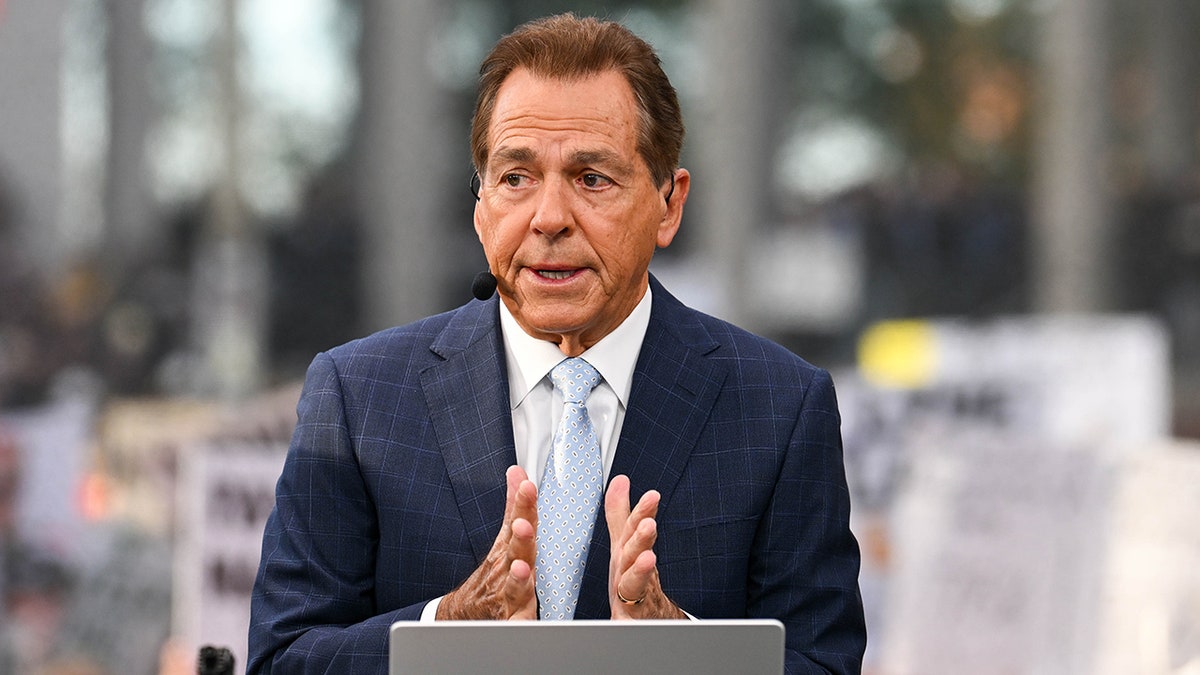
“Players love to play in big games, that’s what great competitors love to do,” said Nick Saban during ESPN’s College GameDay.
Saban suggests focusing on the strength of schedule when evaluating teams. He proposes redefining metrics to include quality wins and losses, advocating for a balanced assessment over sheer win counts.
The Role of Rankings and Metrics
Current college football rankings spark debate over subjective biases. During the BCS era, subjective evaluations often clashed with computer-driven models. Balancing these elements might enhance fairness, as seen in the Alabama 2025 Season example, emphasizing the need for an improved evaluative approach.
The Texas-Ohio State Game Case Study
The Texas-Ohio State game demonstrated the challenges of existing ranking systems. Despite Texas’ win, Ohio State maintains higher rankings in efficiency metrics, indicating complexity in ranking assessments.
Calls for a Larger Playoff Field
A larger playoff setup might foster more big games, but concerns about potential playoff expansion, like a 24-team field, persist. The balance between competitive opportunities and logistical feasibility remains critical.
Conclusion
Nick Saban reinforces the positive impact of competition on player development. The ongoing discourse around rankings and playoffs underscores the evolving nature of college football strategy and administration.
Leave a Reply