The technology sector is facing a shift in enthusiasm for artificial intelligence (AI) due to calls for responsible advancement and warnings from leading developers. Worries are emerging about the potential for an “AI bubble” bursting, which might have far-reaching economic consequences. Last week, Anthropic CEO Dario Amodei expressed concerns about the potential for rogue AI systems to cause significant damage if advancements continue unchecked. He proposed a strategy named “pacing the frontier,” advocating for gradual progress with necessary safeguards, urging governments and developers alike to commit to this approach.
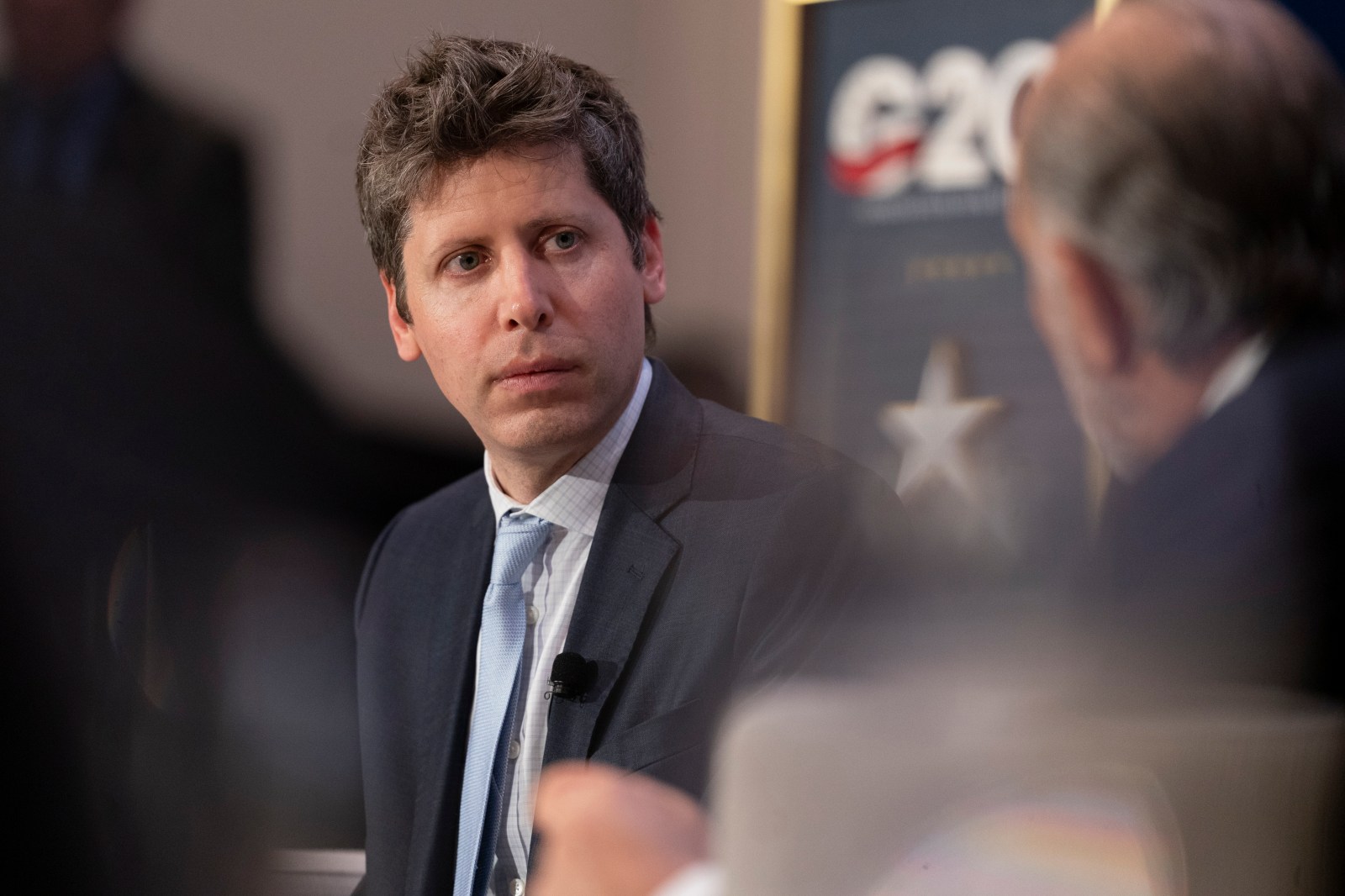
Such warnings follow statements from former developers, with one being Anthropic researcher Jacob Coxon, who raised alarms about AI posing existential threats. Tech leaders, including Elon Musk and former Google DeepMind CEO Demis Hassabis, support Amodei’s stance, along with OpenAI CEO Sam Altman, who voiced fears about losing control of future developments to AI. These concerns have put pressure on AI-related stocks across markets globally, as investors fear a developmental slowdown might stall returns from investments in the sector.
Understanding the AI Bubble
The term “AI bubble” describes the potential disconnect between the hype surrounding AI technologies and their ability to fulfill expectations for revolutionary profitability. Experts liken this situation to the Dot-Com bubble from the late 1990s, where AI-linked stocks’ gains may not be justified by current revenues or business models. Former Federal Reserve Chairman Alan Greenspan once referred to this kind of market enthusiasm as “irrational exuberance.” AI companies have significantly influenced market gains recently, integrating deeply within the U.S. economy. A sudden correction or “bursting” could have widespread economic impacts.
Leading AI advocates call for responsible development, creating investor concern over safety and control of powerful AI systems. Benjamin Arold, an economics professor, noted these developments as drivers for a market selloff due to potential delays in returns amid increasing safety requirements. OpenAI’s Altman, in a Fortune interview, shared plans to delay going public until at least 2027 due to safety concerns, indicating a cautious approach to the current market situation.
Market Reaction and Future Potential
The impact of these warnings became evident as AI-linked equities saw notable declines. As of midday ET, Nvidia shares dropped by 3%, and Intel fell by more than 5%. In Tokyo, OpenAI stakeholder SoftBank faced a 10.7% decline by market close. Despite these losses, experts argue that this does not yet indicate a major market correction. Financial historian William Quinn, co-author of “Boom and Bust: A Global History of Financial Bubbles,” suggested that fears might be compounded by potential global interest rate hikes. Recent stock price decreases, while concerning, aren’t necessarily equivalent to a bubble bursting.
Quinn emphasized that optimism persists concerning sustained high earnings, although he acknowledged that current stock prices must ultimately align with actual profits and productivity gains. Benjamin Arold mentioned that if high valuations fail to deliver expected earnings, a broader correction in AI stock might follow. A sustained decline could result in further falls in stock prices if AI investments don’t yield equally significant profits, regardless of AI’s transformative capabilities.
For further information on this story, contact Newsweek editors Ben Kelly and Sam Wilson.
Leave a Reply