Introduction of the Family Leave for Parental Involvement in Education Act
A new legislative proposal, the Family Leave for Parental Involvement in Education Act, was introduced by Representative Frederica Wilson from Florida on August 31. This bill seeks to amend the Family and Medical Leave Act (FMLA) as well as federal employee leave rules. The amendment aims to establish a new category of leave dedicated to parental involvement in the educational and extracurricular activities of children and grandchildren.
Details of the Leave Proposal
If this bill is enacted, eligible workers will be able to take up to eight hours of job-protected leave in any 30-day period, and up to 48 hours annually. This leave would be used to engage in school or community activities, supplementing existing leave types provided under the FMLA.
Newsweek attempted to contact Wilson’s office for comments but received no response before publication.
Use of the Proposed Leave
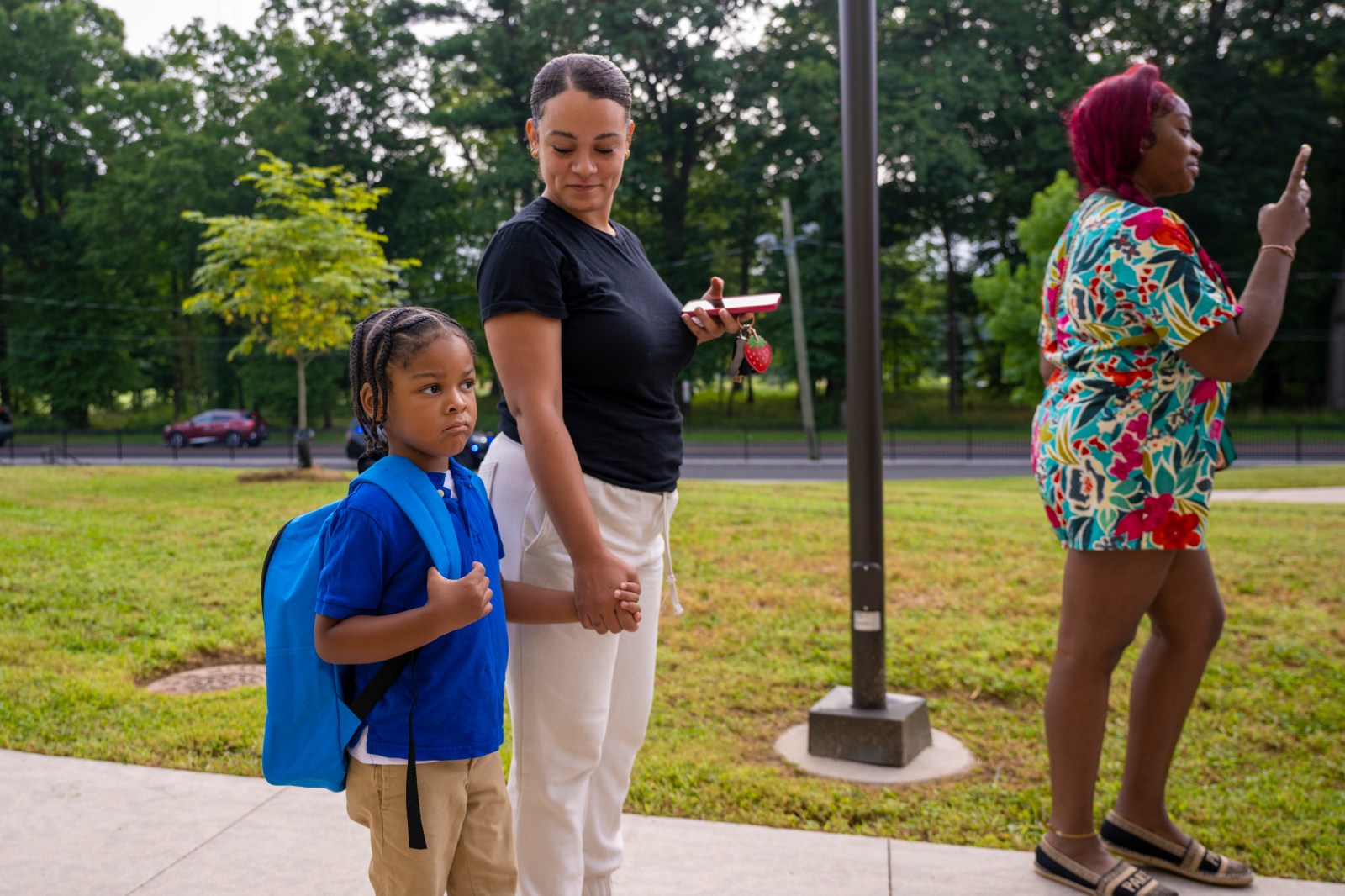
The proposal allows eligible employees to utilize leave for attending school conferences or activities organized by schools or community bodies related to programs attended by their children or grandchildren. These activities include parent-teacher meetings, classroom events, school shows, sports activities, scouting programs, and educational meetings.
Employees can take this leave intermittently throughout the year rather than all at once. The bill’s definition of schools encompasses elementary and secondary schools, Head Start programs, and childcare facilities. Therefore, parents of younger and school-age children can use this leave to take part in educational activities.
Employer Requirements and Leave Separation
Employers may request documentation for parental involvement leave requests. Employees typically need to notify their employer seven days in advance, or as soon as possible if seven days are impractical.
Importantly, this leave is separate from other FMLA leave categories, meaning employees will not need to decrease their regular family or medical leave to participate in school or community events.
If employees wish to be compensated for these hours, employers may require them to substitute paid time off like vacation, personal leave, or sick time. Alternatively, employees can opt for unpaid leave.
Eligibility and Federal Employee Provisions
Eligibility for this proposal generally follows existing FMLA rules. It introduces a new qualifying reason for leave under FMLA, making no universal right available to all workers.
The bill specifies the eligibility is for activities involving an employee’s child or grandchild, with the grandchild being defined as the son or daughter of the employee’s son or daughter.
Besides private-sector employees under FMLA, eligible federal employees will receive similar benefits through amendments to Title 5 of the U.S. Code, providing up to eight hours of leave monthly and 48 hours annually.
Paid Leave under FMLA and Political Support
The FMLA guarantees job-protected leave but does not mandate paid leave by employers, allowing employees to take leave without losing their jobs and return to their positions afterwards.
The Trump administration prioritized helping parents but it’s uncertain if Republicans will support Wilson’s bill due to the lack of cosponsors.
Historically, Republicans have opposed the FMLA since its enactment in 1993 under President Bill Clinton, arguing about costs and mandates imposed on employers. Debates now focus on whether leave should be paid and funded.
During his presidency, Donald Trump signed legislation for 12 weeks of paid parental leave for federal employees. Separately, the Trump administration expanded tax credits for businesses offering paid family leave, supporting financial stability for working families as stated by Treasury Secretary Scott Bessent.
The bill is currently referred to House committees where it needs Republican chairs to initiate a vote. If approved, Wilson must secure Republican support for a full House floor vote.
Leave a Reply