Former Navy SEAL Andy Stumpf recounted a daring rescue mission in Iran that involved 155 aircraft to save an American airman with the call sign ‘Dude 44 Bravo.’ The mission occurred after a 48-hour evasion, highlighting the improvements in military operations since the failed 1980 Operation Eagle Claw, achieving success without U.S. casualties.
A colonel, identified as ‘Bravo,’ survived a dangerous fall after being shot down over Iran. He sustained broken bones and evaded capture for two days, relying on prayer during his ordeal. In his account, he explained the fear of his damaged parachute as he descended toward the desert.
Bravo and pilot ‘Alpha’ were targeting industrial facilities linked to Iran’s drone and missile efforts near Isfahan. Their aircraft, an F-15E Strike Eagle, was hit by a missile, leading them to eject. Alpha landed safely, but Bravo’s chute malfunctioned, sending him plummeting quickly to the ground.
He suffered significant injuries and found himself stranded deep in enemy territory. Despite pain, Bravo moved five miles from his landing to a 7,000-foot ridgeline. Iranian forces were actively searching for him, and footage showed damage to the F-15E, intensifying the hunt.
Joint Chiefs of Staff Chairman Gen. Dan Caine noted Iran’s intent to capture the aviators. Defense Secretary Pete Hegseth vowed to retrieve them, emphasizing the risk of the operation. Alpha was located six hours after the crash amidst a firefight, yet Bravo remained elusive.
A statement from Alpha praised the search-and-rescue teams that brought them home. Although reluctant to be public for security reasons, he remains grateful to serve with his rescuers.
Under harsh conditions, Bravo transmitted messages to U.S. forces, affirming his injuries but mobility. High winds, cold, scarce food, and water tested him further. The CIA misled Iranian troops and used advanced tech to determine Bravo’s location. U.S. efforts culminated in a bombing strategy to clear a path for his rescue.
For the first time in 46 years, U.S. troops entered Iran, while several others supported from the air. Rescue squads landed near Bravo, extracting him and 90 service members when morning broke on Easter Sunday. Without delay, he pressed to leave the dangerous environment.
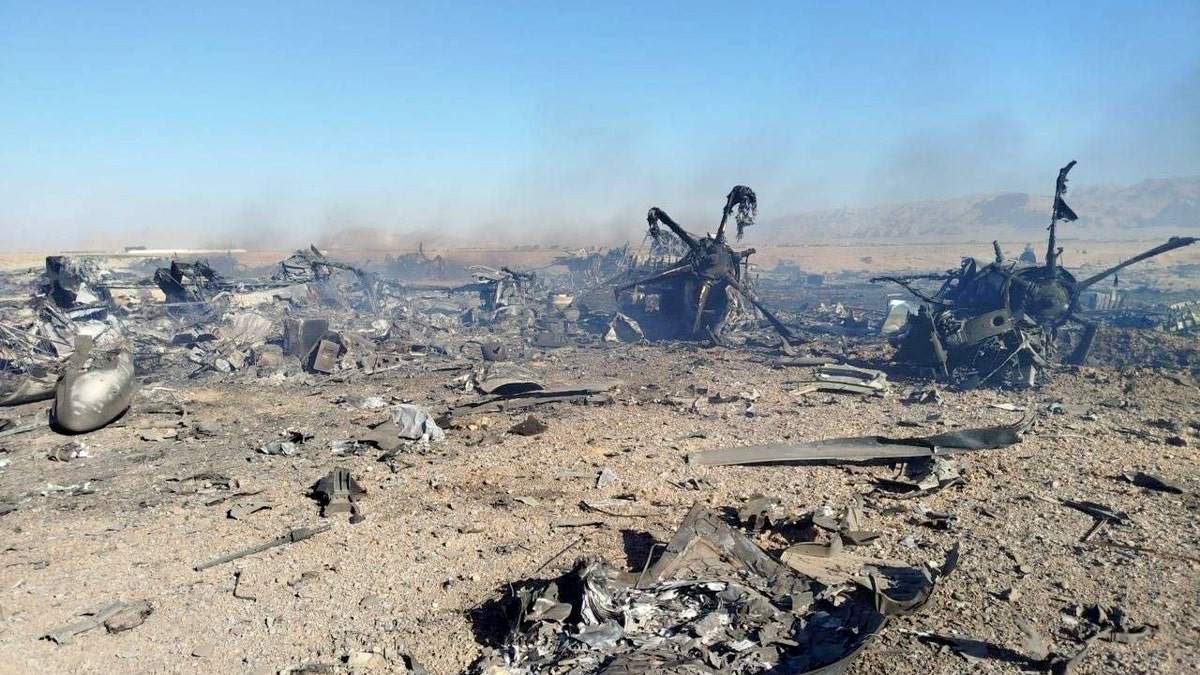
Rescue planes faced complications in the desert’s soft sand, halting progress. An Air Force team finally managed the exit, ensuring no sensitive equipment fell to adversaries by destroying stranded aircraft.
After 50 grueling hours, the mission concluded, marking a significant testament to military coordination. Bravo, reflecting on his remarkable survival, credited divine intervention, emphasizing teamwork and leadership in achieving a formidable rescue.
The account appeared on CBS News’ “60 Minutes,” shedding light on exemplary U.S. military dedication to retrieving personnel, leaving no one behind.
Leave a Reply