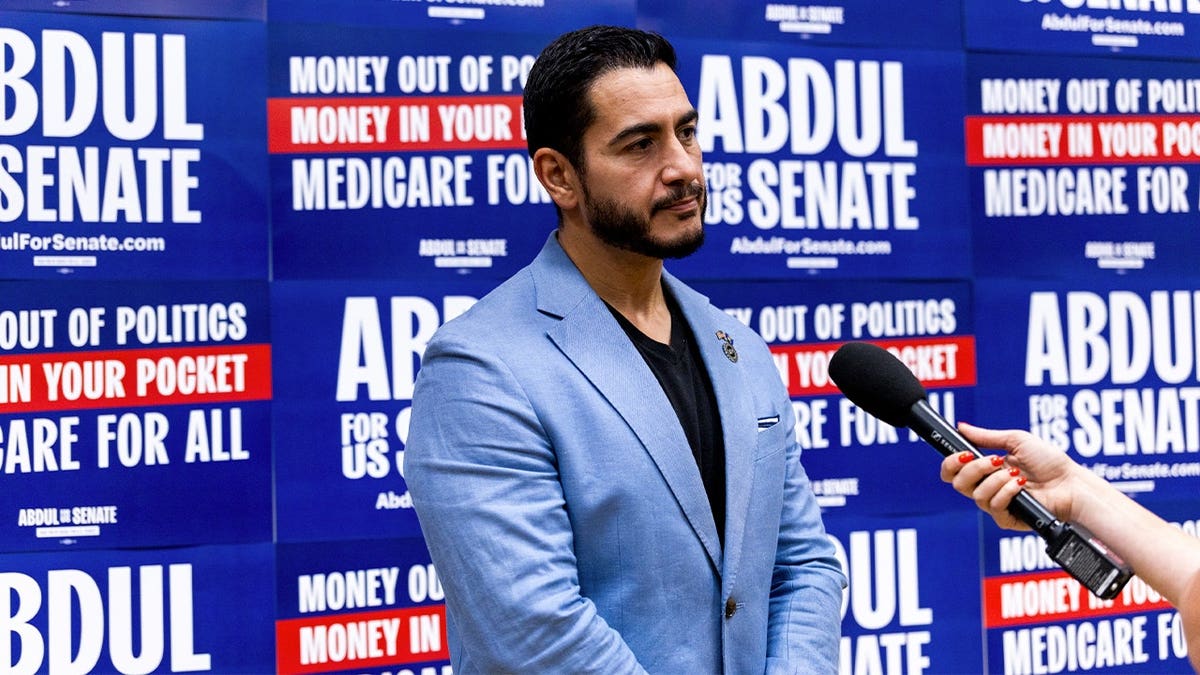
Conservative voices have expressed unease about Michigan Democratic Senate hopeful Abdul El-Sayed potentially gaining access to classified information if elected. Senators, unlike many government officials, do not need formal security clearance to access classified data related to their roles. El-Sayed would automatically have this access simply by securing his Senate seat.
Some national security and policy experts have voiced apprehensions. Counterterrorism expert Daniel Samet, from the American Enterprise Institute, remarked that El-Sayed associates with individuals who endorse extremist ideologies. He argues that El-Sayed’s connections raise significant concerns about national security.
“Anyone refusing to disavow America-hater Hasan Piker should never be elected to Congress. El-Sayed will use his perch in the Senate to undermine America and empower its enemies,” Samet declared.
Reports have documented El-Sayed’s appearances alongside people who have supported U.S.-designated terrorist groups. At a campaign event, for example, he was introduced by Amir Makled, who has honored deceased Hezbollah members. Additionally, El-Sayed shared a stage with Sheikh Fadhel al-Sahlani, known for praising Hamas and downplaying Holocaust casualties.
El-Sayed’s connections extend to Hasan Piker, a controversial streamer who once suggested the U.S. “deserved 9/11.” While El-Sayed distanced himself from Piker, he did not unequivocally reject him.
Critics also highlight El-Sayed’s acceptance of endorsements from figures like Osama Siblani, who praised terrorist organizations. His campaign has defended El-Sayed, asserting his commitment to public safety and economic improvements for Michigan families. They criticized opponent Mike Rogers for previous business dealings with foreign entities, suggesting such ties pose security risks.
Beyond personal affiliations, the scrutiny includes statements from El-Sayed’s family. His half-sister faced criticism for a social media post referencing Hamas. Despite family disagreements over foreign policy, El-Sayed emphasized that only he represents his views.
Questions about El-Sayed’s associational ties emerge amid broader discussions about candidates affiliated with politically left-leaning groups. Ashley Hayek, president of America First Works, expressed concerns about this trend, noting connections to Neville Singham, identified in a New York Times investigation as a major funder of groups with pro-Beijing links.
Concerns about data leaks highlight the importance of vigilance. Bryce Poole from Advancing American Freedom, recalled past incidents, such as the prosecution of Senator Robert Menendez for acting as a foreign agent. These examples underscore the real risks involved.
The discourse underscores reservations about information security and the responsibilities entailed by holding office.
Leave a Reply