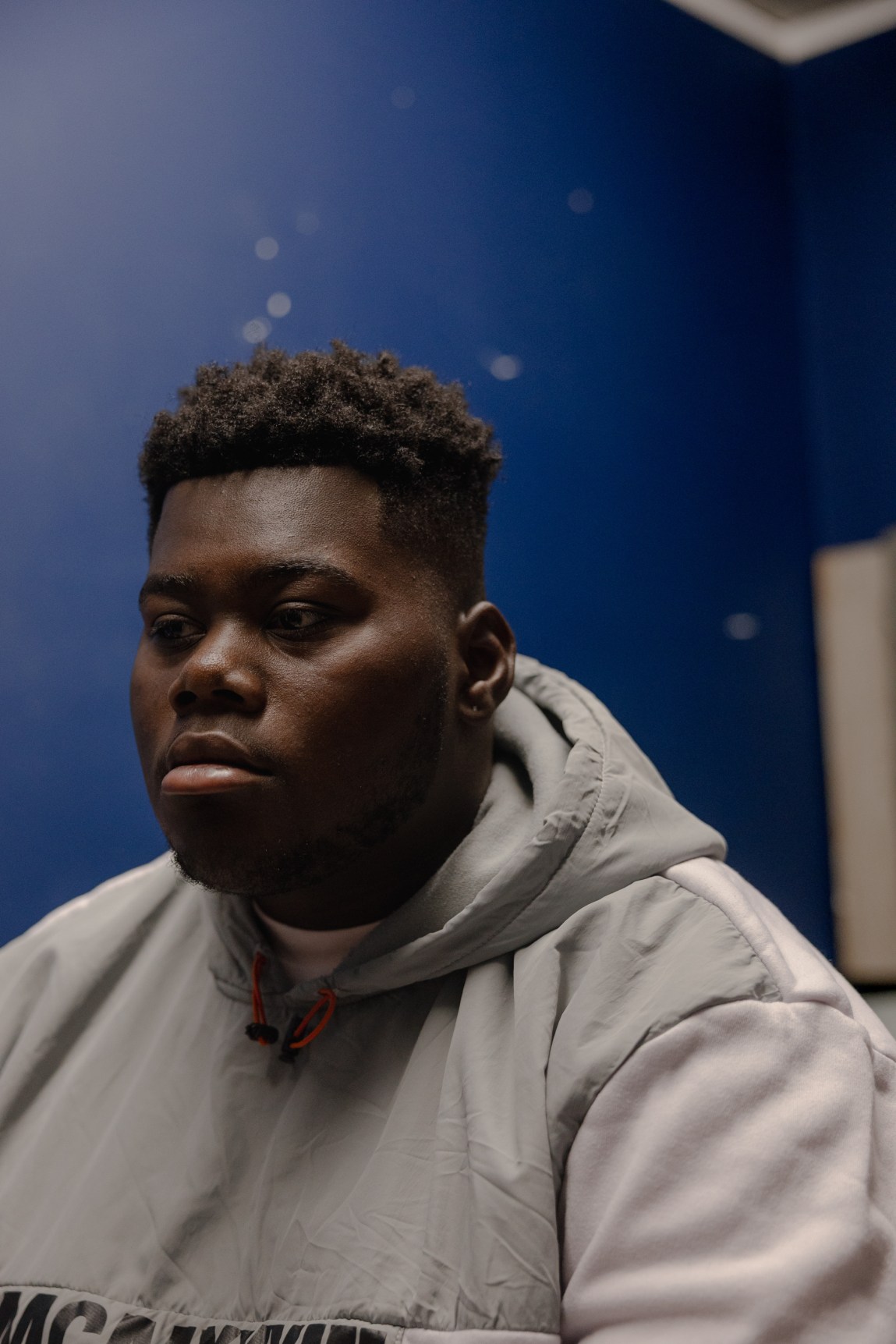
Tierra Walker found herself in a dire situation. At 37 years old, the dental assistant was dealing with severe health concerns after learning she was pregnant. She was experiencing unexplained seizures and spending her days in a hospital. Her history of soaring blood pressure and diabetes positioned her at high risk for preeclampsia, a serious pregnancy complication. On the morning of Oct. 14, 2024, determined to protect her health for her 14-year-old son, JJ, Walker decided to request an abortion.
Walker had previous encounters with the dangers of preeclampsia, resulting in the stillbirth of her twins. However, when she approached her doctor at Methodist Hospital Northeast in San Antonio, she was told there was no emergency with her pregnancy. Tragically, Walker passed away from preeclampsia at 20 weeks pregnant, leaving JJ to cope with his loss through photos and videos of his mother.
This is not an isolated case; several women with underlying health conditions have died after being unable to terminate their pregnancies. Walker knew about the Texas abortion laws but assumed an exception would be made due to her health risks. Yet, state abortion bans have left many patients like her without options. Interviews with over 100 OB-GYNs revealed that fear of criminal charges results in hospitals not offering terminations, forcing women to face life-threatening situations.
Walker’s case involved a team of over 90 doctors, yet none offered an abortion as an option. Her blood pressure and health indicators deteriorated, yet she was consistently advised to continue with her pregnancy. ProPublica’s investigation highlighted the systemic issues where abortion bans, combined with health system limitations, fail to safeguard vulnerable women.
The anti-abortion movement in the U.S. strongly opposes health exemptions, often blocking legislation that might protect those at risk. As health risks during pregnancy rise, the refusal to allow broader exceptions in abortion laws is increasingly dangerous, affecting many, especially black women who face disproportionate healthcare challenges.
Other countries, particularly in Europe, offer more comprehensive reproductive rights, allowing terminations with health exceptions. The U.S.’s restrictive laws, demanding an imminent threat to health before permitting an abortion, inhibit timely medical interventions. Physicians cite risks, legal threats, and policy limitations as factors preventing them from acting in the best interest of patients like Walker.
After Walker’s untimely death, her grieving family struggled to understand her care. They faced the inexplicable aftermath of strict abortion regulations and a systemic reluctance to intervene. They hold onto memories, as JJ continues to mourn and adapt to a new life without his mother.
U.S. legislators remain divided on allowing more health exemptions. Some believe these are imperative to prevent needless deaths, advocating for policies that respect both the rights and health of pregnant women.
Leave a Reply