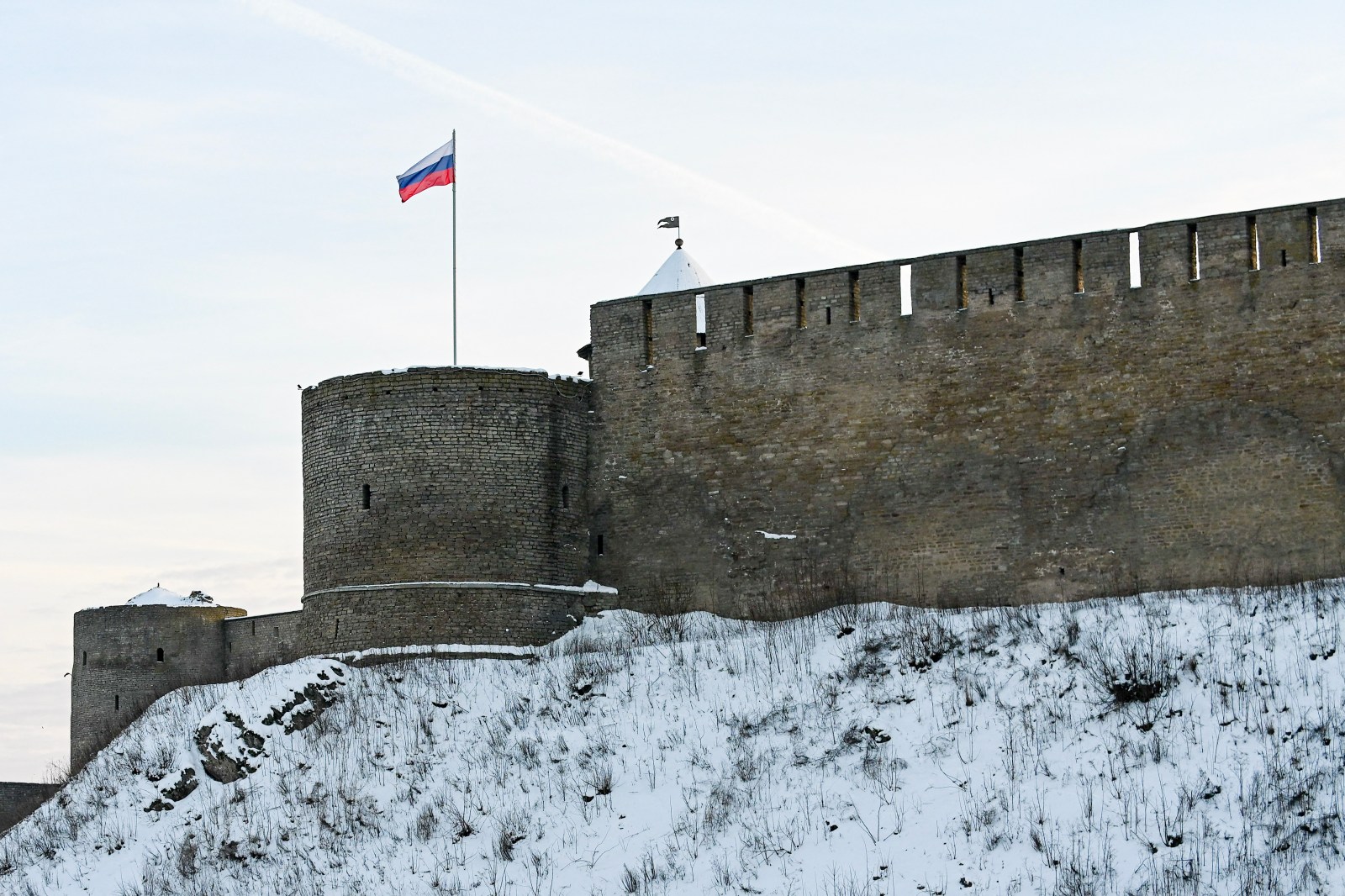
Tensions are rising between Moscow and Tallinn as Russia could potentially carry out a limited incursion into Estonia. This scenario, proposed by the Institute for the Study of War (ISW), highlights the strategic tensions around NATO’s response capabilities.
Restrictions on Russian Districts near Estonia
Russia’s FSB intelligence services recently imposed restrictions on movement in two districts in the Leningrad oblast close to Estonia. These measures in Kingisepp and Slantsy limit nighttime movement and access to the Narva River shared by both countries. This development occurs as Estonia declares plans to shut its border if Russia orders a mass mobilization for the Ukraine conflict, potentially triggering a mass exodus.
Concerns of Hybrid Threats in the Baltic Region
Baltic region officials are concerned about Russian drone incursions, airspace violations, sabotage, and other hybrid threats. The ISW suggests Narva—an Estonian border town with a Russian-speaking majority—could become the epicenter of Russia’s challenge to NATO. This scenario would test NATO’s Article 5, where an attack on one member is considered an attack on all.
Propaganda and Military Preparations
The ISW indicates that Russian propaganda could play a role, accusing Estonia of mistreating Russian-speaking citizens or supporting Ukraine militarily. Moscow might deploy FPV drones from nearby bases, using long and short-range options to bolster their military position. Russian agents could seize key sites in Narva, establishing a so-called “Narva People’s Republic” and solicit Moscow’s intervention.
NATO’s Strategic Dilemmas
This potential situation poses strategic challenges for the alliance. If Estonia seeks NATO support and an Article 5 activation, there could be hesitations over causing a broader conflict with Russia. The ISW notes the risk of diminished significance of Article 5 if not activated, which Russian forces could exploit.
Challenges for the Alliance
Tensions between the US and European NATO members could hinder a joint response, and Russian cognitive warfare might exacerbate divisions. However, any Russian incursion would force NATO to consider its response strategies. The ISW scenario mirrors certain elements from Carlo Masala’s “If Russia Wins: A Scenario”—depicting possible fragmentation within NATO and diminished American commitment.
The scenario is not a prediction but highlights potential strategic challenges for the alliance in responding to Russian actions.
Newsweek utilized AI assistance from Martyn in compiling this report.
Leave a Reply