When camping, maintaining the right temperature can be a challenge. An insulated tent offers a solution for all-season comfort. These tents provide protection from the elements, ensuring a more enjoyable outdoor experience. When selecting an insulated tent, consider the material, ventilation, and capacity.
Material
The fabric of a tent is crucial for protection and insulation. Polyester is a popular choice due to its lightweight nature, making it ideal for backpacking. Other materials like poly-cotton and nylon offer more insulation but are heavier. Choose based on your specific needs for weight and warmth.
Group Size
Consider how many people will use the tent. Product descriptions usually state the number of sleepers, but take gear into account. Opt for a tent that accommodates people and their supplies comfortably.
Ventilation
Ventilation is key to preventing condensation, which can lead to discomfort. Look for tents with Velcro or zipper windows. Mesh backing on windows can keep bugs out while allowing air circulation.
Seasonality
Insulated tents are versatile, keeping you cool in summer and warm in winter. If the tent’s fabric and mesh features don’t retain enough heat in colder months, supplement with extra thermal gear or blankets. Good ventilation will help maintain the ideal temperature all year.
Tent Features
Noise Blocking
If camping in a noisy area, an insulated tent can reduce sounds like rustling leaves and wind.
Portability
Lightweight tents often come with carrying cases. This feature allows easy transportation, freeing space for other gear. Check product descriptions for portability details.
Waterproof
Many insulated tents have taped seams and are coated to prevent moisture. Nylon and polyester can become waterproof when treated with silicon, keeping campers and gear dry.
Pricing
Insulated tents are available in various price ranges. Budget options cost between $70-$150. Mid-range tents with better fabric quality range from $200-$500. Premium tents with advanced features are priced between $550-$1,000.
FAQs
How to Insulate a Tent for Winter?
To improve insulation, pack extra blankets and insulated sleeping bags. Attaching a blanket inside the canopy with duct tape can also trap heat.
Benefits of a Rainfly?
A rainfly acts as a tent’s waterproof top layer. It helps keep rain and snow out, reducing condensation. This addition also increases warmth during cold weather.
Top Picks for Insulated Tents
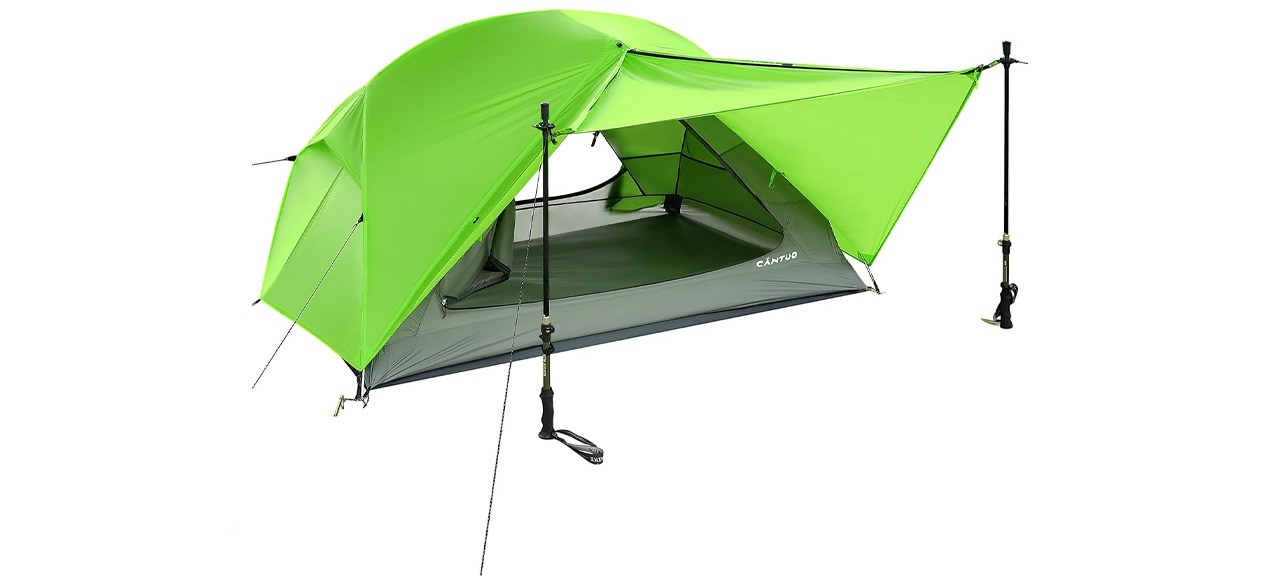
Cantuo Four-Season Two-to-Three-Person Tent
This durable tent features breathable polyester, waterproof outerlayer, and a high-quality inner tent. It suits two to three people, with excellent ventilation provided by two doors and four vents. The expandable vestibule offers extra gear space.
Bisinna Four-Season Tent for Backpacking
Affordably priced, this tent is easy to setup and suitable for all seasons. It weighs a little over six pounds, made of tear-resistant polyester with a waterproof coating. Featuring a double layer of mesh, fabric, two doors, and two windows for optimal ventilation, it’s ideal for one person.
Ayamaya Pop-Up Tent
This tent comfortably accommodates up to six adults and includes storage pockets and an electrical cord port. It has a double layer to minimize condensation and pre-assembled poles for quick setup. Although lightweight and portable, it may not withstand winter conditions due to flimsy poles and thin material.
Pricing and availability may vary. For the latest deals, sign up for the BestReviews newsletter. This article is distributed by Tribune Content Agency, LLC, and may include affiliate links.
Leave a Reply