President Donald Trump announced his decision to reject Iran’s recent proposal to reopen the Strait of Hormuz and end ongoing hostilities. He described the offer as unacceptable but left the door open for future discussions.
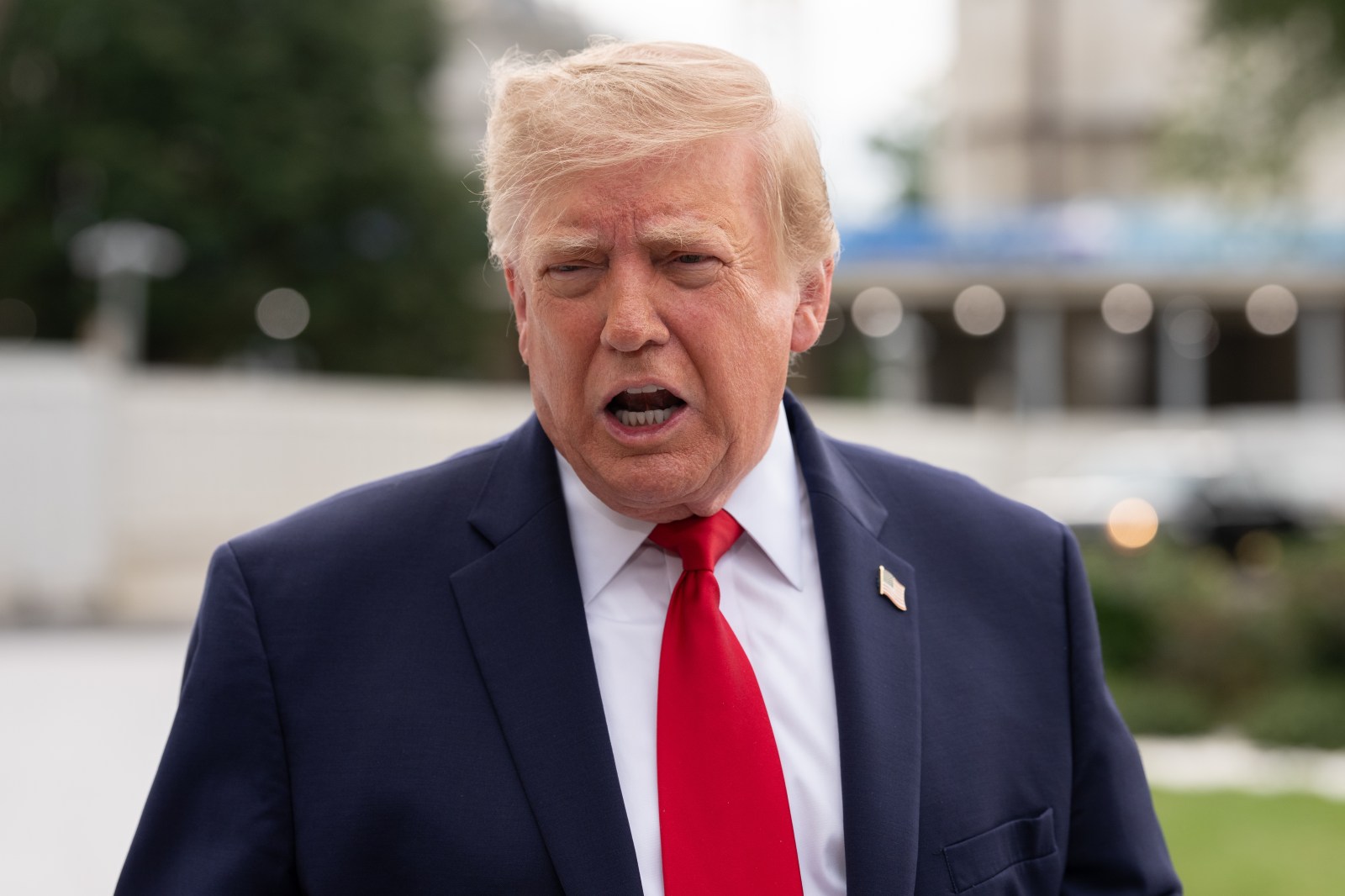
“They want to make a deal and I think that’s fine,” Trump stated to reporters before departing the White House. “I’d like to make a deal too. But that deal would not be acceptable.”
This decision represents a setback in efforts to resolve the seven-month conflict involving the United States, Israel, and Iran. The conflict has disrupted global energy markets by significantly reducing traffic through the Strait of Hormuz, a critical oil transit route.
Newsweek contacted the White House for a comment on Saturday morning.
Iran’s Proposal to Reopen Strait of Hormuz
Iranian officials revealed a recent proposal through mediators. It outlined a plan to reopen the Strait of Hormuz within seven days and resume talks on Tehran’s nuclear program. In return, Iran asked for several concessions from Washington, including relief from economic pressures related to the conflict.
Trump rejected the proposal, citing Iran’s worsening economic situation. “They want to make a deal to open the Hormuz Strait immediately because they’re losing so badly,” Trump commented.
Traffic through the strait has decreased sharply since the conflict escalated earlier this year, affecting global oil supplies and raising economic concerns beyond the Middle East.
Iranian Push for Nuclear Program Negotiations
Iranian Foreign Minister Abbas Araghchi expressed Iran’s readiness to resume discussions on its nuclear program should a broader agreement be reached. Iranian proposals included a seven-day plan to reopen the Strait and reduce regional tensions before broader negotiations.
During the United Nations General Assembly, Iranian President Masoud Pezeshkian advocated for diplomacy while stating Tehran would not succumb to U.S. pressure. Indirect contacts occurred between U.S. and Iranian representatives during the global leaders’ annual meeting in New York.
Trump’s United Nations Warning to Iran
Trump’s rejection followed his stern warning to Iran during a United Nations General Assembly speech. He stated Iran must choose between an agreement with the U.S. or face “annihilation.” The administration claims that military and economic pressure have bolstered Washington’s negotiating leverage, seeing Iran’s proposal as evidence of the strategy’s effectiveness.
Future Opportunities for Talks
Despite turning down the latest proposal, Trump conveyed openness to continued diplomacy. “They want to make a deal, and I think that’s fine,” he reiterated. “I like making a deal too.”
This rejection follows indirect talks between U.S. and Iranian officials at the United Nations General Assembly. Iranian leaders remain open to negotiations, while the Trump administration applies military and economic pressure on Tehran.
Trump declined to comment on whether the U.S. might resume military actions following the November midterm elections.
Leave a Reply