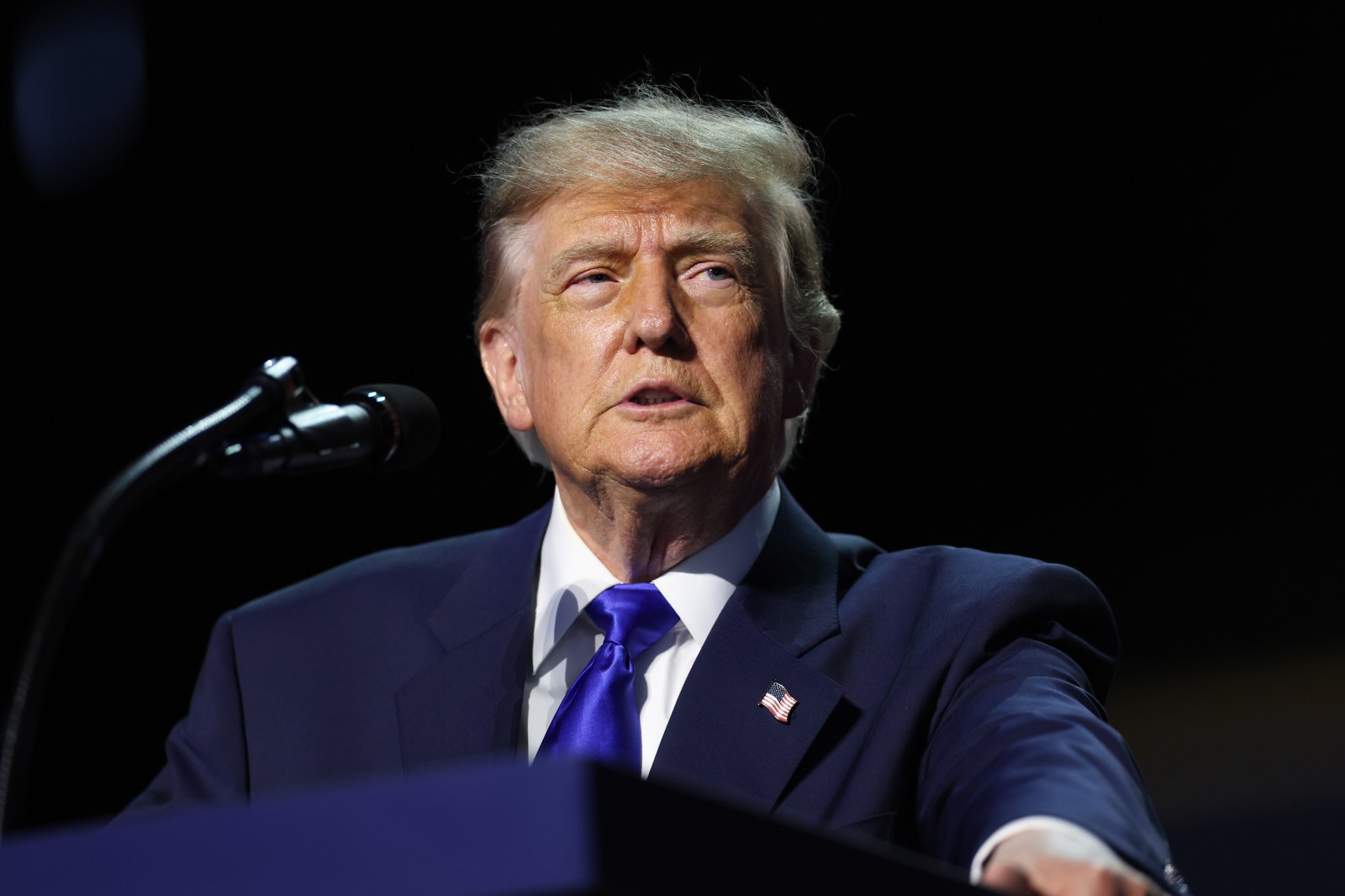
President Donald Trump’s use of taxpayer-funded advertisements promoting his administration’s agenda before the midterm elections has faced backlash, including from some Republican lawmakers, questioning their appropriateness.
Content of Advertisements
The White House has aired three public service announcements featuring Trump. In one, Trump critiques communism with background music by JMSN, and UFC CEO Dana White calls him “the toughest, most resilient person that I’ve ever met.” Another ad sees Trump addressing campaign promises to “demolish the deep state” and remove “warmongers from government.” The third ad depicts Trump discussing America’s “golden age” at Mount Rushmore. These ads have generated concerns about proper use of taxpayer money, especially given the cost of the first ad, which reached $443,000.
Republican Concerns
Several Republicans have expressed disapproval. Louisiana Senator John Kennedy stated his opposition to using public funds for private advertisements, arguing such practices should be prohibited. Kentucky Representative Thomas Massie likened the ads to those typical of a “banana republic.” North Carolina Senator Thom Tillis described them as “inappropriate,” comparing the approach to those used by Viktor Orbán.
Other Conservative Voices
Former Representative Justin Amash criticized the ads, labeling them “taxpayer-funded propaganda,” while commentator Erick Erickson called them a “waste of taxpayer dollars.” Former RNC chair Michael Steele condemned the ads as “political” and unethical use of governmental funds.
White House Response
A White House spokesperson defended the advertisements, emphasizing their role in fostering patriotism and national pride, describing them as educational.
Impact on Midterm Elections
Political scientist Robert Y. Shapiro noted that those already critical of Trump would see the ads as political rather than serving public interest, suggesting minimal impact on his support base.
Previous administrations, including Biden’s, have used public service announcements for specific policies, such as promoting COVID-19 vaccine safety. However, such ads typically focus on policy rather than enhancing a president’s image.
Trump’s Popularity
Recent polls indicate a decline in Trump’s approval ratings. An American Research Poll revealed a 29% approval rating, with a 68% disapproval rate, sampling 1,100 adults. An Emerson College poll showed 58% disapproval and 39% approval among 1,000 likely voters. A YouGov and The Economist poll had 35% approval and 62% disapproval from 1,401 registered voters.
Republican Dissent
With midterms approaching, Republicans have started reassessing their affiliation with Trump amidst his declining popularity. Representative Ashley Hinson criticized economic conditions fueled by the Iran conflict, expressing concern over fuel prices. Representative Maria Elvira Salazar argued for humane immigration reforms, distancing from aggressive enforcement. Florida gubernatorial candidate Byron Donalds removed references to Trump from his campaign material, indicating a focus on local issues like affordability and transparency.
Upcoming Midterms
With elections nearing, Trump’s popularity remains a pivotal factor, influencing campaign strategies. Economic challenges and international issues, such as the Iran conflict, will also play essential roles in election messaging.
Leave a Reply