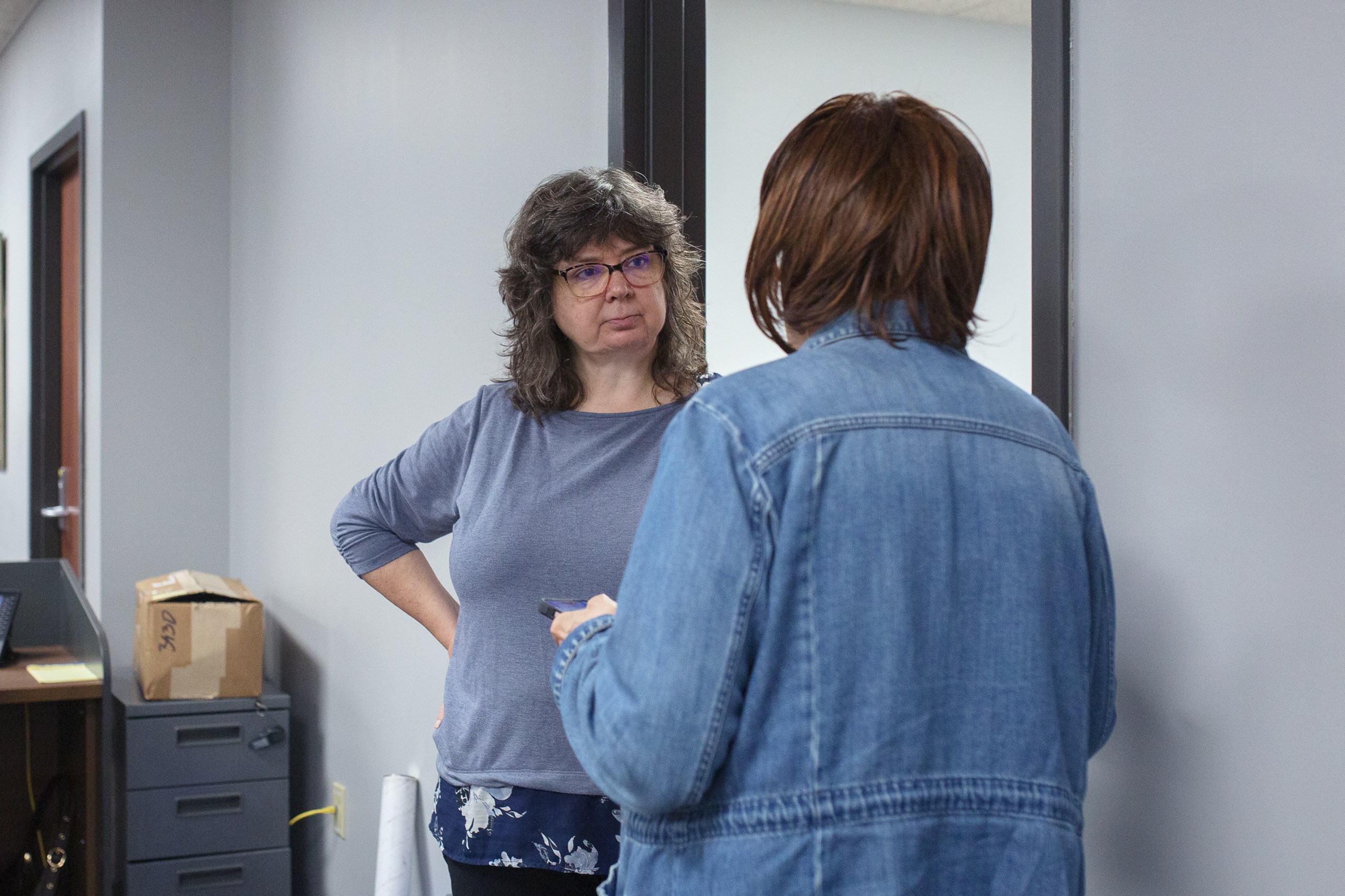
Amy Miller plays an essential role in helping elderly and disabled individuals exercise their right to vote. As an attorney for Disability Rights Nebraska, she travels around the state, assessing the quality of nursing homes and assisted living facilities. While offering guidance on reporting abuse, she provides voter registration forms. Recently, she assisted a veteran with a brain injury in completing a change-of-address form, ensuring he could vote in the upcoming elections. Despite his difficulty in writing, he was clear about his voting choices.
Federal funding, provided through congressional support, backs her organization’s mission to ensure access to voting, even for those lacking internet or transportation. However, a proposed change from the White House Office of Management and Budget (OMB) threatens this work. Led by Russell Vought, OMB seeks to prevent the use of federal grants for voter registration activities. Vought has criticized the funding of voter registration with taxpayer money.
“Shutting that down and making it more difficult for these Americans to access the ballot box is bewildering to me,” said Miller, reflecting on the opposition her work now faces, something unprecedented in her six-year tenure.
These changes are part of broader efforts by the Trump administration to control voting access, particularly for groups historically facing voting barriers. Under the SAVE America Act, documentation proving citizenship would be required to register, potentially ending voter registration drives. Similarly, a ban on nongovernmental voter registration at naturalization ceremonies was briefly lifted amid legal contention.
Additionally, the Department of Education issued directives preventing the use of federal work-study funds for voting activities, actions challenged by educational institutions. Trump’s administration rescinded an executive order intended to enhance registration opportunities, asserting it unduly favored Democratic supporters. Neither Vought nor his office responded to inquiries about their proposed policy changes.
If enacted after 2026, the policy could affect nonprofits involved in voter outreach, healthcare benefits, and food stamp applications, per the National Voter Registration Act. These organizations face conflicts with existing federal directives. Legal experts foresee litigation due to contradictions with the Help America Vote Act, which provides grants for improving voting access for individuals with disabilities and was designed to enhance the security of state voting systems.
Miller’s organization received $141,000 this year for voter accessibility initiatives. Their work, conducted under strict nonpartisan guidelines, runs the risk of being severely impacted by these proposed changes. Many individuals assisted by her organization, like those in secluded or underserved communities, would face even more substantial barriers to voting without her efforts. The ability to vote should be preserved for everyone, underscoring the vital nature of Disability Rights Nebraska’s endeavors.
During visits, Miller offers opportunities for residents to register spontaneously, as demonstrated by experiences at rural facilities where individuals are often isolated. Allowing direct participation in registration changes lives, affirming their contributions and restoring electoral involvement. These real-world encounters highlight the importance of maintaining and expanding access to voting, a right essential to democracy.
Leave a Reply