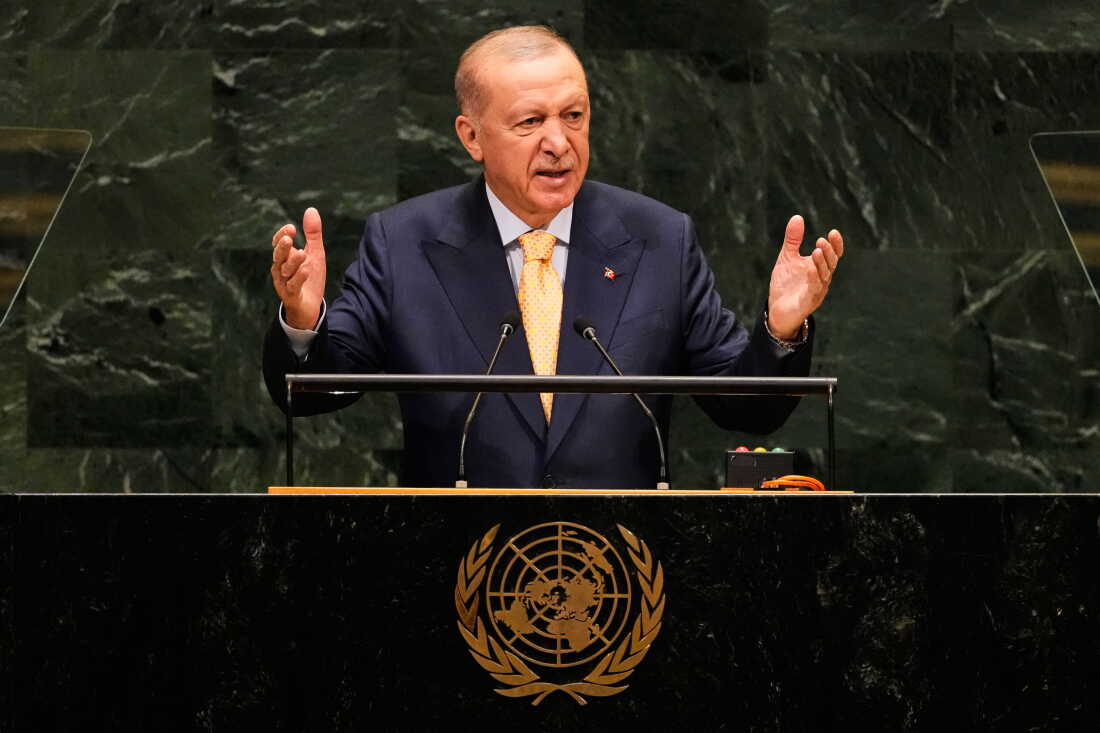
In a significant development, leaders from Saudi Arabia, Turkey, and Pakistan met in Mecca to sign the Mecca Joint Defense Agreement. This accord unites Saudi Arabia’s oil resources, Turkey’s growing defense capabilities, and Pakistan’s nuclear prowess. It includes a mutual defense clause similar to NATO’s Article 5. By doing so, the agreement represents a new regional security framework amid uncertainties following a reduction in U.S. presence.
Turkish Foreign Minister Hakan Fidan highlighted Ankara’s crucial role in the three-year negotiation process. Analysts suggest Turkey’s overarching goal is to assert itself as a key player in the Middle East, a region disrupted by conflict and shifting power balances.
Turkey has been strategically expanding its military reach. With bases in Somalia, Qatar, Libya, and a prominent role in Syria, Turkey aims to extend its influence. It combines cultural diplomacy, through widespread popularity of its television programs, and humanitarian efforts, such as constructing schools, to strengthen its position. Turkey also seeks to mediate international conflicts, including those in Ukraine and Iran.
Recent tensions, beginning with Hamas’ attack on Israel on October 7, 2023, and the ongoing U.S.-Israeli conflict with Iran, have reshaped regional dynamics. Washington’s possible reduction of its Middle East security presence could pave the way for Turkey to fill a strategic void, according to regional analysts.
Turkey faces significant economic obstacles in pursuing its ambitions. Persistent inflation, a weak currency, and escalating energy import expenses hamper its resources. Additionally, Turkey’s aspirations face competition from an assertive Israel, complicating its regional strategy, as noted by Asli Aydintasbas from the Brookings Institution.
The Ottoman Empire once dominated the region, and some Turkish leaders envision reclaiming a similar role. Yet, current Turkish foreign policy remains pragmatic, focused on preserving national interests amid regional discord rather than reviving a neo-Ottoman empire.
As the U.S. influence potentially wanes post-conflict with Iran, Turkey is poised to increase its involvement. Asli Aydintasbas suggests that, despite previous U.S. support, regional stability takes precedence over democratic values after years of conflict.
Turkey has been influential in shaping postwar Syria. It capitalized on Bashar al-Assad’s 2024 regime collapse to secure lucrative reconstruction deals and assist in reforming Syria’s military. This strategy conflicts with Israel’s approach, which seeks to maintain militarily subdued neighbors for security.
Escalating tensions resulted in Israeli airstrikes in northern Syria to prevent Turkish troop deployments, though Ankara and Syria denied such plans. The U.S. criticized Israel’s actions as unnecessarily provocative.
Historically, Turkey has had a complicated relationship with Israel, being the first Muslim-majority nation to recognize the latter. Recent diplomatic gestures between Erdogan and Netanyahu contrasted with harsh rhetoric during the United Nations General Assembly, which sparked further tensions.
Both countries are now entrenched in heightened competitive stances. Israel and Turkey could potentially clash as they pursue divergent regional goals. Personal diplomatic relationships, particularly between President Erdogan and President Trump, may temper these frictions. Under Erdogan, Turkey perceives direct channels to the White House, bypassing prior reliance on Israeli ties.
The U.S., an ally of both nations, could play a pivotal role in mending relations. However, challenges remain due to unpredictable American foreign policy under the Trump administration. Future developments will rely heavily on leadership styles and aspirations, highlighting the role of individual leaders in shaping bilateral relations.
Leave a Reply