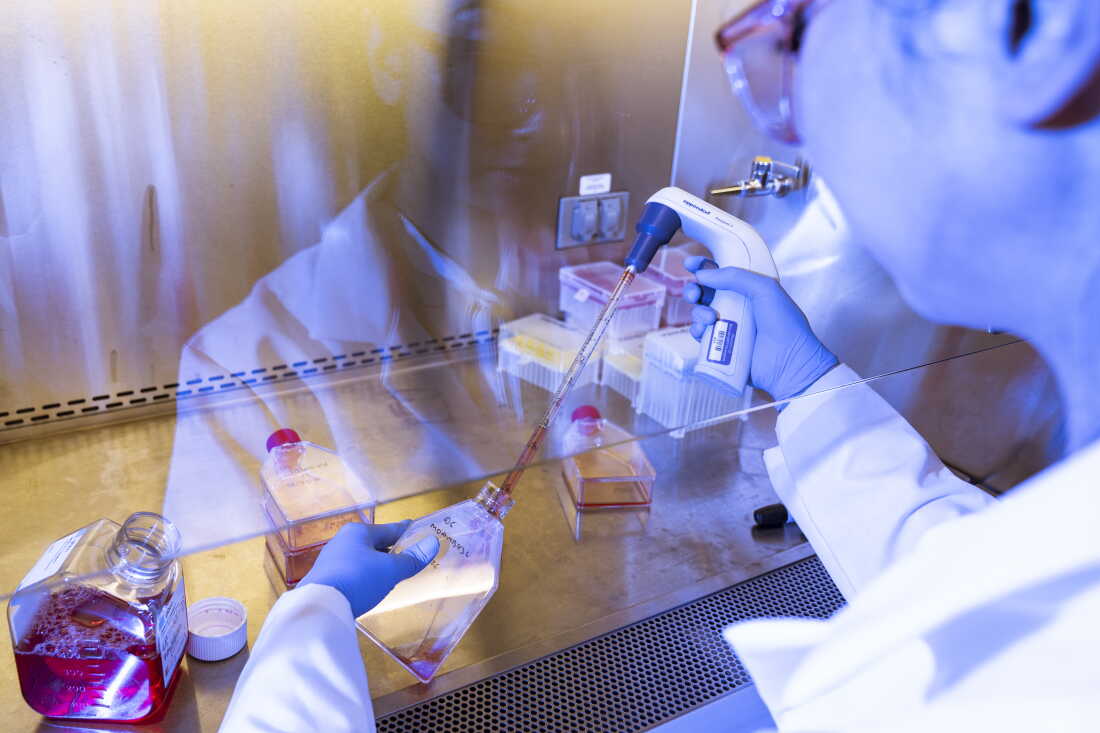
Cathy Tie, founder and CEO of Origin Genomics, is making strides in gene editing. From her New York City laboratory, her startup works on technology to repair faulty genes. Tie believes this technology holds promise in battling inherited diseases, despite its controversial nature.
Wearing a white lab coat, Tie gives an exclusive tour of Origin’s labs but requests the location remain undisclosed for security reasons. A critical piece of equipment is a cryogenic storage unit holding liquid nitrogen, where Origin stores embryos. These embryos, donated by families affected by genetic disorders, serve as a testing ground for gene-editing research aimed at correcting genetic defects.
Experimental Gene Editing Techniques
Origin’s scientists extract stem cells from these embryos to test experimental gene-editing tools. Current U.S. laws prohibit the use of gene-edited embryos to create babies. Tie aims to demonstrate that the potential benefits of her technology outweigh the risks. Diseases like Huntington’s, cystic fibrosis, hereditary cancers, and Tay-Sachs affect many globally. Tie sees gene editing as a pathway to eradicating these ailments from future generations.
Further research focuses on cells with disease-causing mutations. Origin uses artificial intelligence to design gene editors for cells derived from adult skin or blood, as well as cells such as fibroblasts. In one room, Tie shows cells with a breast cancer mutation being treated. The gene editor’s success is evident through changes in cell color.
Challenges and Concerns
Origin is not alone in this field. Other startups like Preventive in San Francisco are also testing the waters, despite complex ethical landscapes. The past controversy involving Chinese scientist He Jiankui, who announced genetically modified babies using CRISPR, complicates matters further. Creating gene-edited babies remains largely considered premature and unsafe.
Recent advancements in techniques like prime editing offer hope for safer gene-editing.
However, critics like Robin Lovell-Badge and Katie Hasson caution against hasty advancements. They worry about unregulated practices leading to a dystopian future of genetically enhanced humans. Researchers like Fyodor Urnov also question the true intentions behind such genetic ventures.
Tie insists that Origin remains focused on producing healthy children, not enhanced ones. She ensures rigorous oversight, emphasizing safety. Her goal is to generate evidence robust enough to alter legislative stances, potentially lifting the U.S. ban on gene-edited embryo research.
Personal Impact Stories
Amid these discussions, NPR visits a couple impacted by genetic disorders. Nicole and Asaf Ezra aspire to have children devoid of a mutation linked to colorectal cancer. Nicole’s family history with a condition known as familial adenomatous polyposis presents significant challenges.
The Ezras’ determination led them to invest in Origin and donate embryos for research. They hope that Origin’s work will enable them, and others, to have healthy offspring.
Nicole reflects on the potential of gene editing to spare future generations from suffering. Both she and Asaf advocate for regulating technology responsibly, viewing it as a new chapter in medical science that, with care, could bring substantial benefits without succumbing to fears of misuse.
Leave a Reply