A Dutch review board has determined that a physician acted “with due care” in the euthanasia of a one-year-old with severe disabilities, igniting international discussion about the right to make end-of-life decisions for non-verbal children.
The toddler passed away in late 2025, and Dutch Health Minister Sophie Hermans informed parliament of the case in June. This represents the first known instance under expanded Dutch euthanasia regulations from 2024. These new rules apply to children enduring unbearable and untreatable suffering. Dutch regulations require a review of all cases involving abortions after 24 weeks and the termination of life for children up to age 12.
A committee consisting of an ethicist, legal expert, and medical specialist evaluates whether the physician adhered to the standard protocol. The committee then shares its findings with the doctor and law enforcement.
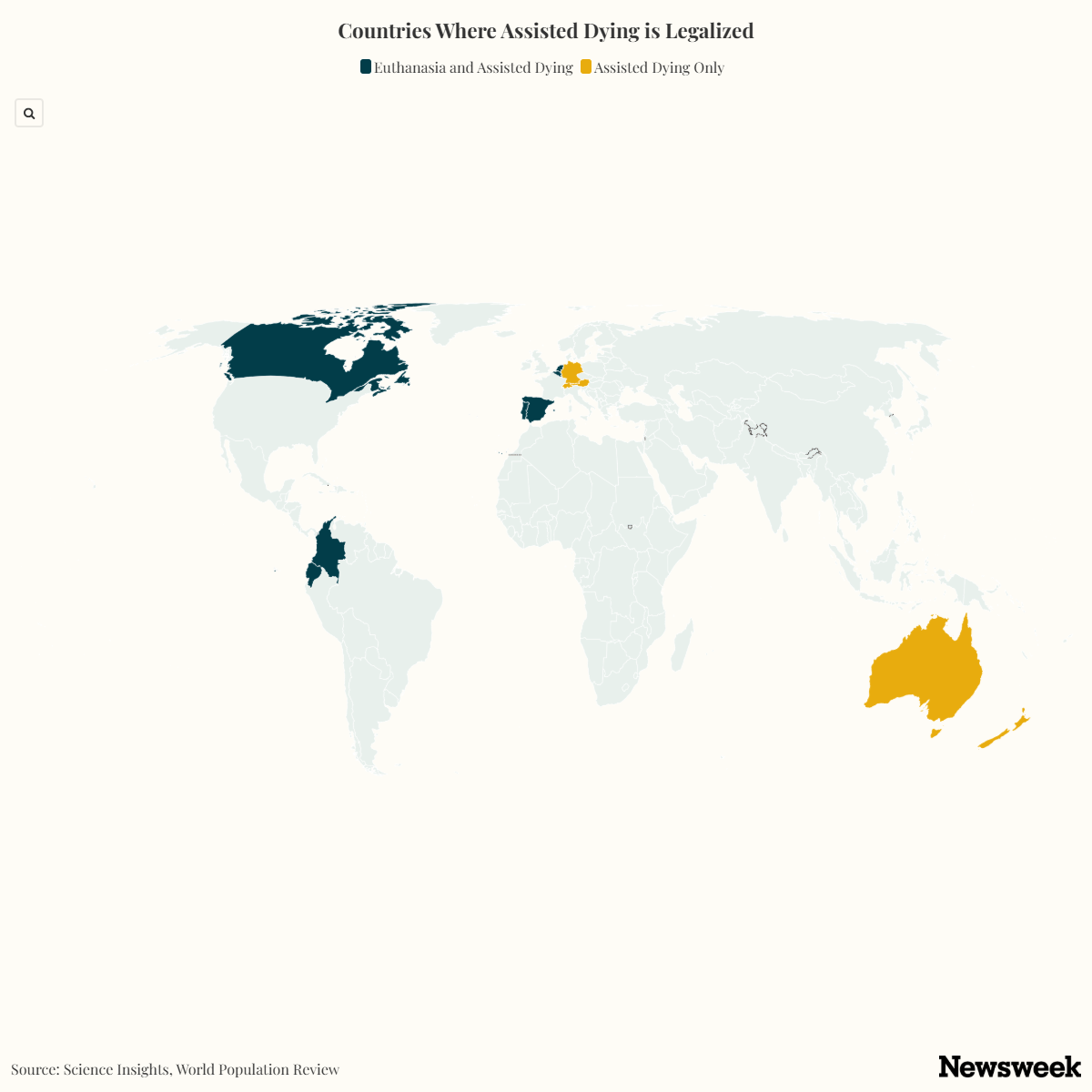
Where Is Euthanasia Legal?
The Netherlands features one of the most comprehensive assisted-dying laws. However, several other nations, including Belgium, Spain, Canada, Colombia, and Ecuador, allow euthanasia or assisted dying under specific conditions.
Details of the Child’s Case
The child’s identity remains confidential, but reports reveal a diagnosis of severe epilepsy, brain damage, visual impairment, and cerebral palsy. The child was born prematurely at 26 weeks and three days.
“Given that the child was incapable of any form of communication, the diagnosis, prognosis, and treatment options were discussed extensively with the parents. As more became evident from medical exams and due to the child’s visible clinical decline, the parents requested that the physician end the child’s life. Extensive discussions took place between the physician and the parents regarding the termination, and their stance was consistent.”
The physician administered midazolam and morphine to sedate the child before using coma-inducing substances, leading to deep sedation and subsequent death, according to the report.
Reasons Behind Dutch Approval
The doctor who treated the child expressed to a Dutch media outlet that he hopes the ruling in favor of his action will offer an option for families in comparable dire situations, as reported by CBS News.
“As a doctor, you are in an extremely vulnerable position, because this has never happened before,” the doctor stated. “It still feels as if a sword of Damocles has been hanging over your head for almost a year.” He referred to permitting the termination of life in such cases as “a kind of emancipation of the child.”
Opposing doctors argued that the child wasn’t continually suffering and that not all medical options had been explored.
A prominent critic of the decision is a former physician now leading the Dutch bishops’ conference. Cardinal Wim Eijk stated to Crux Now, “What is truly merciful is providing adequate care, in this case, in the form of palliative care. If standard forms of palliative care prove insufficient to reduce suffering to a tolerable level, palliative sedation may offer a solution.”
Implications for the US
Euthanasia remains unlawful in the United States, and physician-assisted dying is restricted to certain competent adults in a few states. According to Thaddeus Mason Pope, a law professor at Mitchell Hamline School of Law, the expansion may seem inevitable. “More countries are permitting euthanasia for children,” he mentioned.
“In the U.S., someone may already cause the death of another through the withdrawal of life-sustaining therapy. Thus, allowing someone to direct euthanasia if it aligns with what they believe the patient would want, or is in their best interest, seems logical.” Nevertheless, U.S. standards are unlikely to match those of the Netherlands.
“Almost every jurisdiction worldwide that permits medical aid in dying or euthanasia requires the individual to make this decision themselves. There are no moves in the U.S. to allow Medical Aid in Dying for minors or to empower a healthcare agent, surrogate, guardian, or parent to direct MAID for an incapacitated person or child,” Pope added.
If you or someone you know is considering suicide, reach out to the 988 Suicide and Crisis Lifeline by dialing 988, texting “988” to the Crisis Text Line at 741741, or visiting 988lifeline.org.
Leave a Reply