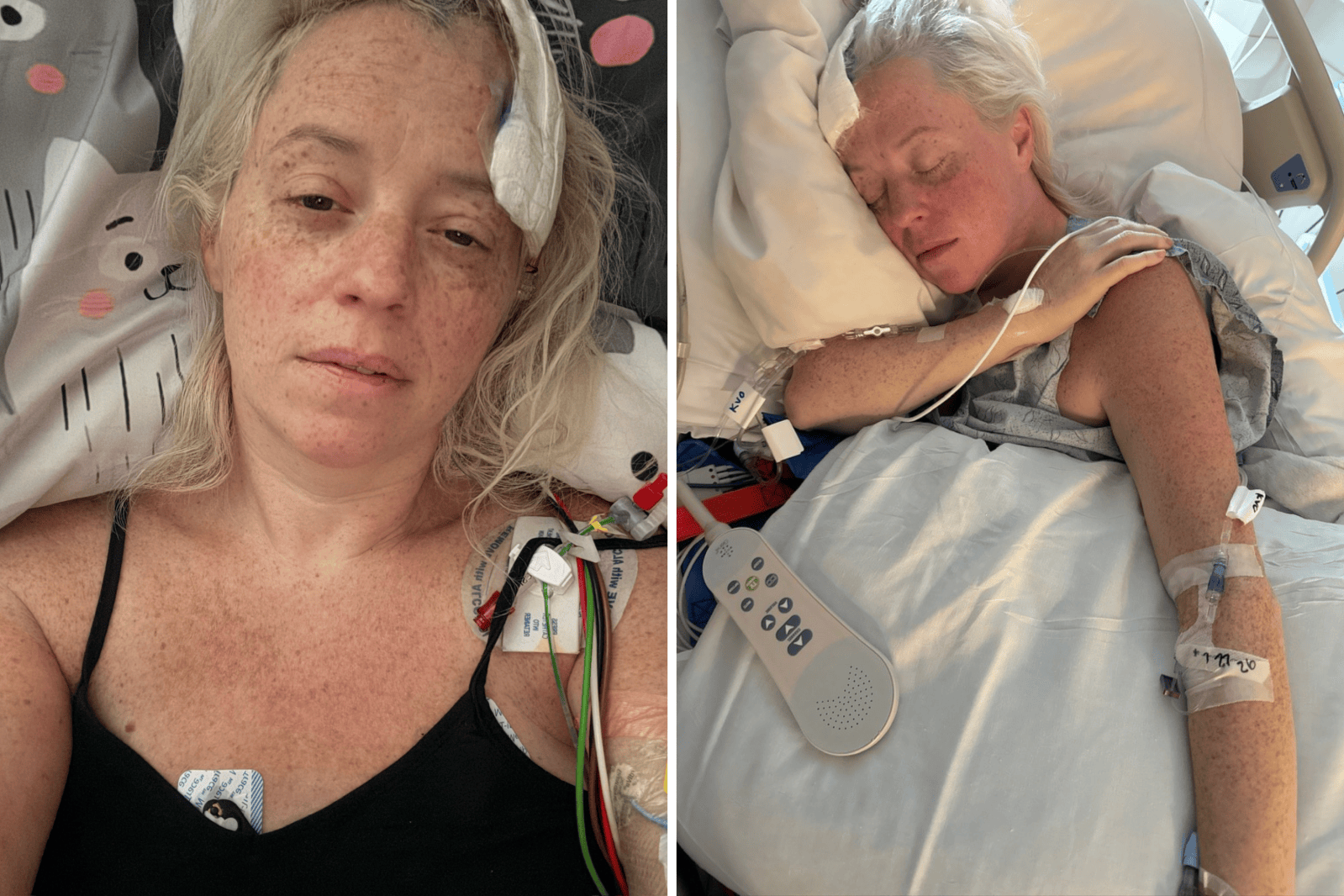
Julie Nashawaty’s day began like any other day. But on her lunch break, she faced a life-changing event. The 46-year-old, a resident of Boston, experienced a severe headache and intense heat. Her condition quickly deteriorated, prompting her husband to call 911. Within 30 minutes, paramedics took her to the emergency room. She spent 25 days in intensive care.
Doctors diagnosed a ruptured brain aneurysm. This is when a blood vessel in the brain weakens and bulges. According to the Brain Aneurysm Foundation (BAF), an estimated 6.8 million people in the U.S. live with an unruptured aneurysm. Around eight per 100,000 people experience a rupture annually.
Nashawaty described her initial feeling as her brain exploding. This sensation made her realize something was seriously wrong. She felt a sudden pounding headache, extreme heat, and a need to lie on the floor, symptoms she had never experienced before.
Symptoms of a Ruptured Brain Aneurysm
A ruptured brain aneurysm is a medical emergency. Symptoms include:
- Sudden, severe headache
- Nausea and vomiting
- Stiff neck
- Blurred or double vision
- Sensitivity to light
- Seizures
- Confusion
- Loss of consciousness
- Weakness or numbness
- Eye symptoms, such as a drooping eyelid or dilated pupil
Causes of a Ruptured Brain Aneurysm
Aneurysms can develop without any prior symptoms. Various factors contribute to their formation. These factors include smoking, high blood pressure, family history, age over 40, certain genetic disorders, drug or alcohol use, infections, and severe head trauma.
Brain Aneurysm Treatments
Nashawaty underwent an endovascular procedure. Doctors inserted a catheter through an artery in her arm or groin. This process placed coils inside the aneurysm or used a stent to redirect blood flow.
Brain Aneurysm Recovery
Following the treatment, Nashawaty dealt with vasospasms. This condition involves narrowing blood vessels in the brain. Doctors administered medication to combat this via a head drain. They also delivered medication through the arteries directly to the affected vessels.
After her 25-day hospital stay, Nashawaty received home care. This included physical and occupational therapy and nursing visits. She faced physical weakness, brain fog, emotional stress, sleep difficulties, and a sense of being overwhelmed.
Three months later, Nashawaty is recovering. She grows stronger every day, although her journey continues. Doctors discovered a second, not yet ruptured aneurysm. Plans include more scans and possibly treating it with a flow diverter, a device directing blood away from the aneurysm.
Contact Newsweek editors Sirena Bergman and Tony Phillips regarding this story.
Leave a Reply