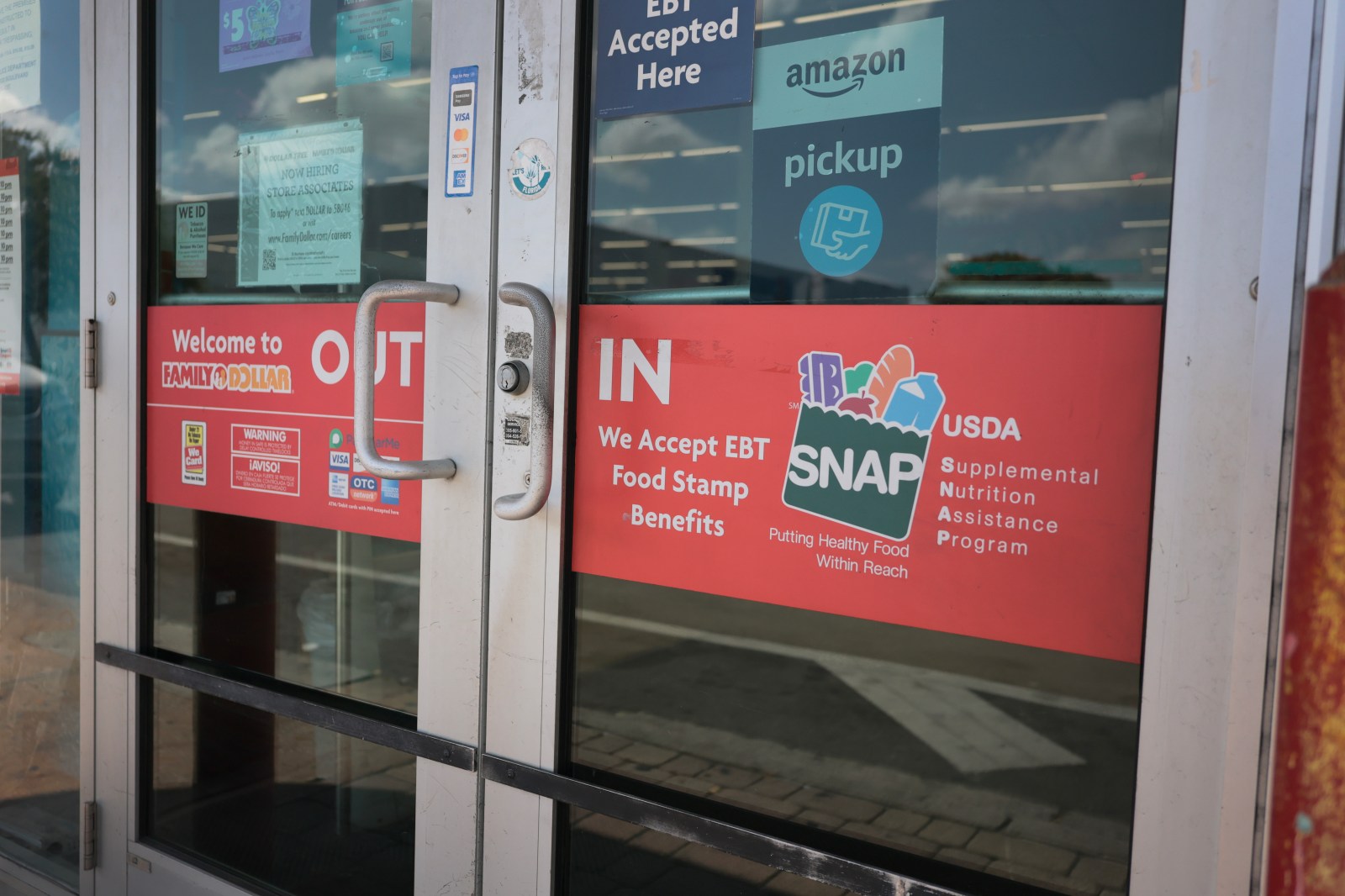
New requirements for the Supplemental Nutrition Assistance Program (SNAP) are leading millions of Americans to lose federal food assistance, further straining the job market. According to the Center on Budget and Policy Priorities, SNAP participation has decreased by over 5 million people, approximately 13 percent, since July of last year. This decline follows the tightening of eligibility standards and expansion of work requirements by Republicans.
Experts warn these changes not only hinder those already struggling to find stable employment and cover basic needs but could also negatively impact businesses. HR consultant Bryan Driscoll noted that the changes from the Trump administration convey a harsh message: ‘get a job or go hungry,’ ignoring the fact that many Americans already work and still cannot afford groceries.
You can’t starve people into economic prosperity. Finding work requires transportation, childcare, internet access and enough stability to actually show up for an interview. Taking away someone’s food assistance doesn’t magically create jobs.
Why It Matters
SNAP is not only an anti-hunger program but also a support mechanism for workers. For those unemployed, SNAP helps with grocery expenses while they job hunt. For low-income workers, it supplements wages insufficient to cover rising housing costs. Businesses in industries already facing labor shortages might encounter further challenges if employees lose the ability to afford transportation and childcare due to lost benefits.
What to Know
After the One Big Beautiful Bill Act (OBBBA), signed by President Donald Trump, SNAP expanded work requirements for some adults and shifted more administrative costs to states. As a result, about 5 million Americans have lost SNAP benefits, including over 1 million children. While these measures aim to push more individuals into the workforce, the loss of benefits may not translate into increased employment.
Lee Bowes, CEO of America Works, expressed concern, stating that the transition from a 50 to 75 percent state contribution has caught states unprepared, exacerbating problems.
The Center on Budget and Policy Priorities reports that unemployment rates have remained stable since OBBBA’s enactment, indicating the decreased SNAP enrollment is not driven by improved labor market conditions. Changes in cost-sharing with states have exacerbated local financial stress, and the private sector has faced negative impacts without adequate consideration in decision-making.
A White House spokesperson defended the measures, stating they strengthen SNAP by making it sustainable and addressing waste and fraud.
How Losing Food Assistance Could Affect Job Seekers
Job seekers often encounter costs before they ever receive a paycheck: transportation to interviews, internet for job searches, and professional attire. For families, childcare is another significant expense. Without SNAP to offset food costs, managing these expenses grows increasingly challenging. Driscoll pointed out that many SNAP recipients work in an economy that normalizes low wages yet demands high productivity.
The reduced availability of income for job searches or training programs could hurt businesses too. SNAP dollars typically flow into local businesses and economies, reducing consumer demand when cut and impacting hiring decisions. Food insecurity may also reduce job prospects due to stress, poor health, and productivity issues.
Childcare Challenge
Loss of food assistance could further strain family budgets, making childcare unaffordable. This issue creates a cycle where parents struggle to accept jobs because they can’t secure childcare while also failing to meet work requirements to retain SNAP benefits.
According to finance expert Michael Ryan, without SNAP, job seekers face intensified difficulties affording basic costs, and lower-income communities may experience reduced spending in grocery stores.
What It Could Mean for Businesses
Businesses depend on a stable workforce, and losing SNAP benefits increases financial stress, potentially causing employee turnover and absenteeism. Employers may also face pressure to raise wages as people become reluctant to accept low-wage positions.
Kevin Thompson, CEO of 9i Capital Group, noted the loss may increase labor supply but result in high-turnover positions, particularly affecting retail, hospitality, and food service industries.
While work requirements aim to boost workforce participation, some businesses might benefit from a larger labor pool. Low-skilled and low-wage sectors may see growth, yet the overall economic effect remains uncertain.
What Happens Next
Further SNAP changes are anticipated in the coming months, with states potentially taking on more costs when exceeding error-rate thresholds. Driscoll highlighted the problematic approach: reducing food assistance complicates employment sustainability, impacting the workforce’s strength.
Leave a Reply